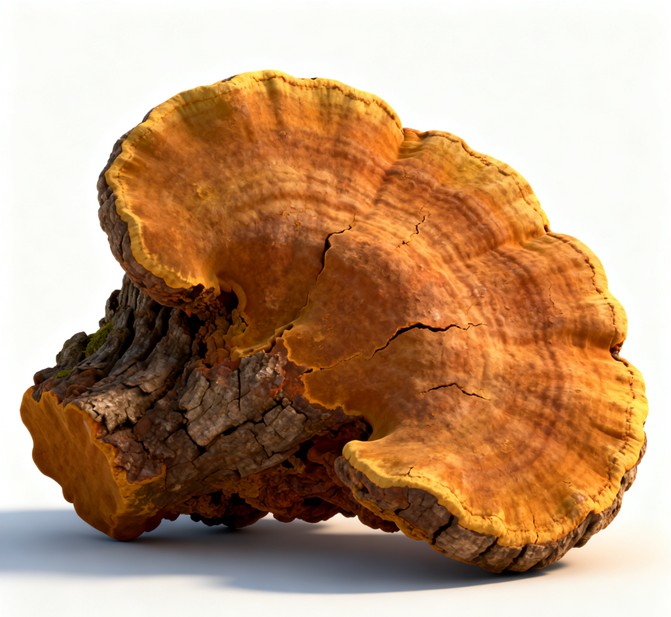
Phellinus linteus-derived Exosome Research & Application
Overview Advantages Research Potentiality Services Products FAQs
Overview: The Rationale for Investigating Phellinus Linteus Exosomes
The pursuit of next-generation nanotherapeutics is increasingly turning towards naturally derived, highly biocompatible delivery systems. Among these, the exosomes secreted by medicinal organisms, represent a compelling frontier.
Phellinus linteus, a fungus revered in Asian pharmacopeias for its multifaceted medicinal profile—encompassing heat-clearing, detoxification, and immunomodulation—presents an ideal source. Its rich content of polysaccharides, polyphenols, and unique terpenes underpins a wide range of confirmed pharmacological actions, including anti-tumor, anti-inflammatory, and potent antioxidant activities.
However, the translation of these macromolecules is often hampered by several issues, including:
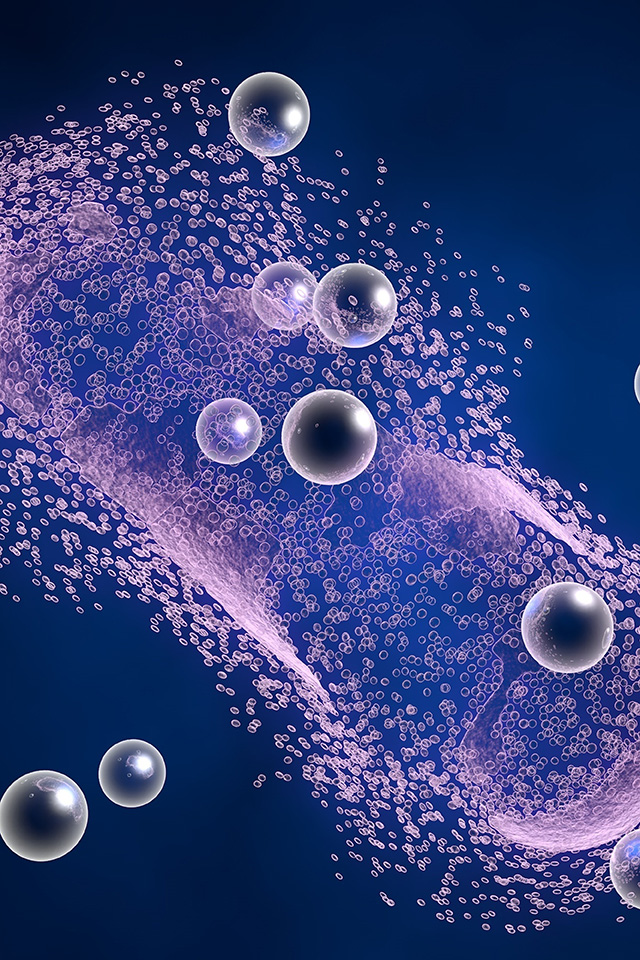
This bottleneck is precisely why the investigation into Phellinus linteus-derived Exosomes is gaining global scholarly attention. These naturally secreted nanovesicles, typically sized between 100-260 nm, function as the native communication system, designed to encapsulate and protect their active cargo. Phellinus linteus-derived exosomes offer the potential to deliver the complex, potent pharmacological components of Phellinus linteus with unprecedented precision and efficiency, thereby transcending the limitations of traditional bulk extracts.
Explore the Next Frontier of Natural Nanomedicine. Request a Consultation Today.
Superiority from Nature
The distinct advantages of Phellinus linteus-derived exosomes over synthetic liposomes or mammalian exosomes stem from their unique origin and structural integrity.
Exceptional Stability
Phellinus linteus-derived exosomes feature a robust double-layer shell, granting remarkable stability even in the harsh acidic and enzymatic conditions of the GI tract—an essential property for oral delivery.
Inherent Bioactivity
Enriched with native lipids, proteins, and microRNAs, these exosomes actively modulate human gene expression via cross-kingdom regulation, providing built-in therapeutic potential beyond mere drug delivery.
Scalability and Safety
Derived from a recognized medicinal fungus, they are naturally biocompatible, non-immunogenic, and suitable for large-scale, cost-effective production—an ethical and sustainable alternative to mammalian exosomes.
Unlock the Therapeutic Power of Phellinus linteus Exosomes — Let's Collaborate.
Research Highlights: Elucidating Core Mechanisms
Recent high-impact publications have definitively moved Phellinus linteus-derived exosome research from hypothesis to mechanistic validation, focusing on two critical areas: dermatology and oncology.
Dermatological Anti-Aging Potential
Research has shown exosome from Phellinus linteus exhibit significant efficacy against photoaging. The mechanistic breakthrough lies in the identification of a specific cargo molecule:
-
Key Mechanism: The miRNA, miR-CM1, is transported by the exosomes and subsequently internalized by human skin cells (e.g., keratinocytes). Through cross-species regulatory action, miR-CM1 specifically targets and suppresses the expression of the human gene Mical2.
-
Functional Outcome: This suppression leads to a beneficial molecular shift: promoting the synthesis of COL1A2 (a marker for collagen production) while simultaneously inhibiting the expression of MMP1 (a matrix metalloproteinase that degrades collagen). This potent regulation, coupled with the reduction of Reactive Oxygen Species (ROS) and cellular senescence markers (SA-β-Gal), was confirmed in vivo to reduce skin thickness and enhance dermal collagen content in UV-induced aging mouse models.
Oral Nanomedicine for Metastatic Hepatocellular Carcinoma
A separate groundbreaking study validated Phellinus linteus-derived exosomes as an oral therapeutic platform against metastatic liver cancer (HCC).
-
Bioavailability and Targeting: Oral administration of Phellinus linteus-derived exosomes was successful, demonstrating stable transit through the GI tract and effective accumulation within liver tumor tissue.
-
Anti-Tumor Strategy: The therapeutic effect was achieved through a multi-pronged mechanism: the vesicles induced robust generation of ROS specifically within the liver tumor cells, leading to substantial anti-proliferative, anti-migratory, and pro-apoptotic effects. Crucially, the oral treatment also successfully rebalanced the gut microbiota, highlighting the Phellinus linteus-derived exosomes' capacity to modulate the critical gut-liver axis—a central factor in HCC progression.
Transform Your Research with Nature-Derived Nanocarriers. Get in Touch.
A Potential Versatile Therapeutic Platform
The foundational evidence positions Phellinus linteus-derived exosomes as a highly versatile platform poised to disrupt several key sectors:
Precision Skincare & Cosmeceuticals
Phellinus linteus-derived exosomes may deliver specific nucleic acids to trigger beneficial gene expression changes in human skin cells, moving beyond traditional topical extracts.
Oral Oncology and Gastroenterology
The successful oral delivery and efficacy against metastatic HCC establish Phellinus linteus-derived exosomes as a frontrunner for non-invasive, targeted therapies for GI and liver cancers. Their natural affinity and stability open avenues for treating inflammatory bowel diseases or gut dysbiosis-related conditions.
Engineered Drug Delivery Systems
The empty or pre-loaded Phellinus linteus-derived exosome structure is an optimal starting point for cargo loading. They can be custom-engineered to carry small molecule drugs, specific therapeutic siRNAs, or even imaging agents, offering a biocompatible alternative to synthetic nanoparticles for enhanced payload protection and targeted release.
Hepatoprotection and Immune Modulation
Leveraging the historical use of Phellinus linteus, Phellinus linteus-derived exosomes' demonstrated anti-inflammatory and hepatoprotective actions make them strong candidates for chronic liver disease management (e.g., hepatitis B, cirrhosis) and for use as potent, low-risk immune system adjuvants.
Ready to Pioneer Exosome Applications? Connect with Our Experts.
Creative Biolabs' Integrated R&D Platform
The complexity of isolating, characterizing, and functionally validating plant-derived exosomes necessitates a partner with unparalleled expertise. At Creative Biolabs, we provide a comprehensive, one-stop solution for unlocking the full potential of Phellinus linteus-derived exosomes.
Our service portfolio is engineered for high-impact results, ensuring your research meets the stringent criteria for publication and regulatory submission:
Advanced Isolation and Purification
Rigorous Characterization and Quality Control
Exosome Engineering and Functionalization
Molecular and Functional Profiling
Validation
We deploy proprietary, optimized protocols—including advanced differential and gradient ultracentrifugation—to ensure the isolation of highly pure and scalable batches of Phellinus linteus-derived exosomes, minimizing contamination and maximizing yield.
We guarantee accurate data through gold-standard analyses, including Nanoparticle Tracking Analysis (NTA) for size and concentration, and Transmission Electron Microscopy (TEM) for morphological verification.
Exosome Engineering and Functionalization
To enhance efficacy, we offer specialized services such as efficient Exosome Loading Services (for customized drug/nucleic acid packaging) and Exosome Labeling Services (for in vivo biodistribution tracking).
Molecular and Functional Profiling
Our deep omics services—including Exosomal RNA Sequencing, Proteomic, Lipidomic, and Metabolomic detection—allow for comprehensive mapping of the active cargo, essential for fully understanding the molecular mechanism, such as the miR-CM1 cross-kingdom effect.
Validation
We offer robust in vitro and in vivo functional studies, including the construction of sophisticated disease models (e.g., skin disease models, metastatic tumor models) to definitively prove therapeutic efficacy and safety.
Discover How Our Expertise Can Accelerate Your Discovery. Contact Us.
High-Quality Phellinus Linteus-derived exosomes for Research and Industry
For immediate integration into product development or foundational scientific studies, Creative Biolabs offers Custom-made, high-quality Phellinus linteus-derived exosome products.
Cosmetical Grade Phellinus linteus-derived exosomes
Highly purified, concentrated vesicles suitable for formulating advanced skincare products, leveraging the proven anti-photoaging properties for superior biological activity compared to crude extracts.
Research Grade Phellinus linteus-derived exosomes
Sterile, meticulously characterized batches ready for complex in vitro assays, mechanistic studies, and animal trials.
Best-Selling Skincare Exosome Products
FAQs
Q: What standard techniques does Creative Biolabs use to isolate the Phellinus linteus-derived exosomes?
A: Our primary and gold-standard method for high-purity isolation of Phellinus linteus-derived exosomes is differential and density gradient ultracentrifugation. This sequential centrifugation process effectively separates the nanovesicles from larger debris and soluble contaminants.
Q: What characterization analyses are essential to confirm that the isolated particles are indeed Phellinus linteus-derived exosomes?
A: Comprehensive characterization is crucial for scientific rigor. We perform three essential analyses:
-
Morphology: Transmission Electron Microscopy (TEM) to visually confirm the characteristic spherical structure and the unique "double-layer shell" membrane.
-
Size and Concentration: Nanoparticle Tracking Analysis (NTA) to determine the size distribution (typically 100-260 nm) and the particle concentration.
-
Purity: Analysis of the protein-to-particle ratio, ensuring high purity for downstream applications.
Q: Besides isolation, what downstream molecular profiling and analysis services can Creative Biolabs provide for Phellinus linteus-derived exosomes?
A: We offer in-depth molecular profiling to reveal the active cargo:
-
Exosomal RNA Sequencing: To identify and quantify all RNA species, especially the key miRNAs responsible for cross-kingdom regulation.
-
Exosomal Proteomics: To map the protein content, including enzymes and structural proteins.
-
Exosomal Lipidomics and Metabolomics: To comprehensively analyze the unique lipid and small-molecule metabolites carried by the nanovesicles.
Q: Does Creative Biolabs offer services to validate the biological function and therapeutic efficacy of Phellinus linteus-derived exosomes?
A: Absolutely. We provide a full suite of functional research services:
-
In Vitro Functional Assays: Including cellular uptake studies, cell viability and apoptosis assays, ROS detection, and specialized models (e.g., exosome-induced senescence assays) to confirm anti-aging or anti-tumor activity.
-
In Vivo Functional Services: We can design and execute studies using relevant animal models, such as UV-induced skin aging or metastatic cancer models (e.g., HCC), allowing for definitive proof of therapeutic efficacy, biodistribution tracking, and safety assessment.
Join Us in Shaping the Future of Cross-Kingdom Nanomedicine. Contact Us Now.
For Research Use Only. Cannot be used by patients.
Related Services: