Creative Biolabs is offering the most comprehensive services for antibody development projects. With strict regulation and effective execution, we are dedicated to providing the most valuable solutions to complete your projects.
HighlightsCreative Biolabs is offering the most comprehensive services for antibody development projects. With strict regulation and effective execution, we are dedicated to providing the most valuable solutions to complete your projects.
HighlightsCreative Biolabs has established a broad range of platforms for developing novel antibodies or equivalents. These cutting-edge technologies enable our scientists to meet your demands from different aspects and tailor the most appropriate solution that contributes to the success of your projects.
HighlightsWith deep understanding in antibody-related realms and extensive project experience, Creative Biolabs offers a variety of references to help you learn more about our capacities and achievements, including infographic, flyer, case study, peer-reviewed publications, and all kinds of knowledge that can assist your projects. You are also welcome to contact us directly for more specific solutions.
HighlightsGet a real taste of Creative Biolabs, one of the most professional custom service providers in the world. We are committed to providing highly customized comprehensive solutions with the best quality to advance your projects.
Highlights| Protein Name | Cholinergic receptor muscarinic 2 |
| Gene Name | CHRM2 |
| Uniprot | P08172 (Human); Q9ERZ4 (Mouse) |
| Synonym | HM2; muscarinic acetylcholine receptor M2; 7TM receptor; acetylcholine receptor, muscarinic 2; muscarinic M2 receptor |
| Background | CHRM2, encoded by CHRM2 gene, is a member of G protein-coupled receptors family which has seven distinctive transmembrane domains. It is one of the five subtypes of muscarinic receptors (CHRM1-5), selectively expressed in various human tissues, including heart, gallbladder, and 3 other tissues. Research have found that muscarinic receptors are the potential therapeutic targets for a variety of pathological conditions, especially in neurodegenerative disorders. |
Creative Biolabs offers comprehensive range of membrane protein products empowers your unique research needs.
| CAT# | Product Name | Expression System | Protein Length | Solubilizing Agents |
| S01YF-1023-KX384 | NativeExtract™ Human CHRM2 Membrane Protein (Full length, Super Nanodisc) | HEK293 cells | Full length | Native Nanodisc |
| MPX3595K | MemDX™ Membrane Protein Human CHRM2 Expressed in vitro E.coli expression system, Full Length | E.coli cell-free | Full length | Detergent |
| MP0218X | MemDX™ Membrane Protein Human CHRM2 (Cholinergic receptor muscarinic 2) for Antibody Discovery | Wheat germ cell-free | Full length | Liposome |
| Please for more products or customization | ||||
L**y: The quality of their work is consistently high, and their ability to deliver results on time has been a huge asset to our team.
14/Aug/2023
B*b: They are always prompt in their responses and proactive in addressing any issues that arise.
02/Jun/2024
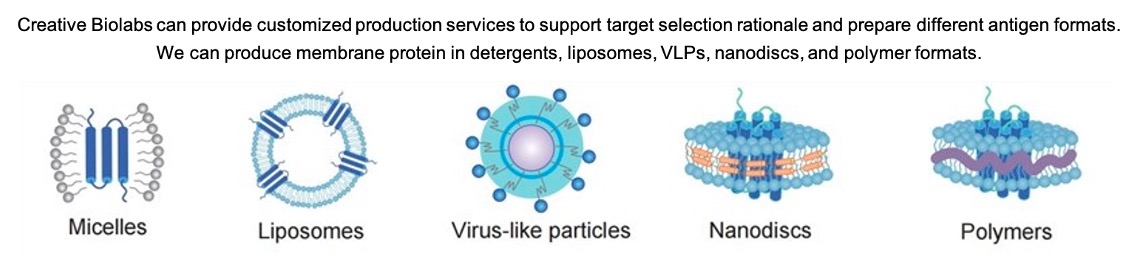
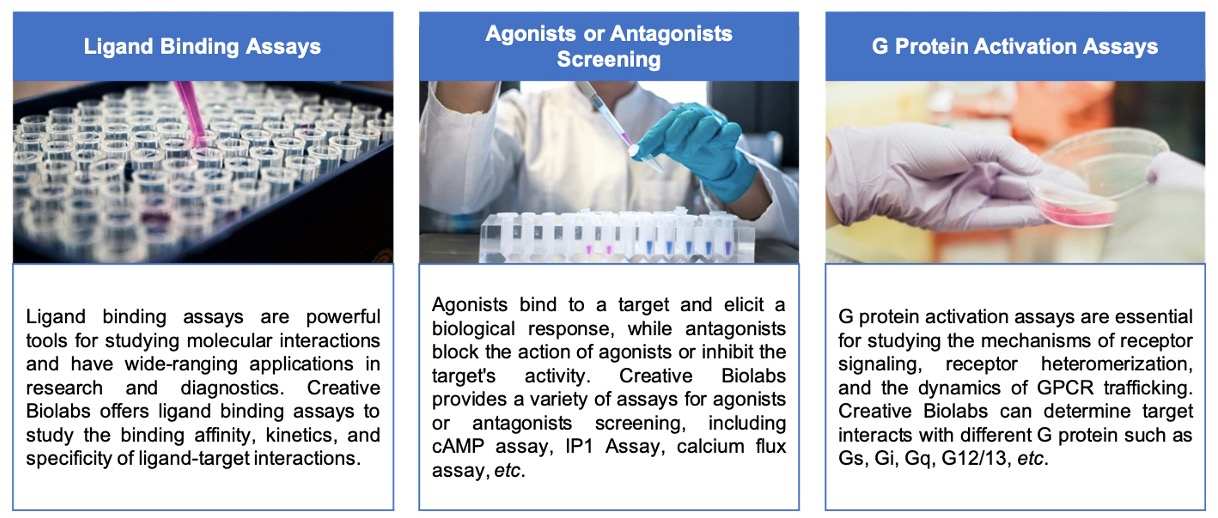
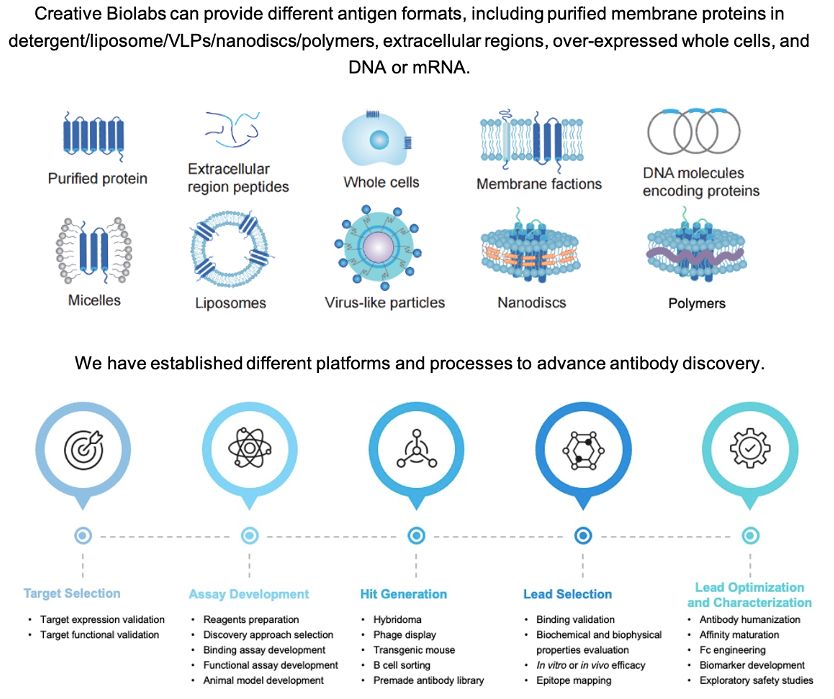
We provide tailored solutions to meet your specific requirements. Please for more services.
Lentivirus Vectors
Creative Biolabs offers lentivirus vectors development services. Illustrating their promise, preclinical investigations have successfully utilized lentiviral vectors for the delivery of CHM complementary DNA (cDNA) constructs within murine models, offering foundational proof-of-concept. Notwithstanding these encouraging preliminary findings, substantial further research is perhaps imperative. Such continued investigation is essential to comprehensively optimize their safety margins and to enhance their therapeutic efficacy. This is particularly critical when considering their development for sophisticated gene therapy modalities targeting, for instance, the CHRM2 gene, where precise and predictable outcomes are paramount.
Epigenome Editing
Creative Biolabs offers epigenome editing services. This innovative approach holds considerable promise for future applications. It speculatively offers a prospective avenue for achieving not only durable, long-term alterations in gene expression but also, quite remarkably, a mode of regulation that is, in principle, reversible. Such refined control over CHRM2 function could perhaps unlock novel therapeutic strategies or provide powerful tools for dissecting its complex roles in cellular and organismal physiology.
Synthetic Gene Circuits
Creative Biolabs offers synthetic gene circuits services. The systems under discussion represent rationally designed biological constructs, distinguished by their inherent capacity for the dynamic regulation of gene expression. A pivotal characteristic of these engineered entities is that their modulatory activity is intricately responsive to, and often strictly contingent upon, specific intracellular signaling cascades or clearly delineated environmental cues. Consequently, the meticulous engineering of bespoke synthetic gene circuits—sophisticated networks purposefully architected to govern the transcriptional output of a designated target, such as the CHRM2 gene—emerges as a particularly compelling strategy within this advanced technological domain.
Creative Biolabs offers comprehensive and innovative services to drive the development of CHRM2 cell therapy. Please for more services.
Immune Modulation
Creative Biolabs offers immune modulation development services. Emerging evidence has established a noteworthy correlation between the expression levels of the CHRM2 and the character of immune cell infiltration observed within diverse tumor microenvironments. This empirical association carries potentially significant implications for the development of novel oncological interventions. Consequently, it is plausible to propose that various immunomodulatory cellular therapeutic strategies now merit rigorous and systematic investigation. Such approaches, which might, for example, encompass the adoptive transfer or functional enhancement of specific effector immune cell populations could perhaps be strategically explored. The principal scientific objective underpinning these lines of inquiry would be the potentiation of the host's endogenous anti-neoplastic immune responses, thereby aiming to achieve more robust and sustained anti-tumor efficacy.
All listed services and products are For Research Use Only. Do Not use in any diagnostic or therapeutic applications.