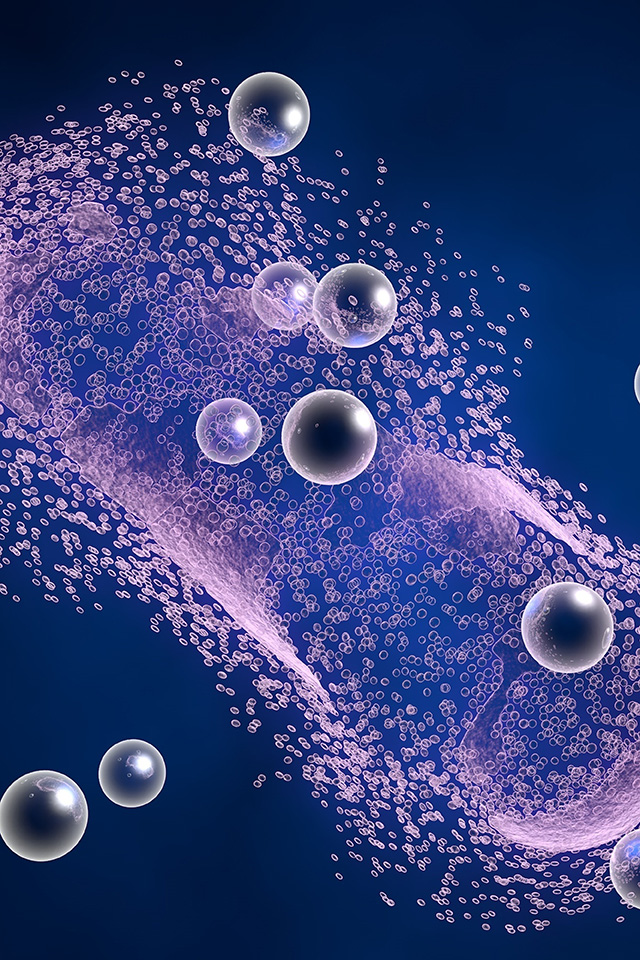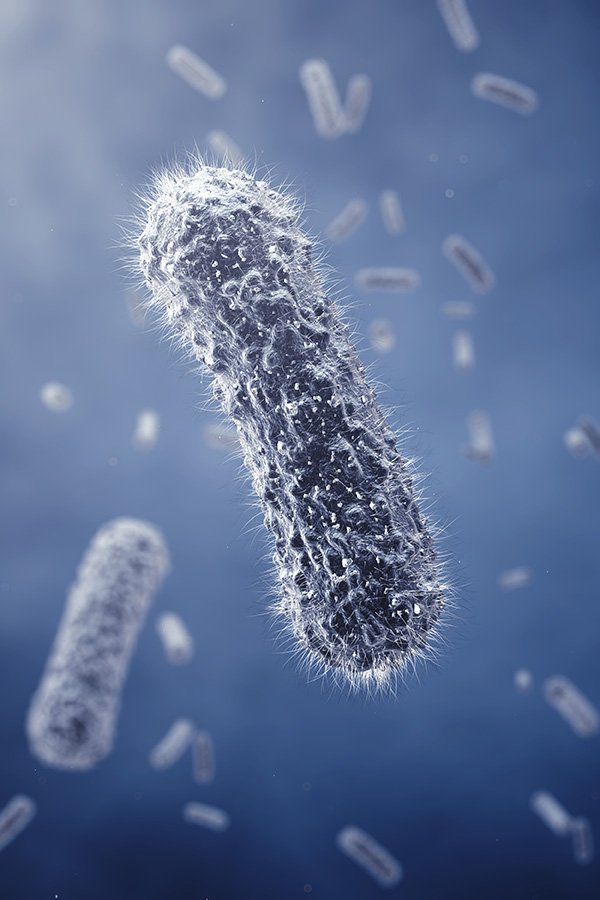

For decades, the thick, multilayered peptidoglycan cell wall of Gram-positive bacteria (GPB) were perceived as an impenetrable barrier to the release of membrane bound vesicles. However, contemporary research utilizing high resolution electron microscopy and advanced proteomics has dismantled this misconception. It is now established that GPB actively shed lipid bilayer exosomes into their environment as a strategic means of survival, competition, and host interaction.
The impetus for investigating these vesicles lies in their unique capacity to encapsulate a diverse array of parental cargo, including nucleic acids, functional proteins, and metabolic enzymes. These exosomes serve as concentrated "molecular messages" that remain stable in harsh extracellular environments, protected from enzymatic degradation. By studying these vesicles, researchers can gain unprecedented insights into how pathogens orchestrate infections and how commensal probiotics maintain human health. From the perspective of biotherapeutics, they represent a naturally optimized delivery system that has evolved over millennia to navigate complex biological landscapes.
Learn How Our Exosome Solutions Can Support Your Research. Contact Us Today.
GPB derived exosomes offer a distinct set of biochemical advantages that differentiate them from their Gram negative counterparts. The most critical distinction is the absence of Lipopolysaccharide (LPS), the potent endotoxin found in Gram negative bacteria that frequently triggers systemic inflammatory responses or septic shock in human subjects. This intrinsic lack of LPS enhances the safety profile and biocompatibility of GPB vesicles, making them superior candidates for translation and vaccine development.
 LPS free composition
Eliminates endotoxin associated inflammatory risks and enhances translational safety.
High structural robustness
Exosomes derived from Gram-positive bacteria demonstrate strong resistance to thermal and chemical stress.
Intrinsic targeting features
Native surface ligands and adhesion molecules enable selective interaction with host cells.
Barrier crossing potential
Demonstrated capacity to traverse complex biological barriers, including the intestinal mucosa and the blood–brain barrier.
Partner with Us for Gram-Positive Bacteria Exosome Research. Request a Quote.
The functional diversity of GPB exosomes is as vast as the microbial kingdom itself. The biological impact of a vesicle is tied to its parental origin, leading to a wide spectrum of research trajectories ranging from oncology to infectious disease immunology.

Creative Biolabs supports specialized research across a library of species specific exosomes. We invite researchers to study the unique potential of the following systems:
In the realm of probiotic research, vesicles from Lactobacillus and Bifidobacterium species are being investigated for their anti inflammatory properties and their ability to modulate the gut brain axis. Conversely, studying exosomes from pathogens like Staphylococcus aureus or Streptococcus pneumoniae is vital for understanding virulence factor dissemination and for the creation of cell free, biomimetic vaccines that can elicit potent immune responses without the risks associated with live pathogens.
See How We Can Support Your Project. Request a Consultation.
Navigating the complexities of microbial exosome isolation requires more than just standard laboratory equipment; it demands a deep understanding of bacterial physiology and vesicle biogenesis. Creative Biolabs provides a service pipeline designed to take your project from initial culture to grade characterization.

We provide standardized and highly controlled isolation workflows for exosomes derived from GPB. Our procedures integrate gentle culture handling with advanced purification strategies. Each preparation undergoes rigorous identification and validation, including size distribution analysis and high resolution morphological characterization, to confirm the presence of intact vesicular structures and ensure the authenticity of GPB exosomes.
To comprehensively elucidate the molecular composition of GPB exosomes, we offer multi dimensional profiling services covering proteomics, RNA analysis, lipidomics and metabolomics. Using state of the art mass spectrometry and sequencing platforms, we systematically characterize exosomal cargo to reveal signaling molecules, virulence associated factors, and metabolic components. This in depth molecular profiling enables researchers to better understand exosome mediated communication, host interaction mechanisms, and functional heterogeneity across bacterial species and growth conditions.
We support a broad range of in vitro functional assays to investigate the biological activities of GPB exosomes. These studies include assessments of cellular uptake, immune modulation, inflammatory signaling, barrier function, and host cell responses.
To translate in vitro findings into physiological relevance, we offer in vivo functional discovery services using appropriate animal models. These studies evaluate biodistribution, tissue targeting, immune responses, and therapeutic or pathogenic effects of GPB exosomes. Our in vivo platforms provide critical insights into systemic behavior, safety profiles, and application potential.
Customized Solutions for Gram-Positive Exosome Research. Start Your Inquiry.
To accelerate the pace of scientific discovery, Creative Biolabs offers a range of customizable GPB derived exosome products. We recognize that every research objective is unique, which is why we provide tailor made production services to meet specific experimental needs. Our clients can request exosomes derived from specific strains. Product undergoes rigorous quality control, providing researchers with a reliable foundation for their in vitro and in vivo studies. By providing ready to use, high purity exosome preparations, we enable our clients to focus on downstream functional assays and therapeutic validation, reducing the time and resources required for early stage development.
If your bacterial culture medium poses potential pathogenic risks, or if you prefer to perform exosome isolation independently within your own laboratory, we recommend using our bacteria derived exosome isolation kits. These kits are designed to enable efficient and reproducible extraction of bacterial exosomes while minimizing biosafety concerns associated with handling live or pathogenic microorganisms.
Bring Your Gram-Positive Exosome Ideas to Life. Ask for a Quote.
A: GPB have evolved active mechanisms to facilitate vesicle release despite the presence of a thick peptidoglycan cell wall. Specifically, these organisms utilize specialized endolysins and autolysins to locally remodel and transiently loosen the peptidoglycan network. This controlled and spatially restricted degradation creates temporary pores within the cell wall. When combined with internal turgor pressure and localized membrane curvature, the cytoplasmic membrane can protrude outward, forming vesicular buds that pass through the remodeled peptidoglycan mesh and are released into the extracellular environment. Importantly, this process is tightly regulated and distinct from uncontrolled cell lysis, supporting the concept that vesicle secretion in GPB is an active and biologically meaningful phenomenon.
A: GPB exosomes possess several intrinsic properties that make them highly attractive as drug delivery platforms. Their lipid bilayer structure naturally protects encapsulated cargo from enzymatic degradation, pH fluctuations, and other environmental stresses. In addition, their nanoscale size and biological origin enable efficient cellular uptake and favorable biodistribution profiles. At Creative Biolabs, we support the development of GPB exosome based delivery systems by assisting in the loading of small molecule drugs, small interfering RNA, or therapeutic proteins using optimized passive or active loading strategies. These engineered vesicles can enhance targeted delivery, improve cargo stability, and increase therapeutic efficacy across a range of research and translational applications.
A: Ensuring high purity is essential for reliable functional studies and downstream applications. At Creative Biolabs, we employ a multi step purification and characterization workflow specifically optimized for bacterial exosomes. Initial isolation relies on physical separation techniques such as differential and ultracentrifugation to enrich vesicular fractions. This is followed by size based inspection and detailed morphological assessment, including high resolution imaging, to confirm vesicle integrity and uniformity. Through this integrated approach, we eliminate common bacterial contaminants such as flagella, pili, protein aggregates, and membrane debris. As a result, the final preparations consist of well defined bacterial exosomes suitable for mechanistic studies, bioengineering, and therapeutic research.
Scientific Precision for Gram-Positive Bacteria Exosome Studies. Contact Our Team.