Creative Biolabs is offering the most comprehensive services for antibody development projects. With strict regulation and effective execution, we are dedicated to providing the most valuable solutions to complete your projects.
HighlightsCreative Biolabs is offering the most comprehensive services for antibody development projects. With strict regulation and effective execution, we are dedicated to providing the most valuable solutions to complete your projects.
HighlightsCreative Biolabs has established a broad range of platforms for developing novel antibodies or equivalents. These cutting-edge technologies enable our scientists to meet your demands from different aspects and tailor the most appropriate solution that contributes to the success of your projects.
HighlightsWith deep understanding in antibody-related realms and extensive project experience, Creative Biolabs offers a variety of references to help you learn more about our capacities and achievements, including infographic, flyer, case study, peer-reviewed publications, and all kinds of knowledge that can assist your projects. You are also welcome to contact us directly for more specific solutions.
HighlightsGet a real taste of Creative Biolabs, one of the most professional custom service providers in the world. We are committed to providing highly customized comprehensive solutions with the best quality to advance your projects.
Highlights| Protein Name | Coagulation factor II thrombin receptor |
| Gene Name | F2R |
| Uniprot | P25116 (Human); P30558 (Mouse) |
| Synonym | TR; HTR; CF2R; PAR1; PAR-1; proteinase-activated receptor 1 |
| Background | F2R also referred as proteinase-activated receptor 1 (PAR1), which is encoded by the F2R gene, is a 7-transmembrane receptor in human belonging to the G-protein coupled receptor families involved in the regulation of thrombotic response. F2R is ubiquitously expressed covering from spleen, gallbladder to the 21 other tissues. Proteolytic cleavage makes a contribution to the activation of the receptor. With multifaceted effects, F2R is associated with the pathogenesis of inflammatory and fibrotic lung diseases and is crucial in mediating the interplay between coagulation and inflammation. |
Creative Biolabs offers comprehensive range of membrane protein products empowers your unique research needs.
| CAT# | Product Name | Expression System | Protein Length | Solubilizing Agents |
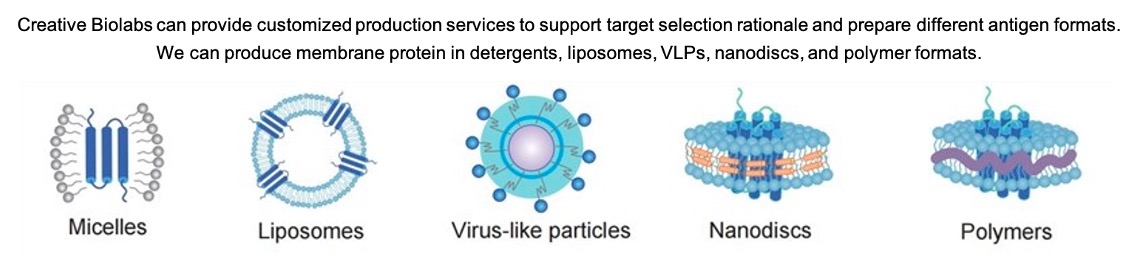
| S01YF-1023-KX72 | NativeExtract™ Human F2R Membrane Protein (Full length, Super Nanodisc) | HEK293 cells | Full length | Native Nanodisc |
| S01YF-0723-KX160 | MemDX™ Recombinant Human F2R Membrane Protein in Virus-Like Particles (MP-VLPs) | HEK293 cells | Full length | VLPs |
| MPX3511K | MemDX™ Membrane Protein Human F2R Expressed in vitro E.coli expression system, Full Length of Mature Protein | E.coli cell-free | Full length | Detergent |
| Please for more products or customization | ||||
N**a: The technical support team was very helpful, providing detailed information about the protein's specifications and usage guidelines.
19/May/2023
A***a: The protein arrived on time and was packaged very carefully to ensure its integrity.
26/Nov/2023
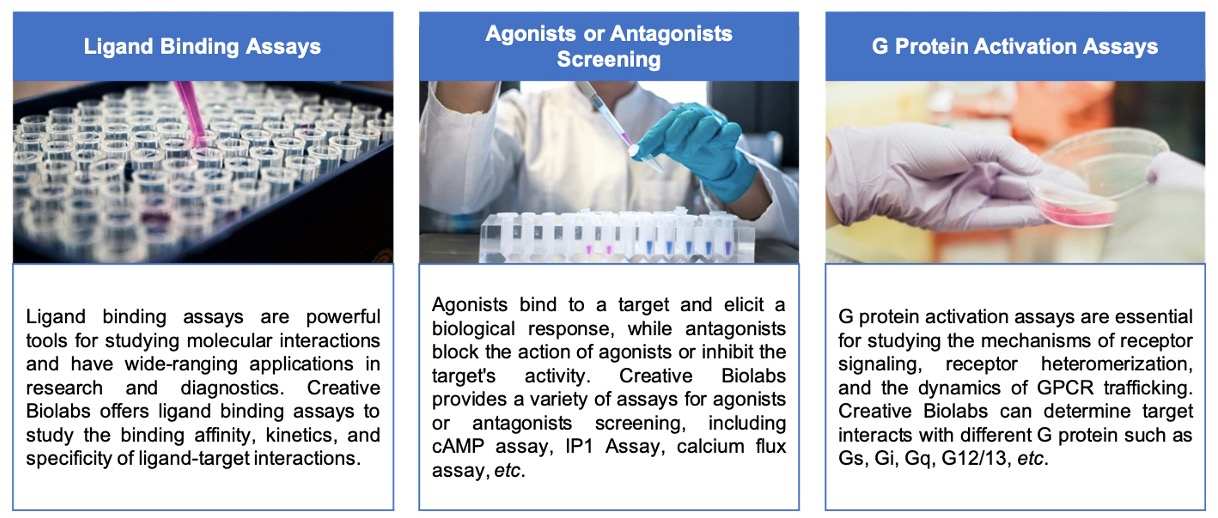
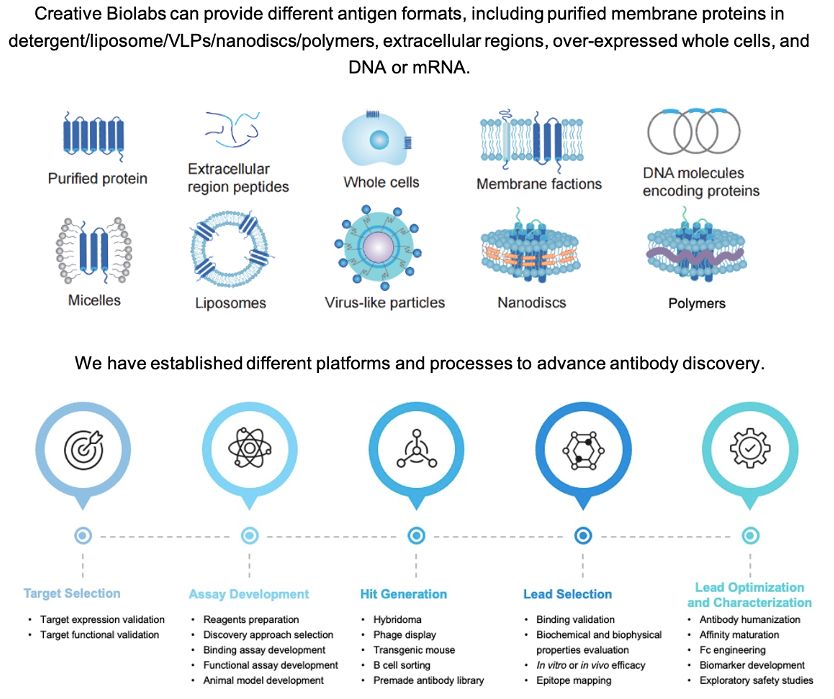
We provide tailored solutions to meet your specific requirements. Please for more services.
F2R as a Therapeutic Target
Creative Biolabs offers therapeutic target development services. F2R, a G protein-coupled receptor, exhibits elevated expression across a spectrum of malignant neoplasms, including but not limited to glioblastoma (GBM) and various subtypes of breast carcinoma. In the context of glioblastoma, a highly aggressive primary brain tumor, F2R is particularly overexpressed within the classical molecular subtype. This observation is noteworthy, as it frequently correlates with the amplification of the epidermal growth factor receptor (EGFR) gene and other hallmark genetic aberrations characteristic of this highly malignant variant. Such a co-occurrence suggests a potential synergistic role for F2R in driving the aggressive phenotype associated with classical GBM. Furthermore, in the intricate pathogenesis of breast cancer, F2R has been consistently implicated in facilitating numerous pro-tumorigenic processes. This intricate involvement positions F2R as a plausible therapeutic target, warranting rigorous investigation for its capacity to modulate disease trajectory and improve treatment outcomes in these challenging malignancies.
RNA Interference
Creative Biolabs offers RNA interference services. In the ongoing endeavor to decipher and disrupt oncogenic signaling, gene silencing techniques have emerged as indispensable tools. Specifically, the targeted suppression of the F2R gene via small interfering RNA (siRNA) or short hairpin RNA (shRNA) methodologies has demonstrably attenuated F2R-mediated signaling cascades within various malignant cell lines. This precise molecular intervention has proven instrumental in elucidating the multifaceted role of F2R in the intricate processes of tumor progression. This suggests that modulating F2R expression might offer a promising avenue for novel anticancer strategies.
Creative Biolabs offers comprehensive and innovative services to drive the development of F2R cell therapy. Please for more services.
Chimeric Antigen Receptor (CAR) Design
Creative Biolabs offers CAR design services. In the evolving landscape of cellular immunotherapy, the development of Chimeric Antigen Receptor T-cells (CAR-T cells) specifically engineered to target F2R represents a significant advancement. These designer T-cells are precisely constructed utilizing human anti-F2R single-chain variable fragment (scFv) antibodies, which confer specific recognition capabilities for F2R-expressing cells. Furthermore, to augment their therapeutic efficacy, these CAR-T cells are genetically modified to express critical intracellular co-stimulatory signaling domains. This sophisticated engineering approach aims to optimize the anti-tumor potential of these advanced cellular therapeutics.
Novel Pro-Apoptotic Peptides Design
Creative Biolabs offers novel pro-apoptotic peptides Design services. This peptide, ingeniously derived from the Vibrio cholerae hemagglutinin protease (HAP) cleavage site of murine F2R, exhibits a unique mechanism of action. Crucially, it engages with F2R at an allosteric site, a location distinct from the receptor's conventional proteolytic activation site. Upon binding, this meticulously designed peptide effectively triggers the activation of F2R and its associated downstream signaling cascades within malignant cells. Preliminary investigations have demonstrated its remarkable capacity to selectively induce apoptosis in both breast and colon cancer cell lines. Importantly, this pro-apoptotic effect appears to be specifically directed towards cancerous cells that exhibit overexpression of F2R, while ostensibly sparing healthy, normal cellular populations. This selective targeting suggests a promising avenue for therapeutic intervention with reduced off-target effects.
Based on world-leading technology platforms and professional scientific staff, Creative Biolabs has successfully generated a variety of functional membrane protein targets for our customers. We are pleased to tailor one-stop, custom-oriented service packages and provide lyophilization or freezing service for long-term storage of membrane proteins from weeks to months. Please feel free to for more information.
All listed services and products are For Research Use Only. Do Not use in any diagnostic or therapeutic applications.