Cryptococcus gattii derived Exosome Research & Application
Overview Advantages Research Application Services Products FAQs
Decoding C. gattii Derived Vesicles
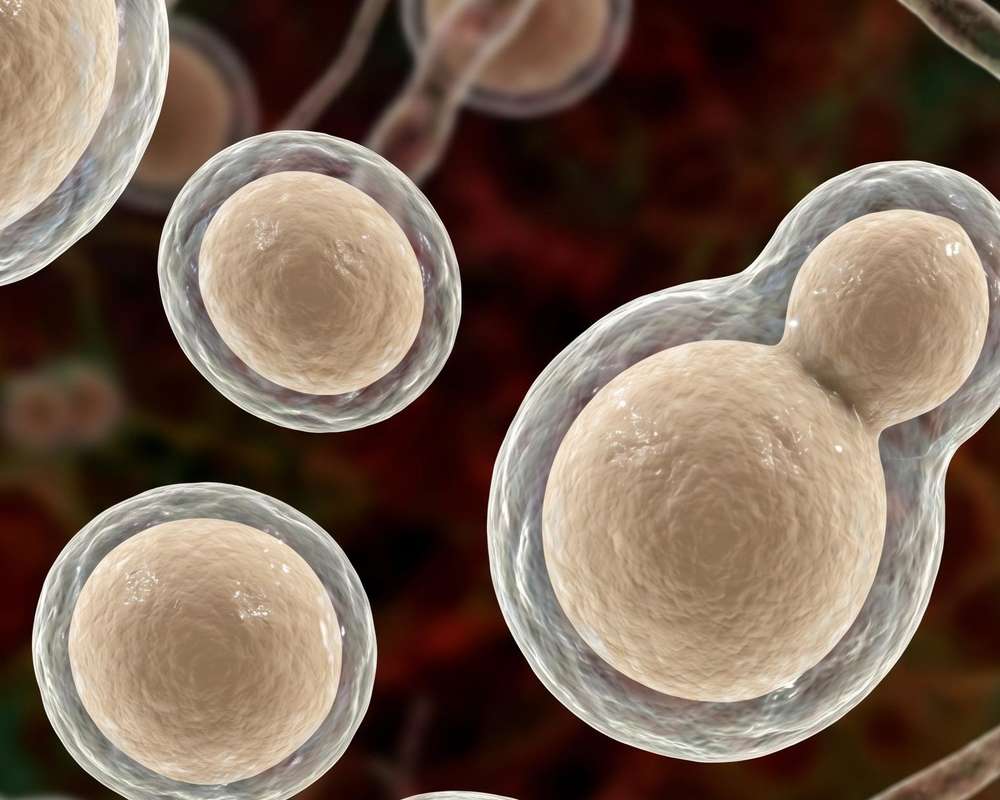
Cryptococcus gattii is a formidable fungal pathogen that distinguishes itself through its remarkable ability to induce life threatening pulmonary and neurological diseases in immunocompetent individuals. Unlike its close relative, C. neoformans, which primarily targets immunosuppressed hosts, C. gattii has demonstrated significant environmental fitness and virulence, leading to major outbreaks in temperate regions such as the Pacific Northwest. The pathogen travels through the respiratory tract to the lungs, where it must navigate a hostile immune landscape characterized by phagocytic cell recognition and inflammatory clearance.
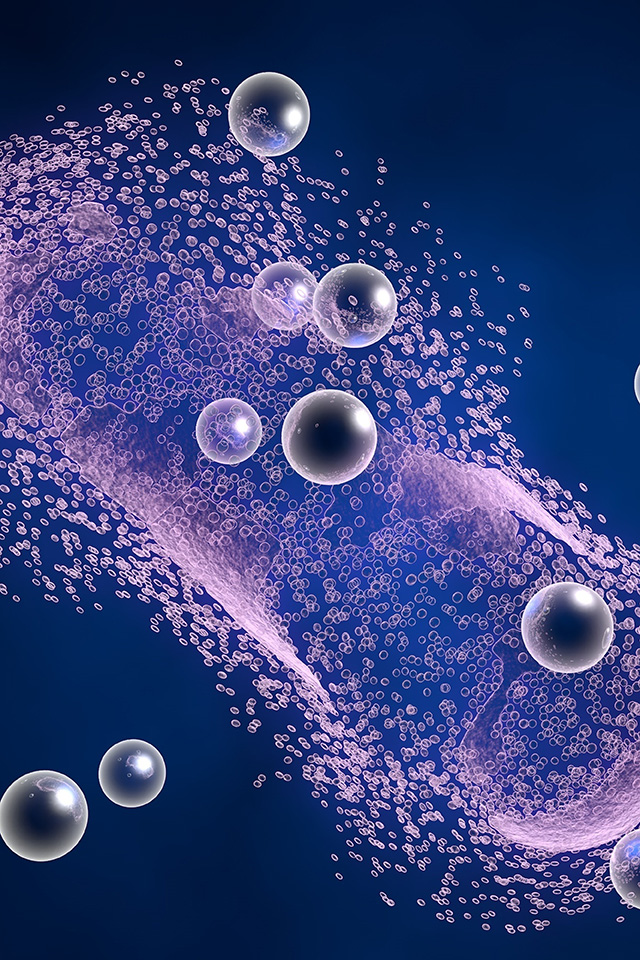
Central to this survival strategy is the release of exosome. These nanoscale, lipid bilayered structures represent a sophisticated mechanism for the distal delivery of virulence factors and immunomodulatory molecules. Investigating these vesicles is critical for uncovering how C. gattii coordinates complex social behaviors within its population and subverts host defenses. By acting as acellular extensions of the fungal cell, exosomes allow for long distance communication and phenotypic modulation that soluble secretomes cannot achieve. Creative Biolabs supports the global scientific community in deciphering these vesicular pathways, providing the analytical depth required to transform basic mycological findings into breakthroughs.
Consult With Our Experts to Refine Your Vesicle Analysis Protocol
The Strategic Edge of C. gattii Nanocarriers
Exosomes from C. gattii possess unique biochemical and structural properties that afford the pathogen a significant survival advantage. These characteristics ensure that delicate cargo remains functional while traversing complex biological environments.
Bilayer Shielding
A resilient lipid membrane protects internal peptides, enzymes, and RNAs from host proteolytic and nucleolytic degradation.
Metabolite Sequestration
Vesicles selectively concentrate bioactive molecules, achieving high local concentrations that soluble secretomes cannot match.
Directed Internalization
High surface adhesion facilitates efficient uptake by macrophages and targeted trafficking to the phagosomal compartment.
Intrinsic Immunomodulation
By displaying native fungal molecular patterns, these vesicles act as primary mediators at the host-pathogen interface, triggering specific innate signaling axes.
Consult With Our Technical Leads to Architect Your Next Generation Vesicle Study.
Specialized Insights Across C. gattii Derived Vesicles Research
Contemporary research has revealed that C. gattii vesicles are active participants in both intraspecies coordination and host manipulation. These findings highlight the versatility of the fungal secretome in establishing persistent infections.
-
Intra-Pathogen Communication
One of the most striking discoveries in C. gattii biology is the mechanism. During infection, virulent strains release vesicles that are internalized by host macrophages and trafficked directly to the phagosome. These vesicles carry signals that trigger the rapid intracellular growth of non-outbreak fungal cells that would otherwise be eliminated by host defenses. This vesicle-mediated communication over large cellular distances ensures the survival and expansion of the fungal population within the host environment.
-
Bioactive Metabolites and Immune Modulation
Untargeted metabolomics has identified a rich landscape of small molecules within C. gattii vesicles. Notable among these is the tripeptide Isoleucine-Proline-Isoleucine (Ile-Pro-Ile). Experimental models have shown that this vesicular peptide can actually improve survival rates in lethal infection models, suggesting a complex role in regulating the host immune response or fungal virulence phenotypes.
-
Regulation of Cellular Activities
Beyond host interaction, these nanocarriers are integral to the fungus's own structural maintenance. They are involved in the export of major polysaccharides required for capsule construction and the synthesis of the glial layer. Moreover, exposure to these vesicles has been linked to the upregulation of essential genes, which correlates with reduced susceptibility to antifungal agents in both planktonic and biofilm forms.
Partner With Our Scientists to Decode the Pathogenic Role of Fungal Exosomes
Potential Analysis of C. gattii Vesicles
The inherent ability of C. gattii vesicles to navigate biological barriers and modulate immune signaling opens several innovative avenues for diagnostic and therapeutic applications.

Next Generation Prophylactics
Fungal vesicles display a repertoire of native protective antigens. Immunization with standardized vesicle preparations has shown potential in eliciting robust antibody responses, providing a blueprint for acellular fungal vaccines.

Biomarker Discovery
The specific protein and metabolite signatures within C. gattii exosomes can serve as stable indicators of infection severity and outbreak strain lineage in samples.

Drug Delivery Systems
The lipid scaffold of the vesicle can be repurposed to encapsulate hydrophobic antifungal drugs. By leveraging the natural tropism of these vesicles for lung tissues and macrophages, researchers can achieve targeted delivery with reduced systemic toxicity.

Immunomodulatory Adjuvants
Given their ability to activate pro-inflammatory phenotypes in macrophages (marked by IL-1β and IL-6 production), these vesicles are being explored as natural adjuvants to enhance host resistance against invasive mycoses.
Engage With Our Specialists to Transform Fungal Vesicles into Robust Therapeutic Assets.
Technical Service Collection for C. gattii Vesicles Research
Creative Biolabs offers a specialized suite of services designed to address the unique complexities of Cryptococcus research, ensuring ultrapure yields and detailed molecular characterization.
Isolation and Structural Verification
Multi-omics Cargo Profiling
Functional Bioassays (In vitro & In vivo)
Host Target and Signaling Analysis
Isolation and Structural Verification
We utilize optimized ultracentrifugation, density gradient separation or other exosome isolation methods to obtain highly purified exosomes. Verification is performed via nanoparticle tracking analysis (NTA) and transmission electron microscopy (TEM) to confirm size and morphological integrity.
Multi-omics Cargo Profiling
Our team provides deep exploration into the vesicle cargo, including proteomics and untargeted metabolomics based on mass spectrometry to identify bioactive peptides and lipid species.
Functional Bioassays (In vitro & In vivo)
We conduct in vitro assays to evaluate the impact of vesicles on macrophage phagocytosis, intracellular growth rates, and cytokine release profiles. Our murine models allow for robust in vivo efficacy testing.
Host Target and Signaling Analysis
Identification of the specific host pathways activated by fungal nanocarriers, providing a clear map of the host-pathogen interface.
Discuss Your Experimental Design with Our Leads Today.
Available Exosome Products at Creative Biolabs
Recognizing the need for standardized materials, we offer customized production of C. gattii derived vesicles to accelerate your findings.
-
Labeled Tracking Systems
Services include the modification of vesicles with fluorescent markers for real time monitoring of systemic distribution and cellular uptake.
-
Standardized Controls
Pre-isolated vesicle preparations for use as benchmarks in immunological or microbiological assays.
Collaborate With Our Leads to Bridge the Gap to Application.
FAQs
Q: Can these vesicles be used to study antifungal resistance?
A: Yes. Evidence shows that exposure to fungal vesicles can upregulate ERG11 and other genes associated with drug resistance. They are excellent models for studying how pathogens share resistance traits within a population.
Q: Can C. gattii vesicles be used to study cross-kingdom gene regulation?
A: Absolutely. Fungal vesicles are known to carry small RNAs and signaling peptides that interact directly with host cell machinery. Our specialized RNA-Seq and target prediction services can help you determine if these vesicular components are silencing host immune genes or activating specific transcription factors in human macrophages.
Q: What is the best way to verify vesicle internalization by host phagocytes?
A: We recommend using fluorescent dyes or lipophilic tracers in conjunction with confocal microscopy. Co-localization studies can definitively confirm successful internalization and intracellular positioning.
Q: Is it possible to develop a new type of vaccine using these fungal vesicles?
A: This is one of the most promising frontiers. Because these vesicles naturally activate immune signaling pathways and carry protective antigens, they have shown great potential as acellular vaccines in animal models. Creative Biolabs can provide highly purified, vaccine-grade vesicle samples for your research.
Connect With Our Scientific Team to Start Your Next Discovery.
For Research Use Only. Cannot be used by patients.
Related Services: