Cryptococcus neoformans derived Exosome Research & Application
Overview Advantages Research Application Services Products FAQs
Decoding the Pathogenic Nexus of C. neoformans Vesicles
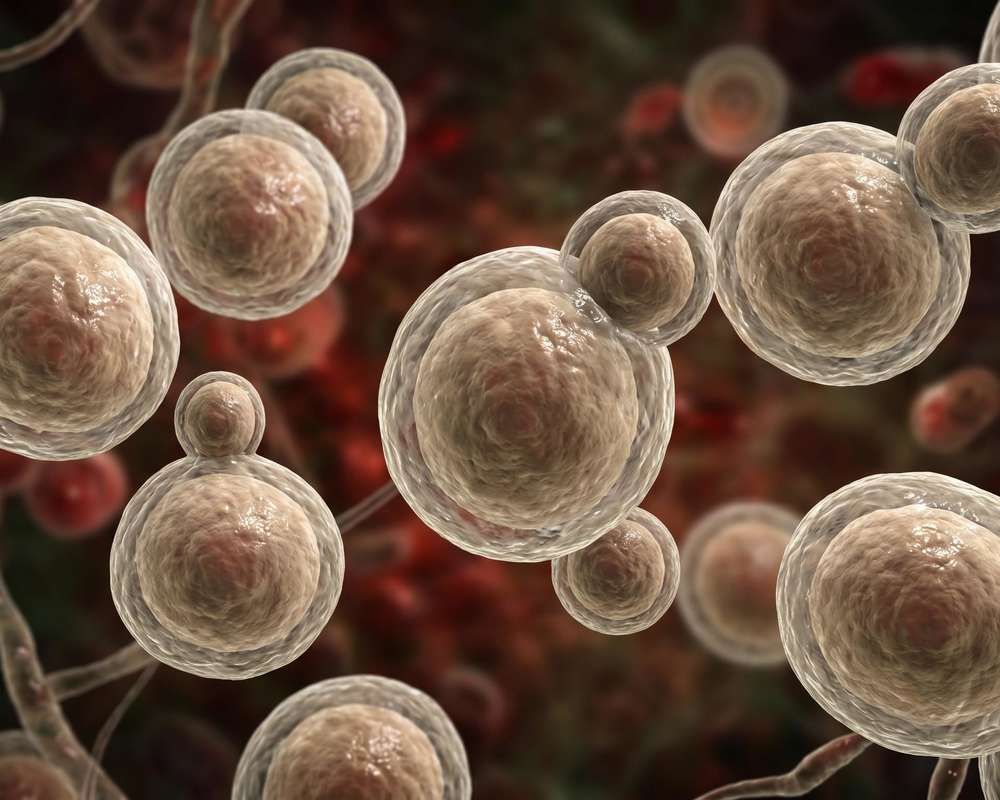
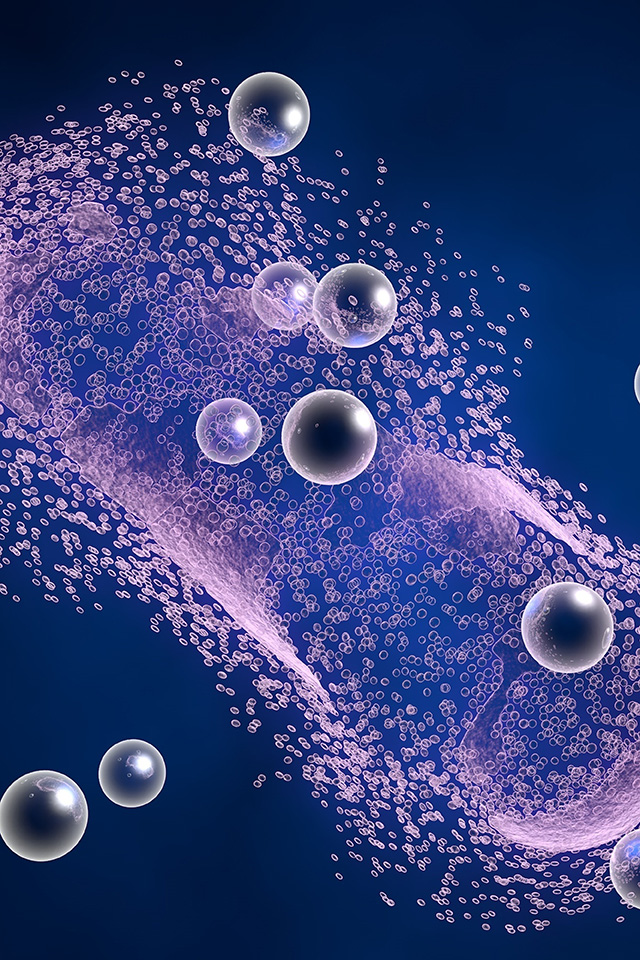
Cryptococcus neoformans, a basidiomycete yeast capable of adapting to human physiological temperatures, stands as a primary architect of lethal fungal meningitis. As an opportunistic pathogen with significant environmental plasticity, it navigates the host landscape using a sophisticated array of survival strategies. Central to this pathobiology is the secretion of exosomes, or fungal exosomes. These nanoscale vesicles are specialized delivery vehicles that transport concentrated payloads of virulence factors across the dense fungal cell wall.
Investigating these nanocarriers is critical for uncovering the molecular basis of host and pathogen crosstalk. By serving as a distal extension of the fungal secretome, exosomes allow C. neoformans to modulate host immunity and degrade distal tissues without direct cellular contact. As antimicrobial resistance continues to compromise traditional fungicidal strategies, understanding the biogenesis and functional repertoire of cryptococcal vesicles offers a vital pathway toward innovative diagnostic and therapeutic paradigms. Creative Biolabs supports the global scientific community in deciphering these complex vesicular interactions, providing a specialized research platform to accelerate discoveries in fungal pathogenesis.
Partner with Our Scientists to Decode C. neoformans Vesicles.
Biogenic Architecture and the Strategic Edge of Fungal Nanocarriers
The biological efficacy of C. neoformans exosomes is rooted in their unique biochemical and structural architecture, which affords the pathogen a significant survival advantage. These vesicles are strategically designed to maintain cargo integrity while navigating complex host environments.
Bilayer Shielding and Cargo Protection
The lipid membrane acts as a robust physical barrier, sequestering delicate enzymes, secondary metabolites, and regulatory genetic material from proteases and RNases derived from host. This architecture ensures that pathogenic effectors reach their target host cells in a functional and concentrated state.
Transporting Navigation
A defining characteristic of these nanocarriers is their ability to penetrate the dense fungal cell wall matrix. Evidence suggests that vesicles are generated through both plasma membrane blebbing and multivesicular body pathways, subsequently utilizing turgor pressure or localized matrix remodeling to reach the extracellular space.
Nutritional Plasticity
The composition and size of these vesicles are highly dynamic. Under limited nutrient conditions, often mirroring the host environment, vesicles exhibit increased hydrodynamic diameters and higher concentrations of virulence factors, illustrating a coordinated stress response that enhances pathogenicity.
Intrinsic Immunogenicity
By displaying native fungal molecular patterns, these vesicles act as potent activators of the innate immune system, providing a unique platform for vaccine research.
Consult with Our Leads to Discuss the Strategic Edge.
Recent Frontiers in C. neoformans Vesicle Research
Contemporary research has moved beyond basic characterization, focusing instead on how these vesicles function as virulence during infection. Creative Biolabs summaries these deep exploration results.
Molecular Encapsulation and Cargo Diversity
Modulation of Host Macrophage Function
Blood Brain Barrier (BBB) Infiltration
Regulation by Membrane Flippases
Molecular Encapsulation and Cargo Diversity
Proteomic and biochemical analyses have identified a diverse array of molecules associated to virulence within C. neoformans exosomes.
-
Enzymatic Payload
Essential enzymes such as urease and laccase are packaged within vesicles, facilitating tissue invasion and melanin synthesis.
-
Capsular Elements
The primary capsular polysaccharide, is a major cargo, contributing to immune evasion.
-
Secondary Metabolites
Pigments like melanin are transported to safeguard the pathogen against oxidative stress and immune attack.
Modulation of Host Macrophage Function
Cryptococcal vesicles are biologically active mediators of host cell behavior. Upon internalization by murine macrophages, they stimulate the Dependent production on the dosage of nitric oxide and the release of cytokines. This modulation enhances the bactericidal activity of phagocytes in some contexts, while potentially facilitating chronic inflammation in others.
Blood Brain Barrier (BBB) Infiltration
A hallmark of C. neoformans is its neurotropism. Vesicles have been shown to enhance the translocation of fungal cells across the BBB. By fusing with human brain microvascular endothelial cells and activating membrane vesicle pathways, these nanocarriers prime the host's neurological barrier for infection.
Regulation by Membrane Flippases
The cargo loading process is not random and genetically regulated. Studies of aminophospholipid translocases, reveal that these flippases differentially influence vesicle proteomes and polysaccharide levels, highlighting specific molecular targets for disrupting virulence mediated by vesicles.
Work Alongside Our Experts to Illuminate the Pathways.
Translational Horizons for Next Generation Antifungal Interventions
The inherent properties of C. neoformans vesicles open several innovative avenues for clinical and industrial application, shifting the focus from pathogen defense to proactive intervention.
 Acellular Vaccine Platforms
Due to their morphology and display of protective antigens, cryptococcal vesicles are being developed as acellular vaccines. In mouse models, immunization with purified vesicles from acapsular strains elicits robust antibody responses and significantly prolongs survival after lethal challenge.
Diagnostic Biomarker Discovery
The specific protein and RNA signatures within vesicles reflect the physiological state of the pathogen. Identifying these stable markers in liquid biopsies could lead to highly sensitive tools for the early diagnosis of invasive mycoses.
Therapy Drug
By targeting the biosynthesis of cargo in exosomes, researchers can weaken the pathogen without exerting the high selective pressure associated with traditional antifungals, potentially mitigating resistance.
Synergistic Drug Delivery
Repurposing the lipid scaffold of fungal vesicles for the encapsulation of hydrophobic drugs like amphotericin B may enhance drug penetration into recalcitrant fungal niches and biofilms.
Partner With Our Scientists to Decode the Molecular Signatures of These Fungal Messengers.
Integrated C. neoformans Exosome Discovery Solutions
Creative Biolabs offers a specialized suite of services designed to address the unique complexities of C. neoformans research, ensuring ultrapure yields and detailed molecular characterization.
|
Service Category
|
Technical Highlights
|
|
Isolation & Identification
|
Utilization of density gradients or ultracentrifugation for high purity isolation, verified via NTA and TEM.
|
|
In Vitro Functional Discovery
|
Assays for macrophage polarization, cytokine secretion profiles, and BBB translocation models.
|
|
In vivo Efficacy Testing
|
Systemic models in mice to evaluate virulence mediated by vesicle and vaccine potential.
|
|
Profiling Based on Omics
|
Proteomics and lipidomics based on mass spectrometry to map the virulence payload.
|
|
Host Target Analysis
|
Screening for host receptors and signaling pathways activated by cryptococcal nanocarriers.
|
Discuss Your Experimental Design to Accelerate Your Findings.
Tailored Vesicle Products for Research
Recognizing the need for standardized materials, we offer customized production of C. neoformans derived nanocarriers to facilitate robust scientific inquiry.
-
Labeled Tracking Systems
Modification of vesicles with fluorescent markers for monitoring of systemic distribution and cellular internalization.
-
Modified Cargo Preparations
Specialized protocols for loading exogenous molecules or silencing specific internal virulence factors for therapeutic research.
Collaborate With Our Leads to Bridge the Gap.
FAQs
Q: How do vesicles pass through the dense fungal cell wall without rupturing?
A: This is a key area of investigation. While the cell wall is rigid, vesicles likely navigate through it via movement driven by turgor or transient localized remodeling of the network consisted by chitin and glucan.
Q: Can cryptococcal vesicles cross the blood brain barrier independently?
A: Yes. Evidence indicates these vesicles can fuse with brain endothelial cells and activate specific membrane activities that facilitate both their own entry and the subsequent translocation of the yeast cells.
Q: Why do serum proteins like albumin disrupt isolated vesicles?
A: This interaction is believed to be a host defense mechanism. Albumin promotes the unloading of the vesicle cargo, potentially facilitating the host's ability to neutralize the toxic payload. We provide stability assays to help you evaluate these interactions in vitro.
Q: Do these vesicles contain genetic material for communication?
A: Fungal exosomes are known to carry various RNAs. We offer specialized sequencing services to help you identify if your cryptococcal vesicles are transferring regulatory sRNAs that silence host immune genes.
Start A Dialogue with Our Team Today.
For Research Use Only. Cannot be used by patients.
Related Services: