Viral infections remain one of the biggest challenges for human health. Accurate and early detection of the infectious virus are crucial for clinical diagnosis, transmission control, and therapy. Recent progress in the development of aptasensors, using aptamers for selective molecular recognition, and application to viral-antigen detection is highly promising. As one of the leaders in disease in vitro diagnosis (IVD) research, Creative Biolabs makes the use of aptasensors for the detection of viral pathogens and believes in the feasibility of aptasensors to become standard devices for point-of-care diagnostics of viruses.
The Powerful Molecular Tools for Virus Detection
Current approaches to diagnose viral infections mainly include virus isolation in tissue cultures, immunological and molecular methods. Although antibody-based detection methods are widely used in preclinical research, their popularity is hindered by high cost, antibody instability, and the limitation of target types. Besides, these methods have some common limitations such as technically demanding, false positive, or false negative results. Aptamers are easy to synthesize, modify, and can bind to a broad range of targets. Aptamer-based assays for virus detection may improve these mentioned drawbacks to some extent. Therefore, aptamers are promising for detecting viruses and treating viral infections.
Requirements for Viral Diagnostics
The ideal viral diagnostic method, should be fast, accurate, and easy to use, irrespective of the viruses or assay requirements. In viral diagnostics, the components targeted to detect the virus could be virion, nucleic acids, and viral protein. Virus-particle quantification is difficult, due to the lack of proper standards. The viral components are far more abundant than complete virions, so they are the preferred targets. The viral proteins seem to be better targets since nucleic acids are rapidly degraded in body fluid samples.
Aptamer Development for Virus Detection
Aptamer-based biosensors (aptasensors), mainly classified into optical and electronic aptasensors, are widely used in virus detection. Both DNA or RNA aptamers showing affinity and specificity for the specific virus could be further assembled onto gold nanoparticles that subsequently formed a gold nanoshell (AuNS) around the viral envelope. These shells could be visualized by transmission electron microscopy (TEM). Changes in size and structure of the AuNS coated virus can be used to detect the viruses. Besides modifications for stabilization and immobilization, an extensive range of molecular labels can be attached to RNA and DNA aptamers, sometimes with linker oligonucleotides or spacer molecules in between to reduce interference with target recognition.
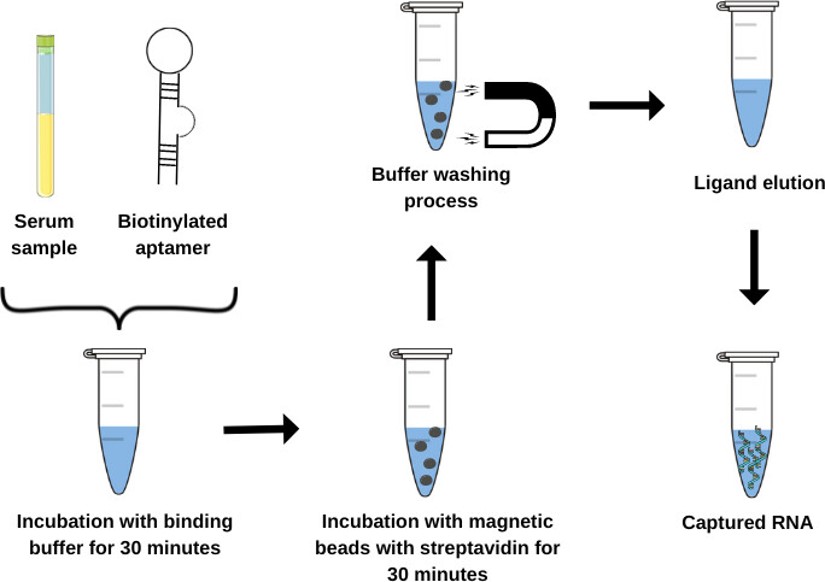 Fig.1 Schematic illustration of electrical aptasensors.1,4
What Creative Biolabs Can Do for You?
Provided Detection Platforms
- Aptamer-Nanoparticle (Apt-NP) System
- Aptamer-Microfluidic System
- Aptamer-Quantum Dots System
- Molecular Beacon Aptamer System
- Fluorescent Aptamer System
Featured Services
- Virus-specific Aptamer Selection
- Virus-specific Aptamer Modification
- Virus-specific Aptamer Optimization
- Optical Aptasensors Development
- Electronic Aptasensors Development
Please contact us for more information about virus-specific aptamers-related services or aptamer products.
Published Data
1. SELEX-Derived Aptamers for SARS-CoV-2 Diagnosis and Therapy
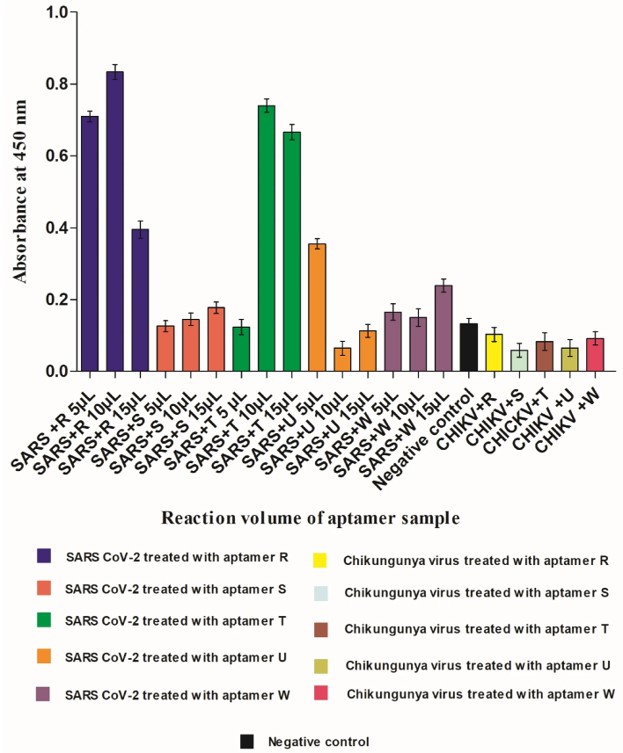 Fig.2 Highest diagnostic potential with good binding efficacies of aptamers for SARS-CoV-2.2,4
This study developed an aptamer-based system with both diagnostic and therapeutic potential for SARS-CoV-2 infection. A random aptamer library (~ 1017 molecules) was subjected to SELEX, leading to the identification of aptamer R, which demonstrated a strong binding affinity for the SARS-CoV-2 spike RBD domain in in vitro binding assays. A pseudotyped viral entry assay revealed that aptamer R specifically blocks SARS-CoV-2 pseudovirus entry into HEK293T cells expressing ACE2, demonstrating specificity as it did not inhibit entry of Vesicular Stomatitis Virus glycoprotein pseudoviruses. Aptamers R and J (a variant of R) demonstrated 95.4% and 82.5% inhibition, respectively, against SARS-CoV-2. In silico studies revealed intermolecular interactions between the aptamers and the RBD domain, providing insights into their binding mechanisms and inhibitory effects. In conclusion, these aptamers have high diagnostic potential for SARS-CoV-2 at very low concentrations and can act as effective entry inhibitors.
2. Aptamer-Based Colorimetric RT-LAMP for Dengue Virus Detection
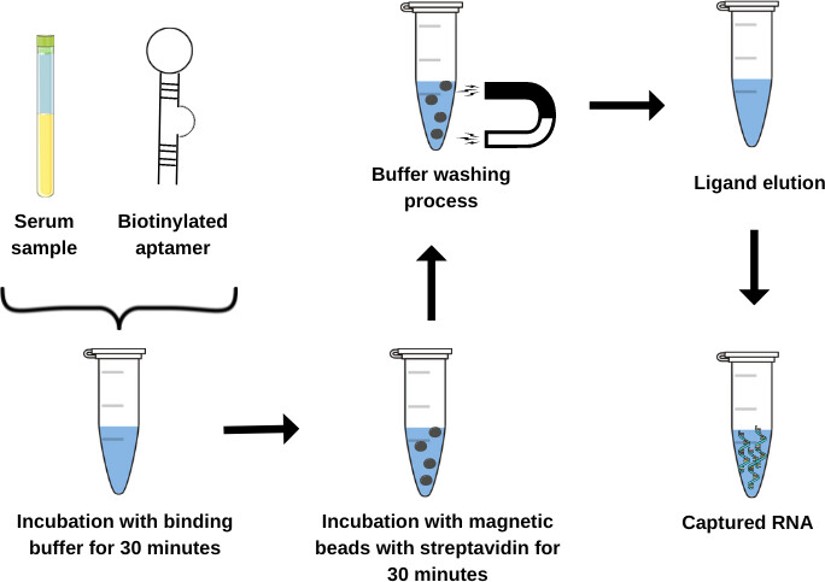 Fig.3 Workflow for the aptamer-based capture test.3,4
This study developed an aptamer-based method for capturing the dengue virus in biological samples, followed by detection using the LAMP technique. Researchers tested 60 serum samples, using an aptamer that binds to the dengue virus as a tool for capturing genetic material. The aptamer's effectiveness was evaluated in comparison to a commercially available kit. Dengue virus detection was performed through RT-PCR and colorimetric RT-LAMP, which allowed visual results without equipment. The aptamer-based LAMP assay detected the virus in 38 of 60 samples, showing 95% sensitivity and 100% specificity when compared to RT-PCR/APTA-RT-PCR. No cross-reaction was observed with Zika virus-positive samples, highlighting the assay’s selectivity. The combination of aptamer-based viral RNA capture with RT-LAMP (APTA-RT-LAMP) offers a faster and simpler approach for detecting neglected infectious diseases.
References
- Zou, Xinran, et al. "Application of aptamers in virus detection and antiviral therapy." Frontiers in microbiology 10 (2019): 1462.
- Halder, Sayanti, et al. "SELEX based aptamers with diagnostic and entry inhibitor therapeutic potential for SARS-CoV-2." Scientific Reports 13.1 (2023): 14560.
- Arruda, Vitória de Oliveira, Luiz Ricardo Goulart Filho, and Adriana Freitas Neves. "Aptamer-associated colorimetric reverse transcription loop-mediated isothermal amplification assay for detection of dengue virus." Microbiology Spectrum 12.9 (2024): e03583-23.
- Distributed under Open Access license CC BY 4.0, without modification.
For Research Use Only.