What is New About Molecular Profiling in Pediatric Cancer?
In a newly published clinical study, Church and other colleagues recruited 345 pediatric patients with distinct types of extracranial solid tumors to evaluate the clinical impact of molecular tumor profiling (MTP) through genetic sequencing. About 238 children were tested for at least one gene mutation. As the genetic "fingerprint" or pattern of cancer-related DNA changes could be matched with existing targeted and precision therapy, these mutations can provide scientific methods for the next cancer treatment. Subsequently, 29 matched drug therapy patients received targeted therapy. In this group, 24% of the patients responded to this treatment. Moreover, the diagnosis of different tumors has also been clarified in 17 patients by MTP, which means the diagnostic yields can be significantly improved in this way compared to traditional approaches.
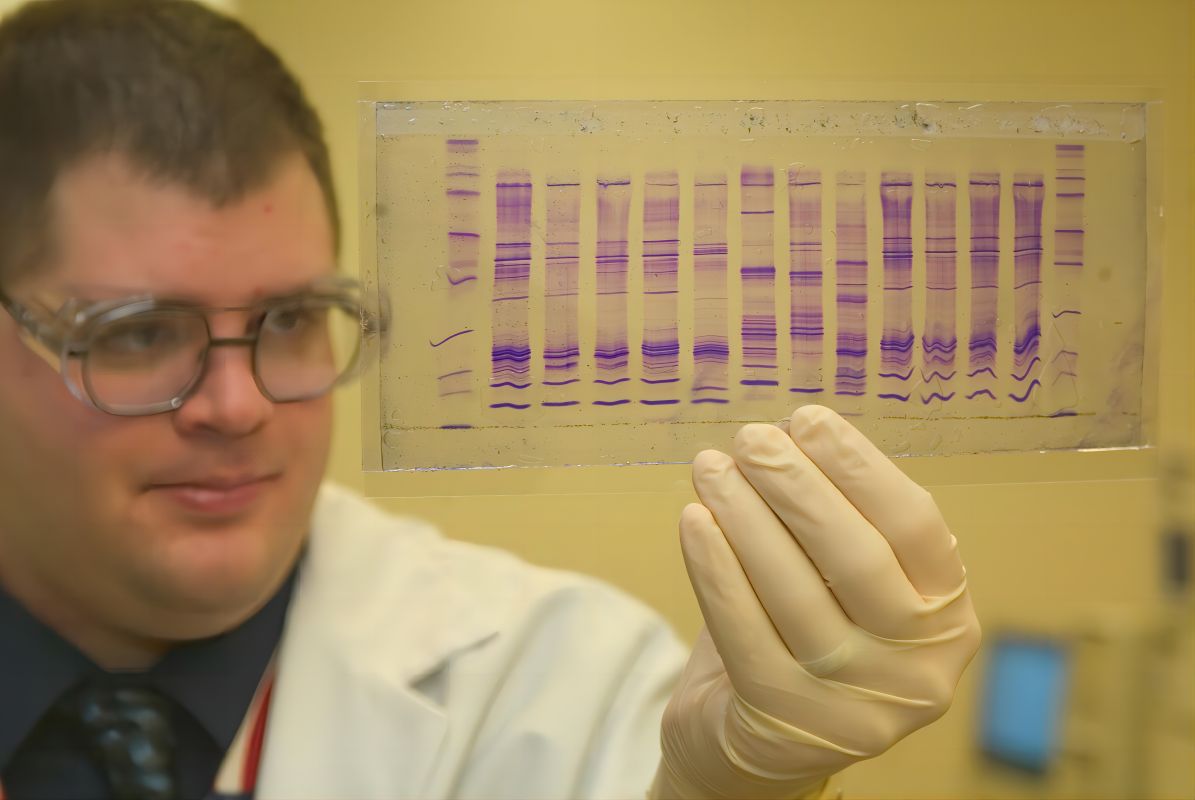 Fig.1 DNA profile reading.1
Conclusion
Based on Church's research, the application of molecular profiling in the diagnosis and treatment of pediatric tumors can be quite helpful. It can not only help the classification of tumors but also provide effective information for the treatment of tumors. With the support of more clinical trial data, molecular analysis will certainly become an important technology in the diagnosis and treatment of pediatric cancers.
Reference
- From Wikipedia: By James Tourtellotte, photo editor of CBP Today, https://commons.wikimedia.org/wiki/File:CBP_chemist_reads_a_DNA_profile.jpg
For Research Use Only.