Stem Cell-derived Exosome Application
- Heart Injury Repair
Overview Services Features FAQs
SC-Exos (Stem cell exosomes) are small biologically active vesicles secreted by a variety of cells that are rich in intercellular communication and signaling information and can play a role in repairing cardiac tissue after injury. Creative Biolabs has accumulated insights into the application of SC-Exo to heart injury repair and provides related research services.
Mechanism of Heart Tissue Injury
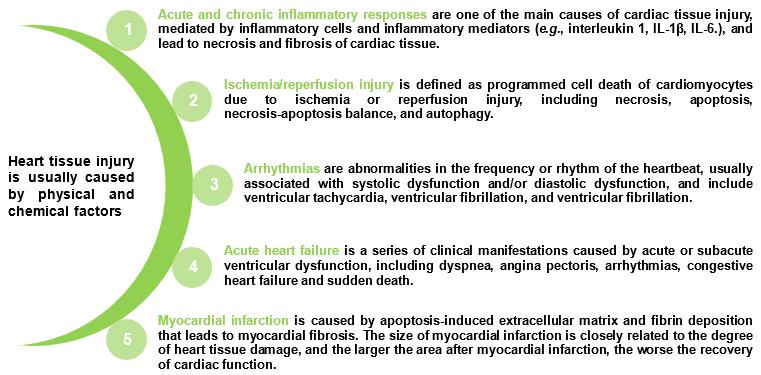 Fig.1 Causes of heart tissue injury.
SC-Exo Repair Diseases Associated with Heart Injury
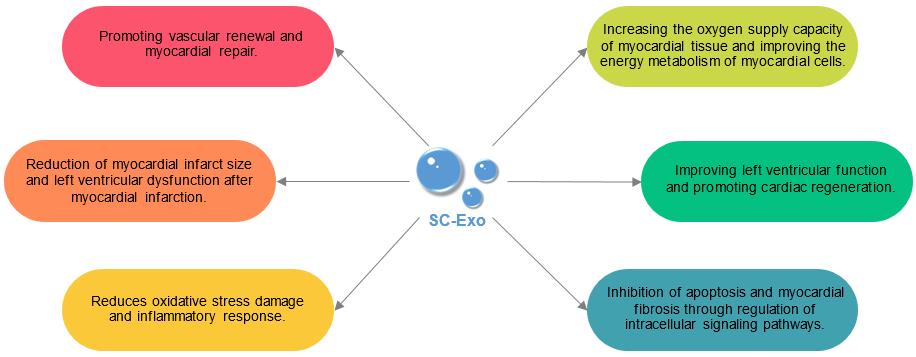 Fig.2 SC-Exo repair effects.
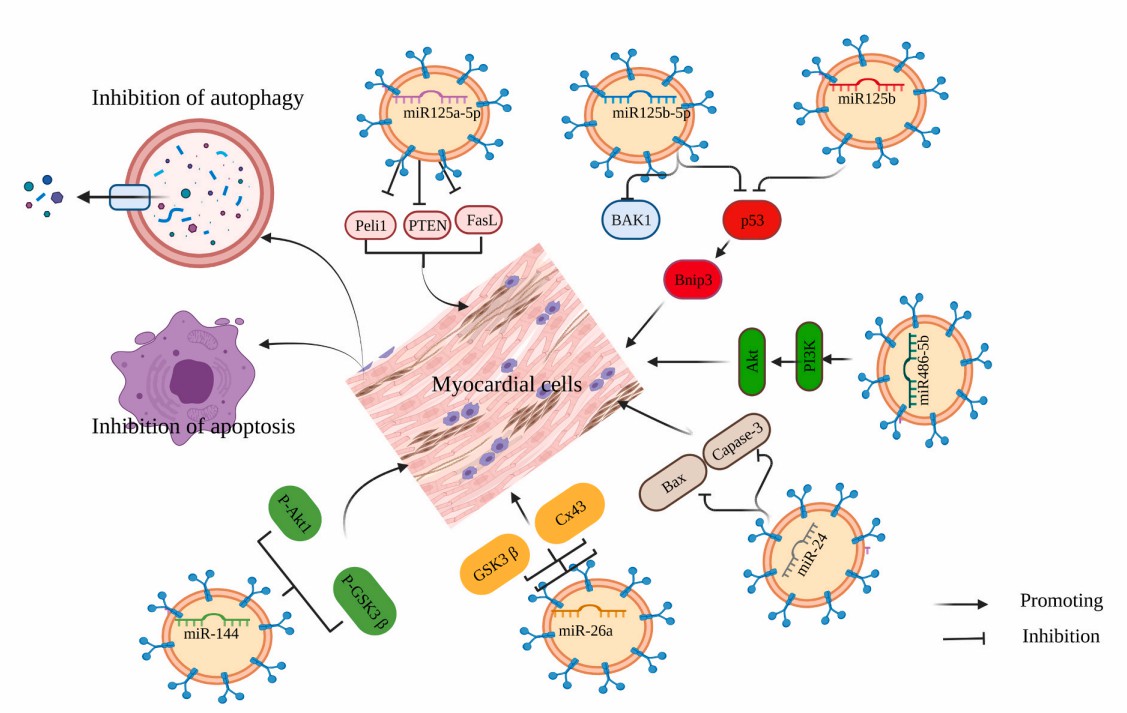 Fig.3 Exosomes and their cardioprotective potential.1, 3
Different Types of SC-Exo Repair Heart Injury
SC-Exo accelerate damaged myocardial angiogenesis through anti-apoptosis and anti-fibrosis to achieve rapid recovery of damaged cardiac myocytes.
|
SC-Exo Types
|
Application
|
|
MSC-Exo (Mesenchymal SC-Exo)
|
Bone marrow MSC-Exo
|
Hypoxia-preadapted bone marrow MSC-Exos were injected into rat myocardium, and significant upregulation of miR-24 levels, downregulation of apoptotic protein expression, reduction of myocardial infarct size and improvement of cardiac function were observed in rats with acute myocardial infarction model.
|
|
Adipose MSC-Exo
|
Adipose MSC-Exo from mi R-146a-modified adipocytes reverse hypoxia-induced activation of TLR4/NF-κB) signaling and myocardial injury through downregulation of EGRF1.
|
|
Umbilical cord MSC-Exo
|
Umbilical cord MSC-Exos protect cardiomyocytes by targeting SOX6 through mi R-19a, activating AKT and inhibiting JNK3/caspase-3.
|
|
Cardiac progenitor cell exosomes
|
Cardiac progenitor cell exosomes can inhibit the activation of apoptosis execution factors Caspase7 and Caspase3, thereby reducing apoptosis in cardiomyocytes.
|
|
Induction of pluripotent SC-Exo
|
Induction of pluripotent SC-Exo restores survival and capillary-like structure formation in human umbilical vein endothelial cells cultured with high glucose, providing a guiding direction for the alleviation of cardiovascular disease in combination with diabetes.
|
|
Embryonic SC-Exo
|
Embryonic SC-Exos deliver miR-294 to cardiac progenitor cells to increase their survival and differentiation to cardiomyocytes.
|
|
Hematopoietic SC-Exo
|
Sonic hedgehog factor-modified hematopoietic SC-Exo that increased capillary density in the marginal zone of myocardial infarction, reduced myocardial infarct size, and attenuated ventricular remodeling and decreased cardiac function.
|
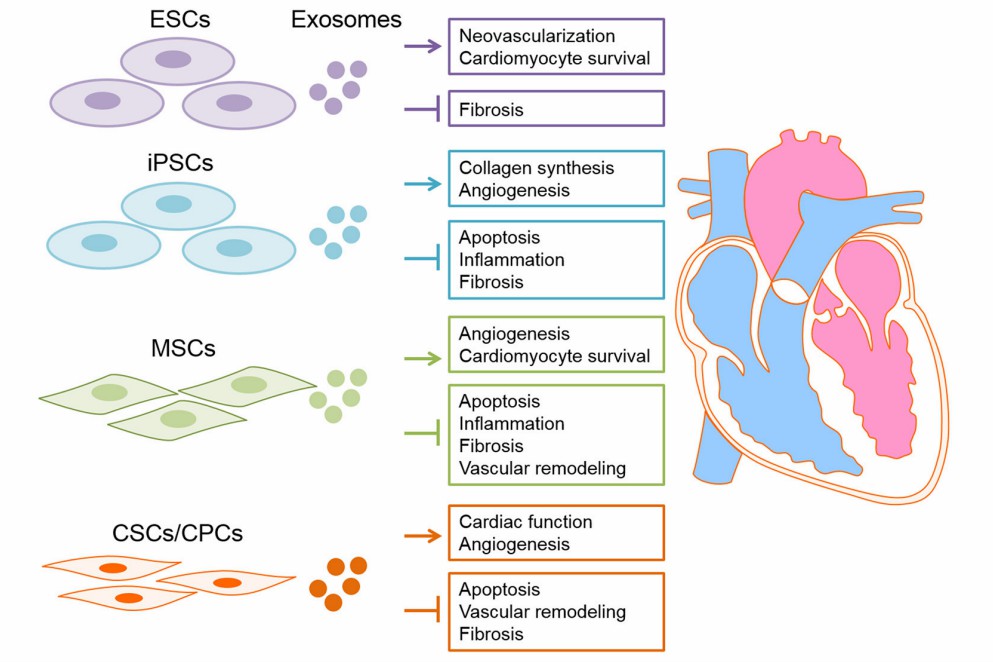 Fig.4 Various SC-Exo have been proposed for cardiac disease therapy.2, 3
SC-Exo are less invasive and more specific than traditional stem cell transplants. Creative Biolabs has a proven SC-Exo research system to overcome the complexities of exosome extraction and purification and how exosomes target biologically useful active factors. Please contact us to respond to your needs.
FAQs
Q: What are SC-Exos, and how do they contribute to heart injury repair?
A: SC-Exos are nanoscale vesicles released by stem cells that facilitate the transport of bioactive chemicals to target cells, enhancing tissue repair and regeneration. In heart injury, these exosomes can enhance cardiomyocyte survival, reduce inflammation, and stimulate angiogenesis, thereby facilitating recovery.
Q: How do the molecular contents of SC-Exos influence cardiac repair mechanisms?
A: The molecular contents of exosomes can modulate various signaling pathways involved in cardiac repair. For instance, specific microRNAs can regulate gene expression related to apoptosis and fibrosis, while growth factors can promote cell proliferation and angiogenesis, leading to improved cardiac function post-injury.
Q: What are the possible benefits of utilizing exosomes instead of full stem cell therapy for cardiac repair?
A: SC-Exos offer several advantages, including reduced risk of tumorigenesis, lower immunogenicity, and easier administration. They can be delivered via intravenous injection, bypassing the complexities associated with stem cell transplantation. Additionally, exosomes can be engineered for targeted delivery, enhancing their therapeutic efficacy.
Q: Are there any specific types of stem cells that are more effective in producing exosomes for heart injury repair?
A: Mesenchymal stem cells (MSCs) have demonstrated encouraging outcomes in exosome generation for cardiac applications. These MSC-derived exosomes have been demonstrated to possess potent regenerative properties, making them a preferred choice for heart injury repair.
Q: What challenges exist in the clinical translation of stem cell-derived exosome therapies for heart injuries?
A: Challenges include standardizing exosome isolation and characterization methods, ensuring consistent therapeutic efficacy, and addressing regulatory hurdles. Furthermore, research is still being done to determine the best dosage, schedule, and delivery systems.
References
-
Reiss, Allison B., et al. "Exosomes in Cardiovascular Disease: From Mechanism to Therapeutic Target." Metabolites 13.4 (2023): 479.
-
Yuan, Ye, et al. "Stem cell-derived exosome in cardiovascular diseases: macro roles of micro particles." Frontiers in pharmacology 9 (2018): 547.
-
Under open access license CC BY 4.0. The image was modified by revising the title.
For Research Use Only. Cannot be used by patients.
Related Services: