Stem Cell-derived Exosome Application
- Muscle Injury Repair
Overview Services Features FAQs
Creative Biolabs summarizes the potential of SC-Exo (stem cell exosomes) in muscle injury repair, providing customized research services in terms of biological properties, functions, and their intervention mechanisms.
Overview of Muscle Injury
-
Congenital factors: Muscle tissue atrophy caused by congenital muscular dystrophy can cause muscle injury. When protein is insufficient, it can affect the repair of muscle fibers, resulting in changes such as thinning of muscle fibers.
-
Acute injury: Acute injury occurs when a muscle is stimulated to perform an activity that causes an excessive pull on the muscle.
-
Chronic injury: For some reason, the muscle is strained for a long time or is under a state of tension for a long time, resulting in degeneration, fracture, and spasm of the muscle fibers and injury. It is manifested as a decrease or loss of muscle strength.
-
Chronic strain injury: Chronic strain injury occurs when the muscle fibers are unevenly stressed due to long-term engagement in a certain action, such as prolonged standing work, walking, and heavy labor.
-
Nerve signal induction: Overexcitation, overexertion, and impaired nerve conduction can alter muscle metabolic homeostasis and induce myositis to cause muscle injury.
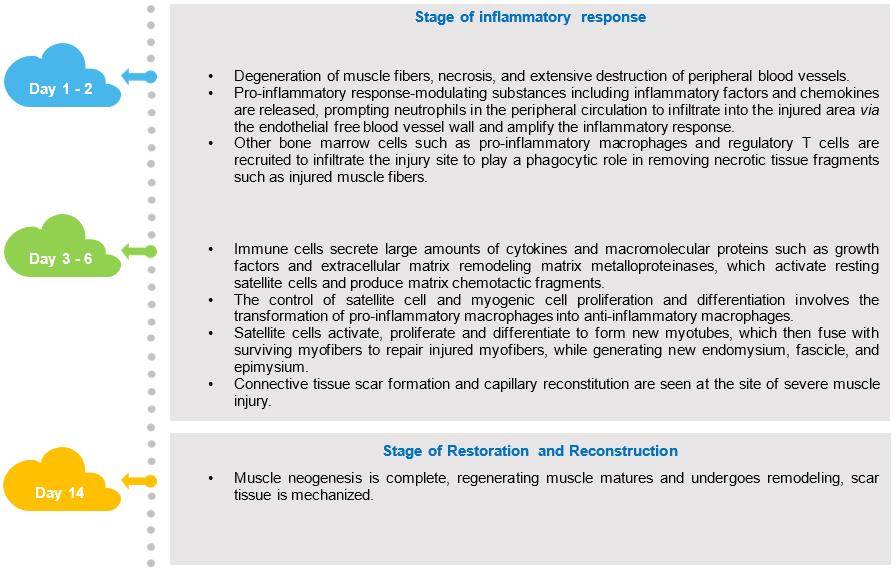 Fig.1 Muscle injury response and repair.
Services at Creative Biolabs
We offer comprehensive research services focused on the application of stem cell-derived exosomes in muscle injury repair. Our expertise includes formulation of experimental designs, optimization of exosome isolation and characterization, as well as in vitro and in vivo testing to evaluate the regenerative efficacy of exosomes derived from various stem cell sources. We aim to provide valuable insights into the mechanisms of action, potential pathways for muscle regeneration, and assist researchers in advancing the field of muscle tissue engineering.
SC-Exo in Muscle Injury Repair
The repair potential of SC-Exo for injured muscles is closely related to the contents they carry.
|
SC-Exo Mechanisms
|
Detail
|
|
SC-Exo protein-mediated repair of muscle injury
|
In the early stage of muscle injury, intracellular actin reorganization and membrane remodeling are performed after myofilaments are broken to assist myofilaments healing. Calcium-dependent phospholipid-binding protein A1, which is abundant in SC-Exo, stimulates myofibroblast proliferation by acting on formyl peptide receptors, thereby repairing the sarcoplasmic membrane to promote muscle injury repair.
|
|
SC-Exo miRNAs-mediated repair of muscle Injury
|
Mesenchymal SC-Exo enriched in miR-125b, miR-2-12p, and mi R-601 can act on myosatellite cells and myogenic cells to attenuate myotubular diameter reduction, as well as attenuate myelofibrosis, increase capillary density, inhibit atrophy of injured muscles and accelerate muscle regeneration.
|
|
Repair of muscle Injury mediated by other contents of SC-Exo
|
MSC-derived exosomes improved blood perfusion and muscle strength and prolonged running distance in mice after ischemic muscle injury, and also inhibited cell scorching caused by inflammatory vesicles due to local ischemia. Umbilical cord MSC exosomes replenished the loss of cPWWP2A and regulated the Rb1/AMPKα2/NLRP3 signaling pathway to block NLRP3 inflammasome activation, thereby promoting muscle repair. Carried lipids are also transferred between muscle cells to regulate muscle dynamic homeostasis.
|
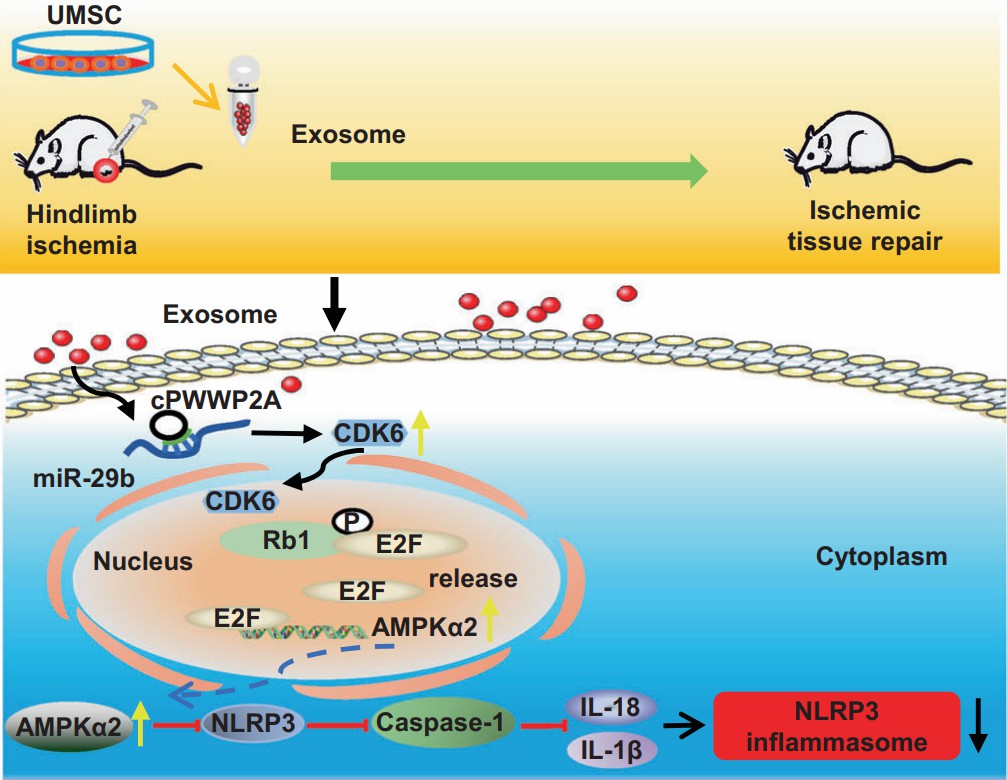 Fig.2 Beneficial effects of SC-Exo in repairing muscle injury.1
Creative Biolabs offers services to help study the complex classes of components and mechanisms of action of SC-Exo of different origins to help explore their application in repairing injured muscle. Please contact us to discuss your projects.
FAQs
Q: What types of stem cells do you work with for exosome derivation?
A: We utilize a variety of stem cell sources, including MSCs, iPSCs, and ESCs, each offering distinct advantages for exosome production.
Q: How do you ensure the purity and functionality of the exosomes produced?
A: We employ standardized isolation techniques such as ultrafiltration or size-exclusion chromatography, followed by characterization methods like nanopore tracking analysis and electron microscopy, to confirm exosome morphology, size, and functional markers.
Q: Can you assist in identifying molecular mechanisms through which exosomes exert their effects?
A: Yes, we provide services that include omics approaches, such as proteomics and RNA sequencing, to explore the molecular composition of exosomes and identify their signaling pathways underlying muscle repair.
Q: What specific muscle injury models can be utilized to assess the regenerative potential of exosomes?
A: We can utilize various animal models, such as rodent models of muscle injury, as well as in vitro 3D tissue-engineered models. These approaches allow us to thoroughly evaluate the therapeutic potential of exosomes in muscle repair and regeneration.
Q: How can research on stem cell-derived exosomes shift traditional approaches to muscle injury repair?
A: Research on exosomes highlights their potential to act as bioactive agents mediating intercellular communication, possibly reducing the reliance on direct cell transplant therapies and offering a less invasive strategy for promoting muscle regeneration.
Reference
-
Wang, Yanli, et al. "Stem cell-derived exosomes repair ischemic muscle injury by inhibiting the tumor suppressor Rb1-mediated NLRP3 inflammasome pathway." Signal Transduction and Targeted Therapy 6.1 (2021): 121. Distributed under Open Access license CC BY 4.0. The image was modified by extracting and using only Part n of the original image and revising the title.
For Research Use Only. Cannot be used by patients.
Related Services: