Stem Cell-derived Exosome Application
- Liver Injury Repair
Overview Services Features FAQs
SC-Exo (Stem cell-derived exosomes) play a significant role as a cutting-edge tool for intercellular communication to improve the repair of injury in the body. Creative Biolabs offers insights and services related to the application of SC-Exo in the repair of liver injury.
Overview of SC-Exo Applications in Liver Injury Repair
Numerous researchers have studied the use of SC-Exo based on the drug's mode of action in the healing of liver damage.
|
SC-Exo
|
Application
|
|
Bone marrow mesenchymal SC-Exo
|
Mesenchymal SC-Exo isolated from mouse bone downregulated the mRNA levels of prostaglandin-peroxide lactone synthase 2 and lipoxygenases, while restoring the protein level and function of SLC7A11 in primary hepatocytes and mouse liver, and alleviating iron death-induced acute liver injury.
|
|
Umbilical cord mesenchymal SC-Exo
|
Umbilical cord-derived mesenchymal SC-Exo were screened after RNA sequencing for enrichment of miR-148a capable of targeting Kruppel-like factor 6 in macrophages to promote their antiinflammatory phenotype and thus prevent liver fibrosis. In addition, it was also screened to contain miR-6-455p as a major functional molecule that attenuates macrophage infiltration and serum inflammation in a mouse model of chemical liver injury.
|
|
Bone marrow SC-Exo
|
Bone marrow-derived SC-Exo-mediated transfer of circDIDO1 prevents liver fibrosis by targeting miR-141-3p to inhibit hepatic stellate cell activation.
|
|
Deer antler SC-Exo
|
Deer antler SC-Exo showed restoration of normal liver parenchymal cell proliferation and increased antioxidant levels in a mouse model of acute alcoholic liver injury.
|
Ability of SC-Exo to Repair Liver Injury
The ability of SC-Exo to transport a number of bioactive substances that have a positive impact on liver repair.
Chronic liver failure
The positive effect of SC-Exo on liver function in liver failure was found to improve liver function in chronic liver failure by increasing serum albumin levels and lowering glutamate levels.
|
Acute liver injury
The therapeutic effects of SC-Exo in acute liver injury were also evaluated. The use of different concentrations of SC-Exo were able to improve liver function in acute liver injury in rats.
|
Acute liver failure
By encouraging cell growth and enhancing the body's immune system, SC-Exo also show promise in the treatment of acute liver failure.
|
Advantages of SC-Exo
-
SC-Exo have good biocompatibility and can be fully absorbed and utilized by tissue cells.
-
The ability of SC-Exo to exert pharmacological effects through paracrine actions (including secretion of cytokines, anti-inflammatory cytokines, etc.).
-
SC-Exo have immunomodulatory effects and can inhibit T cell proliferation.
-
SC-Exo have a strong migration ability in vivo and can cross the vessel wall to reach the lesion and promote regeneration of the injured liver.
-
The application of SC-Exo in liver injury repair has no significant side effects, and is well safe and well tolerated.
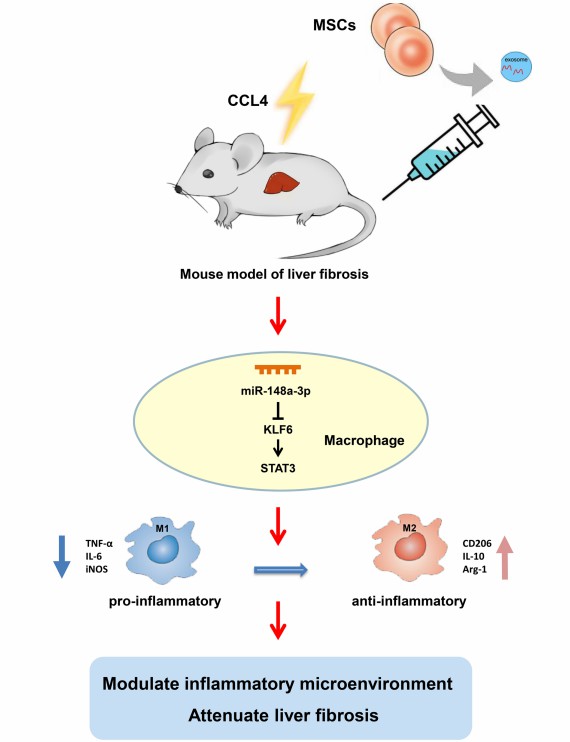 Fig. 1 SC-Exo attenuate liver fibrosis in mice.1
The use of SC-Exo for liver injury repair has been extensively studied, but several specific mechanisms of action are not yet fully understood and need to be further investigated. Creative Biolabs provides research services about SC-Exo to help clients better comprehend mending liver damage. Please contact us for more information.
FAQs
Q: What are the unique properties of SC-Exo that make them suitable for liver injury repair?
A: In the context of liver injury, these exosomes promote hepatocyte proliferation, modulate inflammatory responses, and stimulate tissue remodeling by transferring regenerative signals to damaged liver cells, thus enhancing the liver's intrinsic healing mechanisms.
Q: How do stem cell-derived exosomes compare to traditional stem cell therapies for liver injury?
A: Unlike traditional stem cell therapies, which involve the direct transplantation of cells, exosomes are cell-free and primarily function by delivering signaling molecules that drive regeneration. This reduces the risks associated with cell transplantation, such as immune rejection or tumor formation, while providing the therapeutic benefits of stem cells. Exosomes are also easier to store, transport, and administer compared to stem cells.
Q: Can stem cell-derived exosomes be modified to enhance their therapeutic potential for liver injury?
A: Yes, stem cell-derived exosomes can be engineered or modified to enhance their therapeutic potential. This includes loading them with specific molecules to target specific pathways involved in liver damage. Additionally, exosome surface modification can enhance their targeting capabilities to the liver, ensuring higher local concentration and increased regenerative effects.
Q: How do stem cell-derived exosomes influence liver inflammation in the context of liver injury?
A: Stem cell-derived exosomes can modulate both innate and adaptive immune responses in liver injury. They carry anti-inflammatory molecules like transforming growth factor-beta (TGF-β) and certain microRNAs (e.g., miR-146a) that suppress the release of pro-inflammatory cytokines. This modulation helps to create a regenerative environment, reducing the chronic inflammation that can lead to further liver damage and fibrosis.
Q: What types of preclinical studies support the use of stem cell-derived exosomes for liver injury repair?
A: Several preclinical animal models of liver injury, such as models of acetaminophen-induced liver damage, alcoholic liver disease, and non-alcoholic steatohepatitis (NASH), have demonstrated the efficacy of stem cell-derived exosomes in promoting liver regeneration. These studies report reductions in liver inflammation, improved liver function, and decreased fibrosis following exosome treatment.
Reference
-
Tian, Siyuan, et al. "Mesenchymal stem cell-derived exosomes protect against liver fibrosis via delivering miR-148a to target KLF6/STAT3 pathway in macrophages." Stem cell research & therapy 13.1 (2022): 330. Under open access license CC BY 4.0. The image was modified by revising the title.
For Research Use Only. Cannot be used by patients.
Related Services: