
Our Collaboration Process
Phase 1: Scope Definition
Our collaborative journey begins with a comprehensive consultation with our team of PhD-level scientists.
Phase 2: Customized Assay Design
Leveraging our extensive experience, we tailor a unique assay strategy specifically for you.
Phase 3: Rigorous Validation and Optimization
Before full implementation, we rigorously optimize and validate each assay using appropriate control standards and reference standards.
Phase 4: Execution and Advanced Data Acquisition
Our technical experts will execute the project using our advanced platform, generating high-fidelity quantitative data.
Phase 5: Integrated Analysis and Reporting
Our bioinformatics team will provide comprehensive analysis, including advanced biostatistics, pathway enrichment analysis, and intuitive data visualization.
Find the Right Immuno-Oncology Assays for Your Research
Selecting the appropriate I-O assay is paramount for successful target validation, drug discovery, and preclinical assessment. Our core technologies span the full spectrum of analysis, from cellular phenotype and function to deep molecular and secretomic insights.
GTOnco™ I-O Assays for In Vitro Study
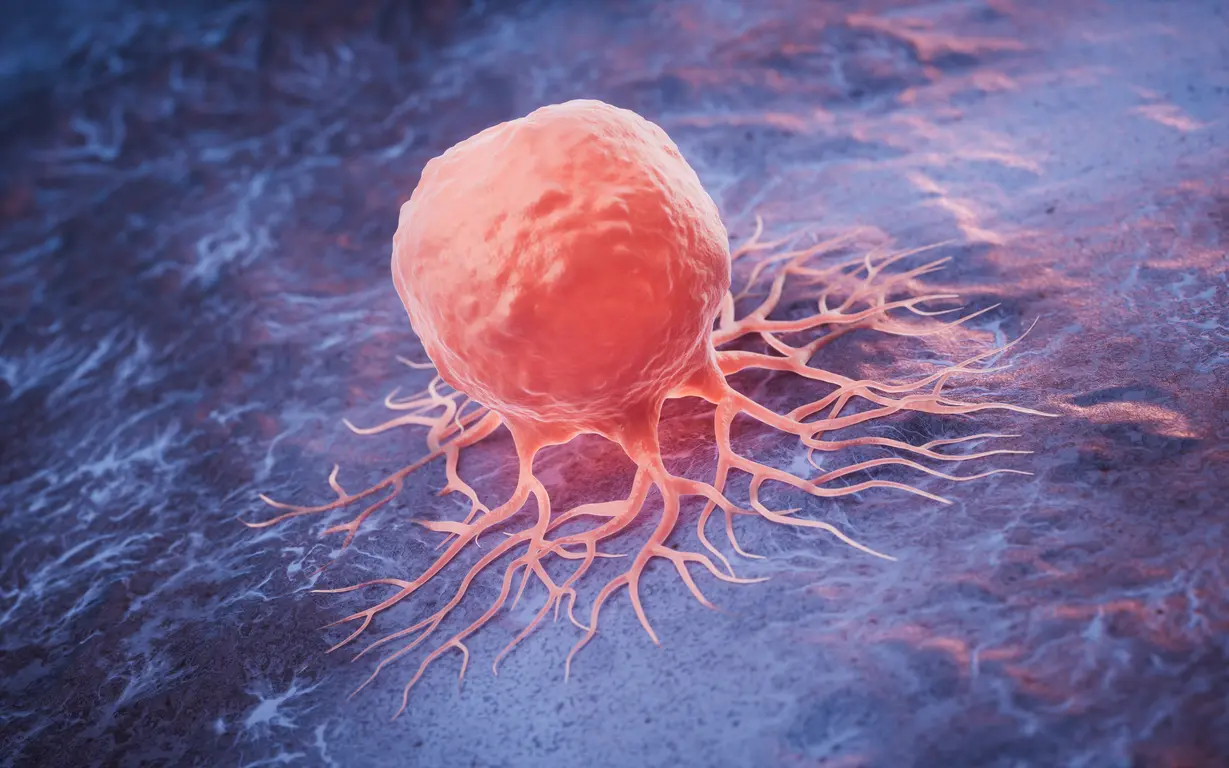
Creative Biolabs has leveraged the cutting-edge technologies to build a groundbreaking platform for in vitro immune responses analysis of gene therapy-based I-O agents, including immune system activation study (T and B cells, natural killer cells, macrophages, and dendritic cells, as well as tumor cells) and immune cell-mediated anti-tumor effect study, etc.
- Application: Immunogenicity assessment of gene therapy vectors (e.g., AAV); potency analysis for novel cytokine gene therapies; mechanistic studies of oncolytic viruses and their ability to activate the immune system in vitro.
- Advantages: Highly customized to address the unique challenges of gene therapy products.
GTOnco™ I-O Assays for In Vivo Study
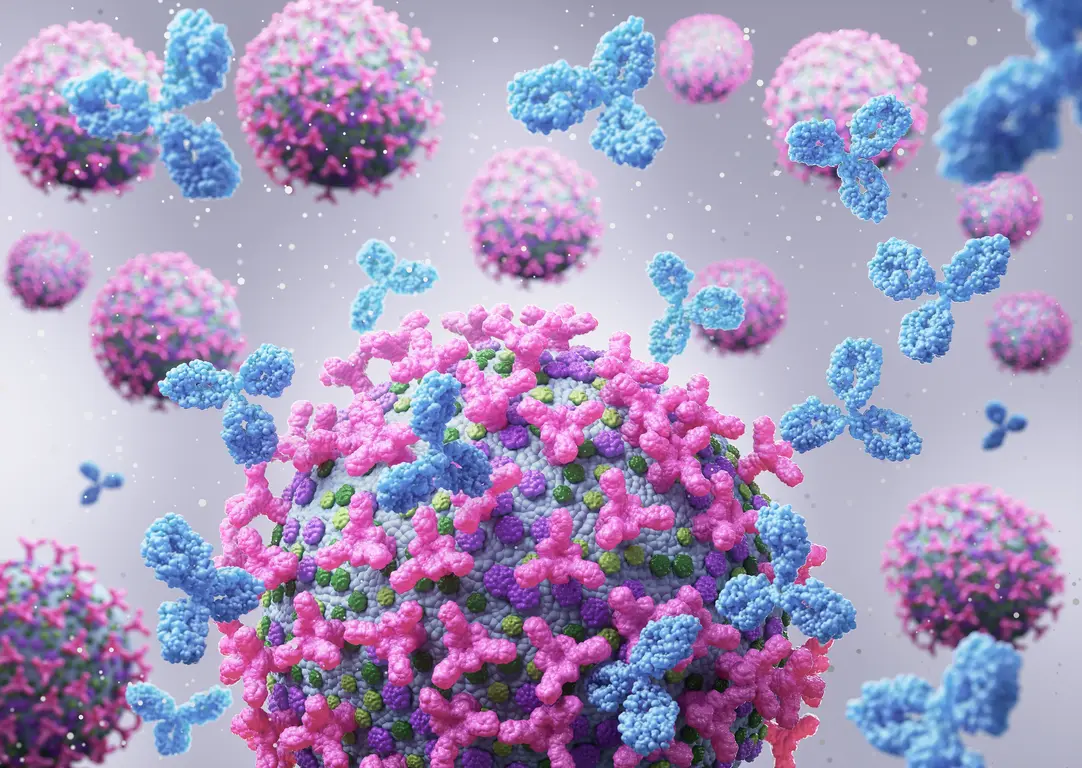
Various robust animal models and assay systems have been successfully established at GTOnco™ platform to greatly facilitate the in vivo studies of gene therapy-based I-O products with less time and cost.
- Application: In vivo efficacy and PD assessment of I-O agents; analysis of the anti-tumor immune response profile, including T cell infiltration, cytokine milieu changes, and checkpoint molecule expression in the TME.
- Advantages: Syngeneic models offer a clinically relevant, intact immune system context
- Disadvantages: High cost and long duration of animal studies
Immune Cell Profiling
Flow Cytometry is a single-cell analysis technique using fluorescently-labeled antibodies for rapid, quantitative multi-parameter protein analysis.
- Application: Used to identify and characterize rare or functionally distinct immune subsets, such as resident memory T cells, myeloid-derived suppressor cells (MDSCs), or exhausted T cell populations, serving as a core pharmacodynamic (PD) endpoint.
- Advantages: High throughput and single-cell resolution.
- Disadvantages: Lack of spatial context.
Other Immuno-Oncology Assays
Luminex & MSD Assays
High-throughput, multiplex quantification technologies that allow for the simultaneous detection of dozens of soluble factors in small volumes of serum, plasma, or cell culture supernatant.
scRNA-seq & TCR/BCR Sequencing
Single-cell RNA sequencing (scRNA-seq) provides unbiased, transcriptome-wide information at the resolution of individual cells, revealing heterogeneity.
Spatial Transcriptomics (ST)
ST is a next-generation sequencing method that maps gene expression data back to their precise physical location within tissue sections.
Label-Free Real-Time Cell Analysis (RTCA)
RTCA systems use microelectrodes embedded in electrophoresis plates to measure electrical impedance.
High-Throughput Screening (HTS)
HTS is used to rapidly test thousands of compounds to obtain simple biological reads (e.g., cell viability).
Multiple Phosphorylated Protein Detection
Unlike total protein detection, these detections measure specific phosphorylation events.
GTOnco™ Platform
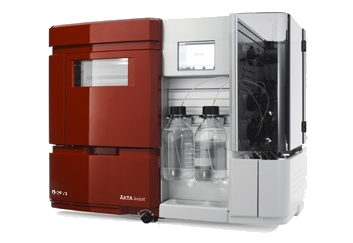
ÄKTA Avant Chromatography
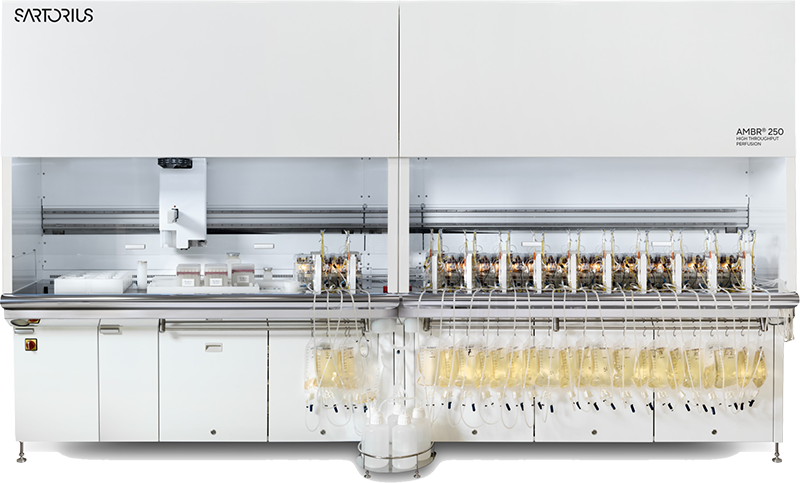
Sartorius Ambr® 250 Bioreactors
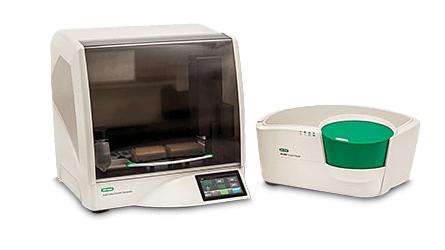
Bio-Rad QX200™ ddPCR System
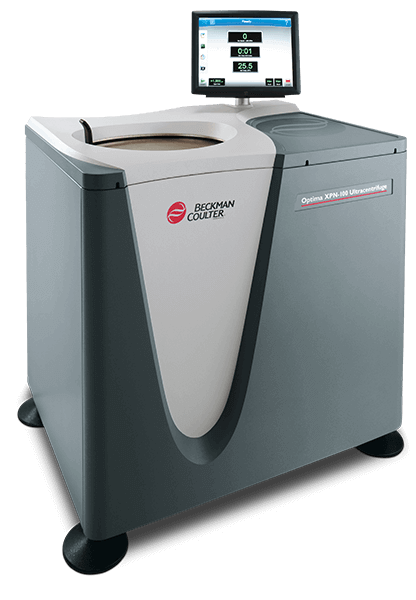
Beckman Coulter Optima XPN
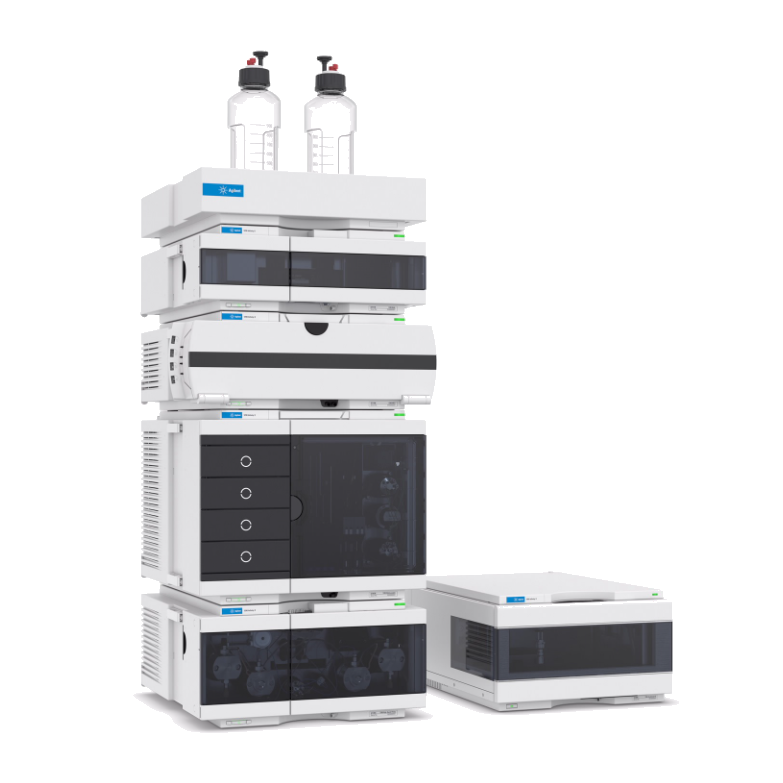
Agilent Infinity III HPLC
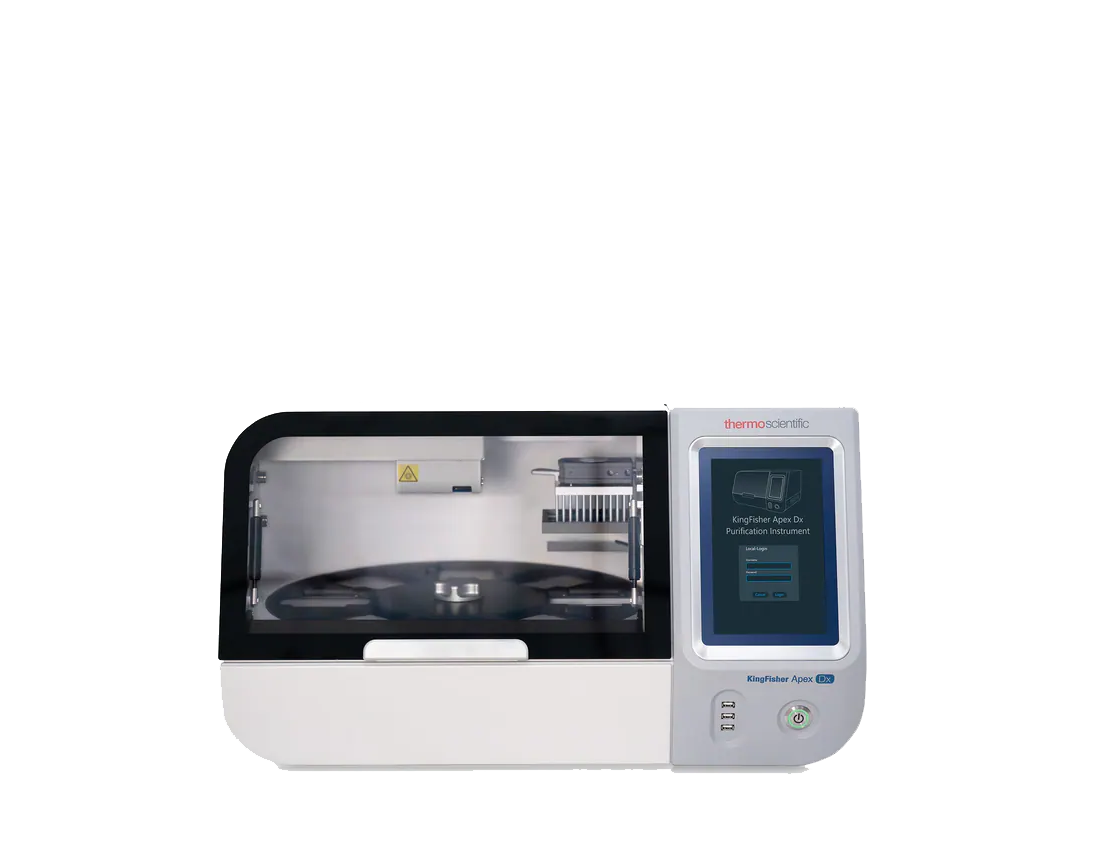
Thermo Fisher KingFisher™
ÄKTA Avant Chromatography
Sartorius Ambr® 250 Bioreactors
Bio-Rad QX200™ ddPCR System
Beckman Coulter Optima XPN
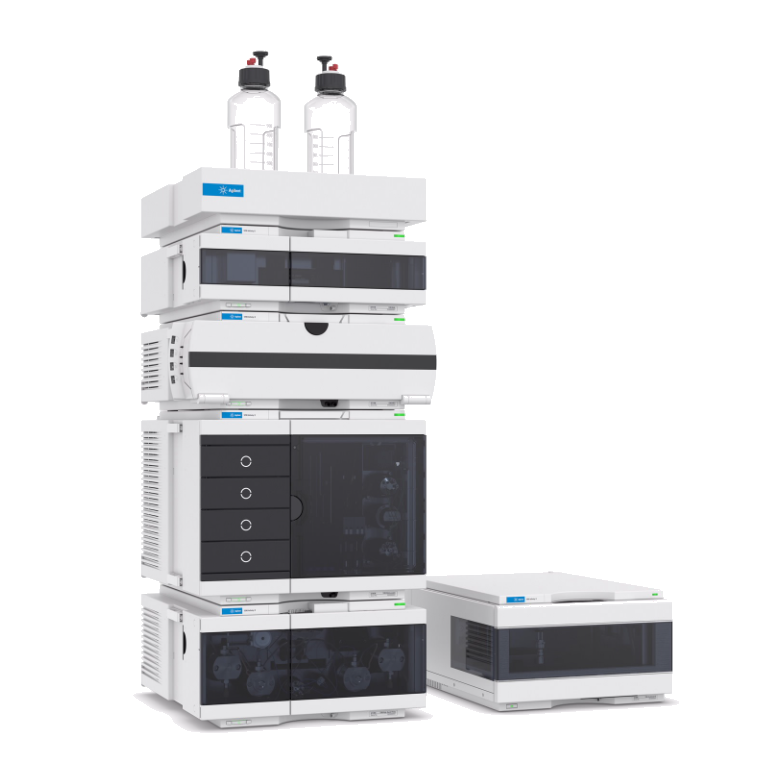
Agilent Infinity III HPLC
Thermo Fisher KingFisher™
Customer Review

Dr. Emily Vance
Senior Director of Translational Research
"Creative Biolabs is a key partner in our research on the mechanism of action of our novel innate immune agonist. Their proposed multiplex cytokine assay and CyTOF analysis of post-treatment tumor digests revealed an unexpected shift in macrophage polarization, a crucial component of our clinical development strategy. Their scientific insights are exceptional."

Professor Alessandro Rossi
Head of the Department of Immuno-Oncology
"We needed in-depth analysis of T-cell libraries from longitudinal patient samples in our neoadjuvant immunotherapy trial. The team's expertise in TCR sequencing and their sophisticated bioinformatics workflow for clone tracking provided us with high-impact, publishable data that elucidated factors relevant to efficacy."

Dr. Kenji Tanaka
Chief Scientific Officer
"Their comprehensive CAR-T suite was critical to our IND application. Real-time cytotoxicity data and persistence tracking in our PDX model instilled confidence in us and regulatory agencies regarding the efficacy of our product. Truly collaborative and trustworthy partners."










.svg)

Frequently Asked Questions
Co-culture experiments typically involve tumor cells and effector immune cells (T cells, NK cells), and their importance lies in their ability to simulate the cell-cell communication and dynamic interactions that define the tumor microenvironment (TME). Simple single-culture experiments cannot capture key phenomena such as immune checkpoint-mediated inhibition or the impact of tumors on immune cell function, leading to insufficient predictive data.
We prioritize the use of clinically relevant cell models, such as patient-derived primary cells, allogeneic T cell donors, and tumor-derived organoids. Our assays are typically validated to track established clinical biomarkers (e.g., IFN-γ levels, T cell exhaustion markers), thereby ensuring a direct link between in vitro activity and expected in vivo and clinical outcomes.
GEO (Gene Expression Comprehensive Database) is an open-source functional genomics data repository. By providing data in GEO-compliant formats (e.g., gene expression profiling, cytokine analysis), we promote open science, enabling researchers worldwide to validate findings, conduct meta-analyses, and discover new biomarkers. This open data contribution increases the visibility of our clients’ discoveries and accelerates collaborative progress in immuno-oncology research.
A standard project, from final assay design to final report, typically takes 3-5 weeks. Complex custom protocols or large sample cohorts may extend the timeframe, as specified in the project proposal.
We provide detailed, assay-specific sample collection and transport protocols. We prioritize the minimum required sample volume and often design nested assays to maximize data acquisition from limited samples (e.g., fine-needle aspiration or core biopsy).
Absolutely. Detection method development is one of our core strengths. Our R&D team focuses on developing, optimizing, and validating novel detection methods to address unique research challenges, such as the quantitative analysis of new soluble checkpoints or the construction of novel reporter cell lines.
Connect with Us Anytime!
Creative Biolabs is specialized in gene therapy-based I-O drugs development and capable of designing and developing custom assay services to greatly accelerate your drug discovery process and expedite their IND application. With the in-depth scientific and technical expertise, we will be your best partner in the gene therapy-based I-O drugs development field.
Please feel free to contact us by E-mail for a quote and further discussion with our scientists. Looking forward to cooperating with you.
Contact us todayReference
1. Sauer A V, Brigida I, Carriglio N, et al. Autoimmune dysregulation and purine metabolism in adenosine deaminase deficiency. Frontiers in immunology, 2012, 3: 265. https://doi.org/10.3389/fimmu.2012.00265 (Distributed under Open Access license CC BY 4.0, without modification.)
Start Your Project Today
Tell us about your project, and our experts will get back to you with a customized quote and proposal.
