Our kits enable precise identification and quantification of immune cell subsets, such as T-cells, B-cells, NK cells, and monocytes, within complex biological samples. This is crucial for diagnosing immunodeficiencies, monitoring immune responses in infectious diseases like HIV, and characterizing cellular infiltrates in autoimmune disorders.
At Creative Biolabs, we specialize in developing advanced flow cytometry (FC)-based kits, particularly for in vitro diagnostics (IVD). Leveraging extensive expertise in FCM platforms and related products, we partner with the biotech and pharmaceutical industries. Our adaptable manufacturing processes ensure we meet diverse client requirements, delivering tailored solutions for critical applications.
Flow Cytometry
FC is a powerful biophysical technology that enables rapid, multiparametric analysis of individual cells or particles suspended in a fluid. This technique is fundamental across diverse scientific disciplines, from basic research to clinical diagnostics, providing unparalleled insights into cellular characteristics. It allows for the precise identification, quantification, and characterization of cell populations within heterogeneous samples.
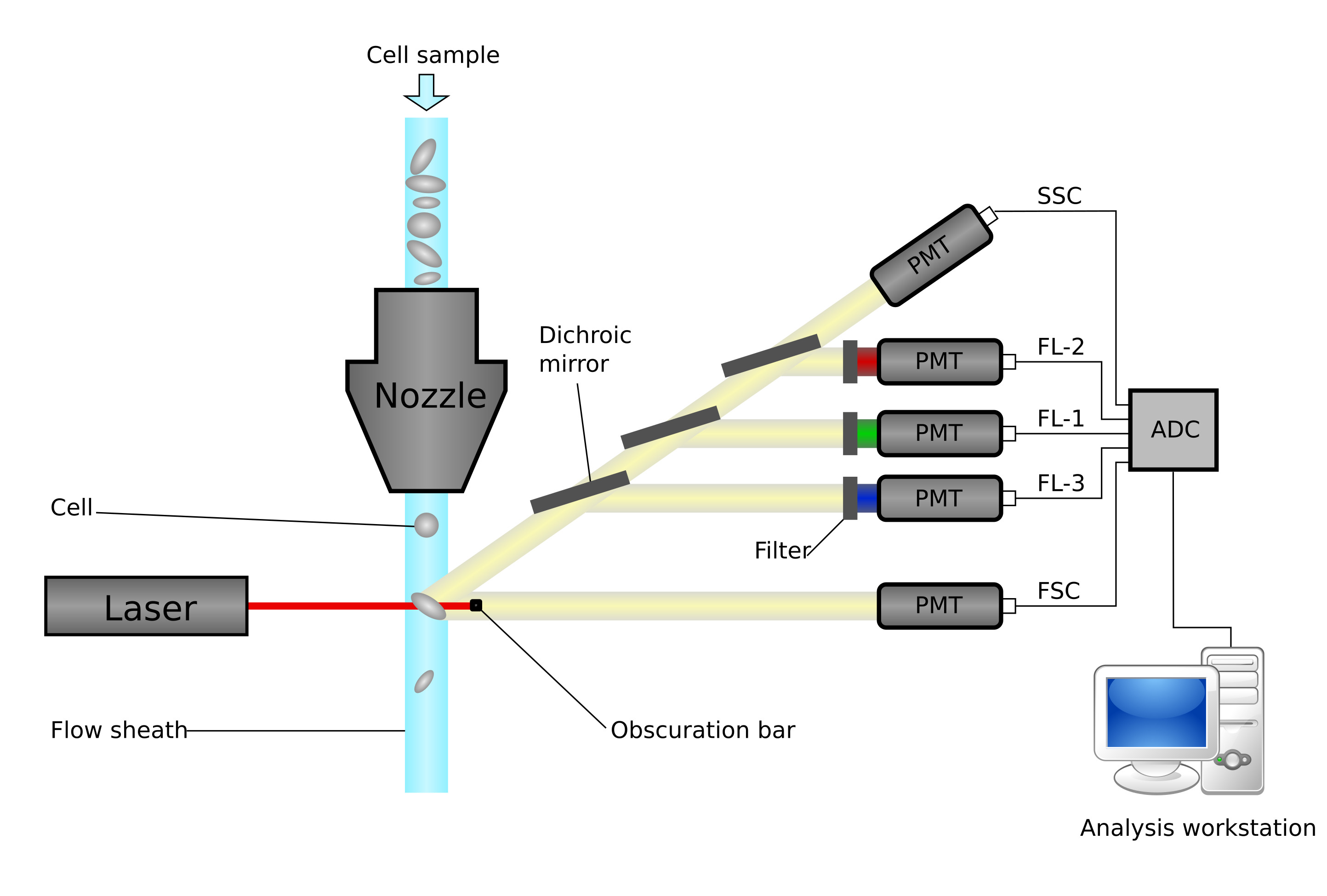 Fig.1 Schematic of flow cytometry setup.Distributed under CC BY 3.0, from Wiki, without modification.
The core principle involves hydrodynamically focusing cells into a single stream, passing them through one or more laser beams. As each cell intercepts the laser, it scatters light (forward scatter, FSC, indicating size; side scatter, SSC, indicating granularity) and emits fluorescence from bound fluorochromes. Optical detectors capture these signals, converting them into digital data for computer-based analysis, enabling simultaneous measurement of multiple parameters per cell.
Advantages of Our FC Platform
- Multiparametric Analysis: Simultaneously measures numerous cellular parameters, including size, granularity, and multiple fluorescent markers, from individual cells. This allows for comprehensive characterization of complex cellular phenotypes.
- High Throughput: Capable of analyzing thousands of cells per second, significantly accelerating experimental workflows and data acquisition compared to traditional methods.
- Quantitative and Objective Data: Provides precise, numerical data on cellular properties, reducing subjectivity and enhancing the reproducibility of results.
- Cell Sorting Capability (FACS): Specialized flow cytometers can physically isolate specific cell populations of interest based on their measured characteristics, enabling downstream functional studies.
- Versatility: Compatible with a wide range of sample types, including blood, bone marrow, dissociated tissues, and even microorganisms, making it broadly applicable across research and clinical settings.
Our FC Based Kits Development Services
Creative Biolabs offers comprehensive custom FC-based kit development, transforming your research or diagnostic needs into high-performance, reliable solutions. Our service covers the entire development lifecycle, from concept to final product, ensuring analytical precision. We specialize in crafting bespoke antibody cocktails, optimizing fluorochrome combinations for multi-color panels, and developing robust protocols tailored to your unique targets. Our expertise ensures kits deliver superior sensitivity, specificity, and reproducibility, empowering accurate, consistent FC assay results.
Service Workflow of FC Based Kits Development
Our FC-based kit development projects follow a structured, client-centric workflow to ensure optimal outcomes:
01Initial Consultation & Needs Assessment
We begin with an in-depth discussion to understand your specific research objectives, target analytes, sample types, instrument capabilities, and regulatory requirements (e.g., IVD). This phase defines the scope and key performance indicators for your custom kit.
02Feasibility Study & Panel Design
Our experts conduct a thorough feasibility assessment, including literature review and preliminary experiments, to identify optimal antibody clones and fluorochrome pairings. We design multi-color panels, considering spectral overlap and antigen expression, to maximize data resolution.
03Reagent Selection & Conjugation
High-quality raw materials, including antibodies and fluorochromes, are selected. We perform precise conjugation and formulation of antibody cocktails and other reagents, ensuring stability and performance.
04Prototype Development & Optimization
Initial kit prototypes are developed. Rigorous optimization steps are undertaken for staining protocols, wash steps, and buffer compositions to achieve maximum signal-to-noise ratio and minimize non-specific binding.
05Validation & Quality Control
Prototypes undergo extensive validation for specificity, sensitivity, linearity, precision, and stability using relevant biological samples. Comprehensive quality control assays are performed on every batch to guarantee consistent performance.
06Documentation & Final Delivery
Detailed documentation, including product specifications, protocols, and validation reports, is prepared. The finalized, high-performance custom kit is then delivered, ready for your critical applications.
Applications
Immunophenotyping
Oncology and Hematological Malignancies
We develop kits for the diagnosis, prognosis, and monitoring of various cancers, particularly leukemias and lymphomas. Our solutions facilitate the detection of aberrant cell populations, assessment of tumor heterogeneity, and highly sensitive Minimal Residual Disease (MRD) detection, which is vital for evaluating treatment efficacy and predicting relapse.
Cell Cycle and Proliferation Analysis
Our specialized kits allow researchers to accurately determine the cell cycle phase distribution (G0/G1, S, G2/M) and measure cellular proliferation rates. These assays are critical for studying cell growth dynamics, assessing the impact of therapeutic agents on cell division, and understanding developmental processes.
Apoptosis and Cell Viability Studies
Kits are designed to identify and quantify apoptotic or necrotic cells based on specific markers (e.g., Annexin V, propidium iodide). This is essential for evaluating drug toxicity, understanding programmed cell death mechanisms, and assessing overall cell health in various experimental contexts.
Drug Discovery and Development
Our custom kits support high-throughput screening and functional assays in drug development. They enable the precise measurement of receptor occupancy, intracellular signaling pathways (e.g., phosphoflow), and the effects of novel compounds on cellular activation, differentiation, and overall function, accelerating lead candidate identification.
Published Data
1. Development of High-Throughput FLIM Flow Cytometry
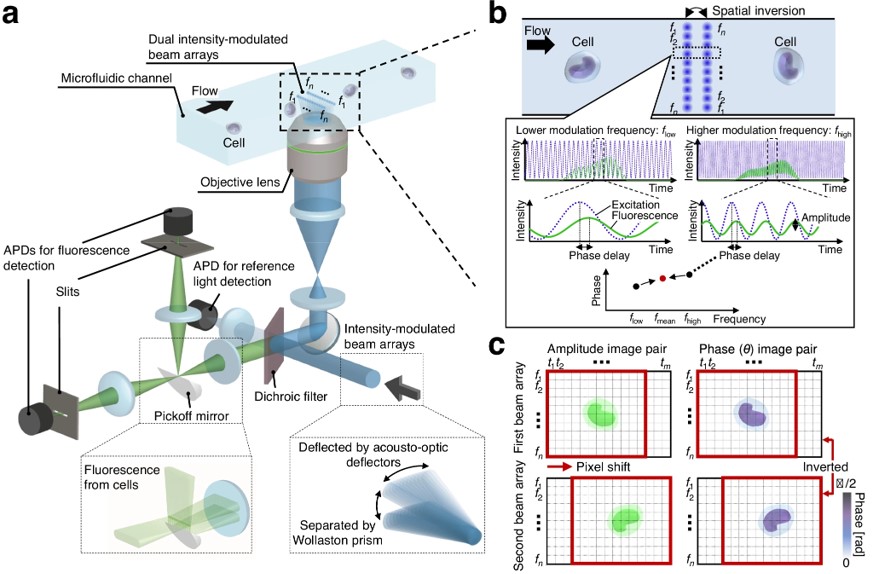 Fig.2 Design of high-throughput FLIM flow cytometry.1
This study introduces a breakthrough in lifetime imaging microscopy (FLIM) speed, enabling high-throughput FLIM flow cytometry by surpassing previous frame rate limits of 1000-2000 fps. A continuous-wave laser is modulated within a narrow bandwidth (<222 MHz) to create two intensity-modulated beam arrays with complementary frequencies, enabling rapid and accurate fluorescence lifetime imaging of flowing cells. The FLIM system successfully differentiates subpopulations within male rat glioma and monitors real-time changes in the cell nucleus triggered by anti-cancer drug treatment. FLIM flow cytometry enhances cellular analysis, offering detailed insights into cell functions, interactions, and environments.
2. Development of Flow Cytometry for Precise Analysis of sEVs
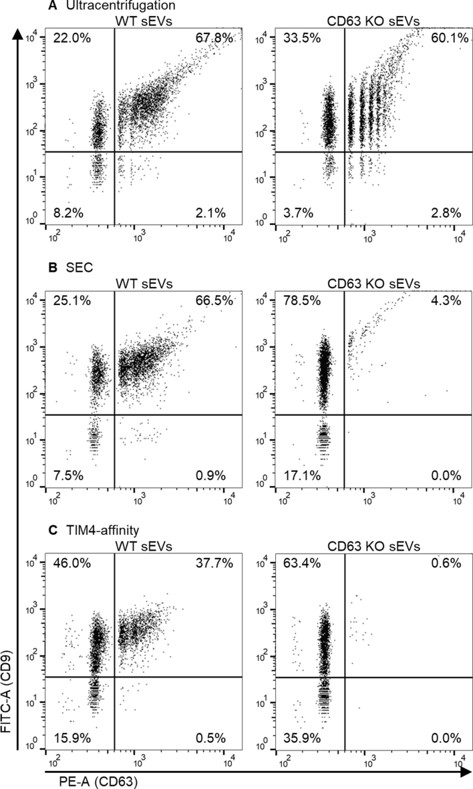 Fig.3 Evaluation of different washing methods to analyze sEV heterogeneity.2
This study compares four different preparation methods for FCM analysis of tetraspanin-deficient small extracellular vesicles (sEVs): ultracentrifugation, density gradient centrifugation, SEC, and the TIM4-affinity isolation method. The ultracentrifugation and density gradient methods show high false-positive rates in tetraspanin staining, while SEC and TIM4-affinity methods allow for specific sEVs detection. These techniques assist in investigating the functions of sEV biogenesis regulators and identify subpopulations of sEVs. Additionally, they are valuable for detecting rare disease-related markers like PD-L1. SEC and TIM4-affinity FCM could accelerate sEV biogenesis research and aid in sEV-based diagnostics and therapies.
Service Highlights
- Expert Panel Design: Our experienced immunologists and cytometrists meticulously design multi-color panels, optimizing fluorochrome and antibody combinations for minimal spectral overlap, enhanced signal resolution, and robust data acquisition.
- Rigorous Validation: Every custom kit undergoes extensive, multi-layered validation covering specificity, sensitivity, linearity, and batch consistency, guaranteeing reliable, reproducible results.
- Flexible Manufacturing: Our state-of-the-art facilities offer unparalleled production flexibility, adapting to your volume needs from prototypes to large-scale commercial production while maintaining quality.
- Comprehensive Technical Support: Beyond delivery, we provide dedicated post-delivery technical support, assisting with protocol optimization, troubleshooting, and data interpretation to maximize kit utility.
FAQs
-
Q: How do you ensure antibody specificity in custom FC kits?
A: We guarantee antibody specificity through a multi-faceted approach. This includes selecting highly validated clones, conducting rigorous in-house testing with isotype and FMO controls, and performing comprehensive validation studies using relevant biological samples. These steps confirm precise binding and eliminate off-target interactions, ensuring accurate and dependable results.
-
Q: What sample types can your custom FC kits be optimized for?
A: Our custom kits are highly versatile, optimized for diverse sample types, including peripheral blood, bone marrow, dissociated tissues, and various biological fluids like cerebrospinal fluid. Our development process includes specific optimization for each matrix, addressing challenges such as cell viability and non-specific binding, ensuring reliable performance across your unique samples.
-
Q: Can you assist with a complex multi-color panel design?
A: Absolutely, complex multi-color panel design is a core strength. Our expert immunologists and cytometrists leverage deep knowledge of fluorochrome properties, spectral overlap, and antigen expression. We collaborate closely to understand your biological questions and instrument capabilities, using advanced tools to design optimized panels that maximize detectable markers and signal resolution while minimizing compensation issues.
-
Q: What are the benefits of choosing a custom kit over off-the-shelf reagents?
A: Custom kits from Creative Biolabs offer significant advantages: precise tailoring to your experimental needs ensures optimal performance and superior data quality. They streamline workflows with ready-to-use cocktails, reducing preparation time and errors. Custom solutions also address unique challenges like rare cell analysis or specific biomarker detection that standard kits cannot, accelerating your research.
-
Q: How do you ensure the long-term stability of your custom FC kits?
A: Long-term stability is critical. We employ advanced formulation techniques, including stabilized (dry-down or lyophilized) formats, to preserve reagent integrity. Comprehensive real-time and accelerated stability studies under various storage conditions determine and validate shelf life. These tests ensure consistent performance, sensitivity, and specificity throughout the kit's lifespan.
-
Q: Can you develop kits for rare cell population analysis?
A: Yes, we specialize in highly sensitive kits for rare cell population analysis. We optimize antibody concentrations, select bright fluorochromes with minimal background, and refine staining protocols to maximize signal-to-noise ratios. We also focus on minimizing cell loss and ensuring compatibility with high-throughput acquisition, enabling robust detection of infrequent cellular subsets.
Creative Biolabs has many years of experience and advanced technological capabilities in operating lots of biotechnologies, including FCM. We combine the most developed facilities and automated equipment with proven expertise in FCM and providing its corresponding kits and services for the area of IVD. With the assistance of us, the FCM-based kit development is able to fit the cell selection and detection as clients’ application requires. For more detailed information, please feel free to contact us.
References
- Kanno, Hiroshi, et al. "High-throughput fluorescence lifetime imaging flow cytometry." Nature Communications 15.1 (2024): 7376. Distributed under Open Access license CC BY 4.0. The image was modified by extracting and using only part of the original image.
- Kobayashi, Hisano, et al. "Precise analysis of single small extracellular vesicles using flow cytometry." Scientific Reports 14.1 (2024): 7465. Distributed under Open Access license CC BY 4.0, without modification.
For Research Use Only.