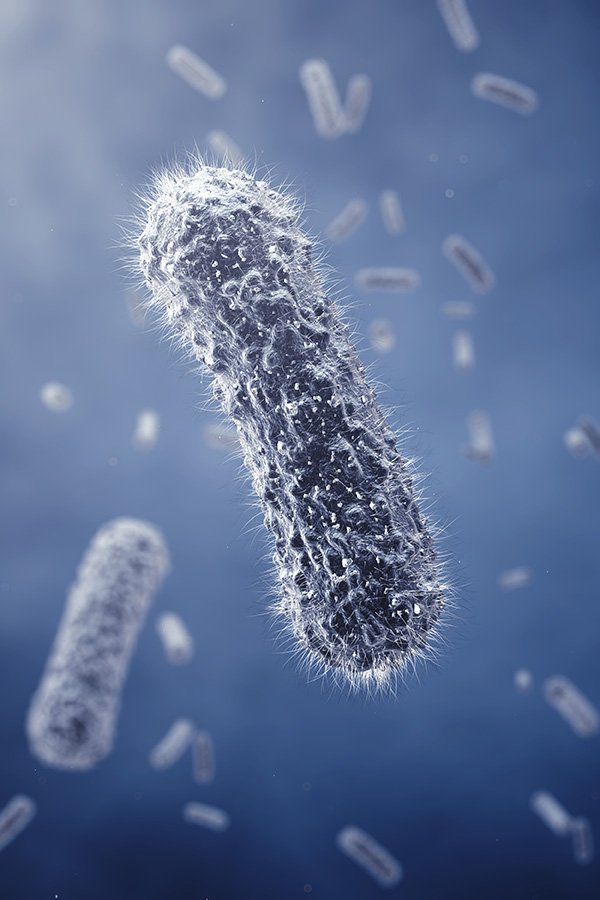

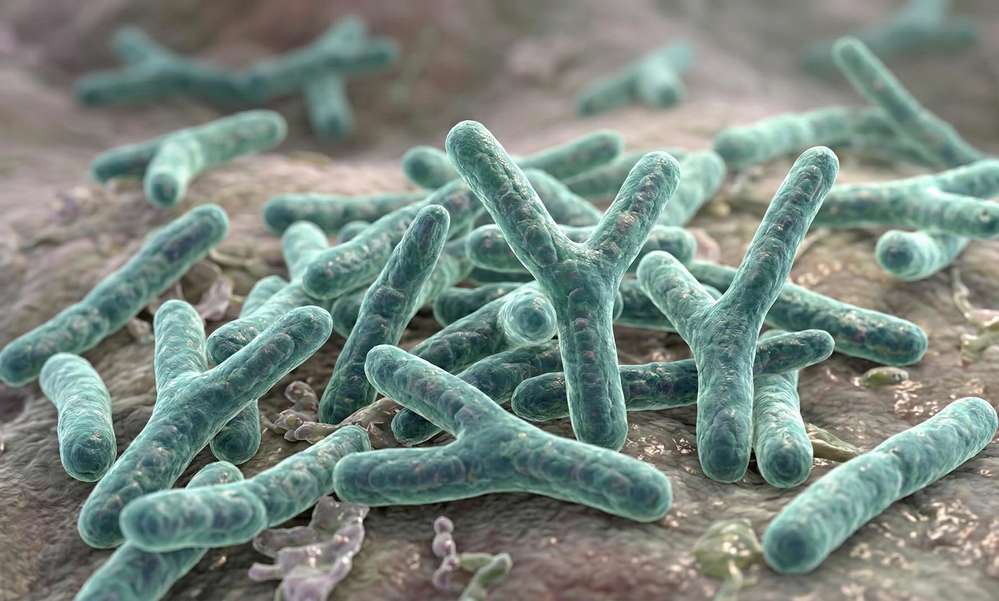
The human gastrointestinal tract houses a complex ecosystem where symbiotic relationships dictate host physiological homeostasis. Among the most influential residents is Bifidobacterium longum (B. longum), a gram positive anaerobe that colonizes the infant gut early in life and persists as a cornerstone of a healthy adult microbiota. While the health promoting effects of this probiotic, ranging from pathogen exclusion to metabolic regulation, are well documented, the underlying molecular mechanisms remain a focal point of contemporary gastroenterology and immunology.
Recent shifts in microbial research highlight that bacteria do not merely interact through direct contact or secreted metabolites; they also employ a sophisticated long distance communication system involving exosomes. These nano sized, membrane bound structures, often referred to as exosomes due to their functional similarity to eukaryotic counterparts, serve as specialized delivery vehicles. Research into exosomes derived from B. longum is driven by the need to decipher how these nonliving bacterial components cross the intestinal barrier to modulate systemic immunity and distal organ function. Understanding these vesicles represents a paradigm shift from traditional probiotics (live bacteria) to postbiotics (bioactive components), providing a safer, more stable, and highly controllable strategy for therapeutics based on microbiome.
Collaborate With Our Scientists to Advance Bifidobacterium longum Exosome Research
Exosomes derived from B. longum exhibit unique biochemical and structural attributes that distinguish them from vesicles produced by other commensal or pathogenic species. These intrinsic properties support their development as therapeutic candidates.

As derivatives of an organism classified as Generally Recognized as Safe (GRAS), these exosomes demonstrate favorable safety profiles, minimizing the risk of adverse inflammatory responses often associated with outer membrane vesicles from gram negative bacteria.
These vesicles are enriched with specific functional molecules, including:
Extracellular solute binding proteins are essential for nutrient uptake and immune signaling.
Adhesive multifunctional proteins facilitate interactions with the mucosal surface.
Immunomodulatory nucleic acids, protected within the lipid bilayer from enzymatic degradation.
The lipid membrane protects sensitive cargo from the harsh acidic and proteolytic environment of the digestive tract, resulting in improved bioavailability compared with free proteins or RNA.
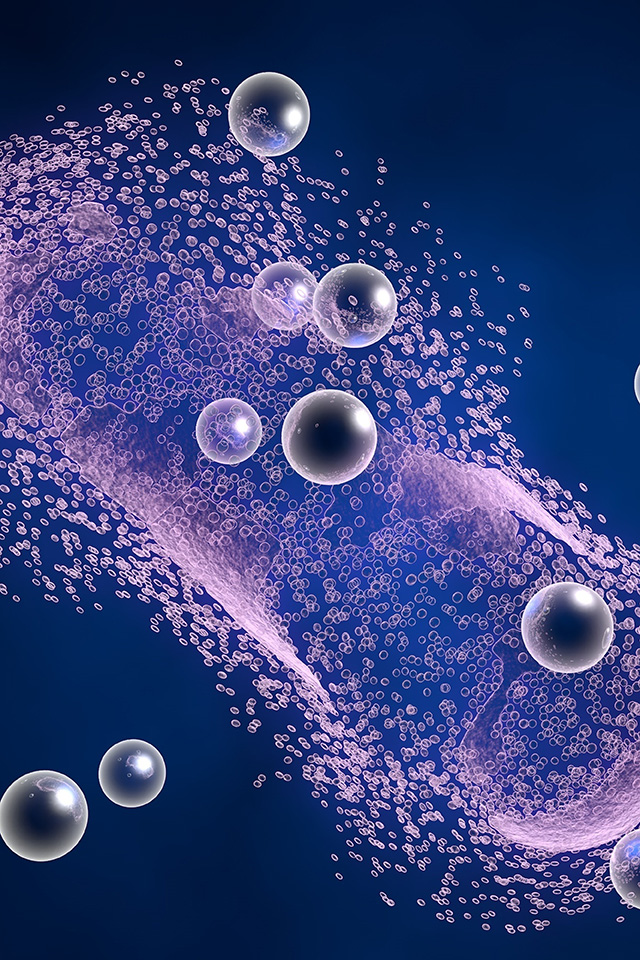
Unlike intact bacterial cells, these particles with diameters of approximately 50 to 160 nanometers penetrate the mucus layer, allowing them to reach underlying dendritic cells and macrophages and initiate systemic immune signaling.
Work With Our Experts to Translate B. longum Exosomes into Applications
The scientific community has made progress in characterizing the biological effects these exosomes across multiple disease models. The table below summarizes representative findings that highlight the functional diversity of these vesicles.
| Research Focus | Key Mechanistic Insights |
|---|---|
| Allergy suppression | Proteins within these exosomes bind to mast cells, induce apoptosis, and alleviate food allergy symptoms. |
| Intestinal colonization | Exosomes transport mucin binding proteins enhance adhesion of the parent strain to the intestinal epithelium. |
| Immune adjuvant activity | Extracellular solute binding proteins stimulate interleukin 6 production in macrophages, promoting IgA secretion in Peyer's patches. |
| Antiphlogistic effects | Exosomes enriched in ABC transporters and quorum sensing proteins induce interleukin 10 release, supporting immune tolerance. |
| Oncology support | Restores carboplatin sensitivity in ovarian cancer cells by regulating phosphorylation of p53 at serine 15. |
| Liver protection | Reduces liver fibrosis and oxidative stress by downregulating TGF beta 1 expression and Smad3 phosphorylation. |
| Colitis management | Alleviates ulcerative colitis by inhibiting the STAT3 pathway and modulating T cell differentiation independent of gut microbiota composition. |
Partner With Our Scientists to Unlock this Potential
The therapeutic potential of B. longum derived exosomes extends well beyond intestinal health. Their capacity to cross biological barriers and interact with diverse cell populations positions them as versatile tools in modern medicine.
By stimulating defined cytokine responses such as tumor necrosis factor alpha and interleukin 6, and by enhancing IgA production, these exosomes are being evaluated as natural and safe enhancers of oral vaccines and cancer immunotherapy strategies.
The inherent affinity of these vesicles for mucosal tissues and immune cells makes them attractive carriers for engineered delivery of small molecule drugs or small interfering RNA to treat localized intestinal inflammation or systemic autoimmune diseases.
Studies in ovarian and liver cancer models demonstrate that B. longum exosomes can modulate intracellular signaling pathways to suppress tumor progression or restore responsiveness to conventional chemotherapy, offering synergistic treatment opportunities.
Emerging evidence suggests that these vesicles influence lipid metabolism by regulating bile acid pathways and reducing systemic inflammation, potentially contributing to the management of elevated cholesterol levels and atherosclerosis.
Engage Our Research Team to Design Your B. longum Exosome Strategy
Creative Biolabs is positioned at the forefront of exosome research, offering an integrated platform for the isolation, characterization, and functional validation of vesicles. Our scientific team provides solutions to accelerate translation from laboratory research to development.

Advanced methodologies, such as tangential flow filtration and ultracentrifugation, are employed to obtain high purity exosomes while preserving biological activity.
Analysis of host cell receptors and downstream genetic pathways affected by exosome administration.
Creative Biolabs remains committed to advancing the next generation of microbiome derived therapeutic technologies by transforming biological signaling vesicles into actionable solutions.
Design Your Bifidobacterium longum Exosome Solution with Our Experts
To support researchers worldwide, Creative Biolabs offers customizable production of exosomes manufactured under strict quality control standards to ensure experimental reproducibility.
 Custom exosome isolation
Including exosome isolation from client specified strains or isolates with optimized culture conditions.
Engineered exosomes
Featuring surface modification or customized cargo loading for specific research needs, including fluorescent labeling or therapeutic molecule incorporation.
Exosome Isolation Kits
Purchasing our bacterial exosome extraction kit to extract exosomes in your own laboratory.
Build Custom B. longum Exosome Platforms with Scientific Precision
A: Exosomes provide an approach without living cells, eliminating risks such as bacterial translocation or transfer of antibiotic resistance genes. Their small size allows deeper tissue penetration and enhanced stability under conditions that compromise bacterial viability.
A: Yes. The lipid bilayer of exosomes protects internal cargo, and a proportion of orally administered vesicles remain intact and functional upon reaching the distal intestine.
A: Depending on culture conditions and isolation methods, vesicle diameters generally fall between 50 and 160 nanometers.
A: A multistep purification workflow removes flagella, pili, and large cellular debris. Purity is verified by particle to protein ratios.
Tailor Your B. longum Exosome Research with Scientific Support