
The transition from probiotics to Lactobacillus acidophilus derived exosomes (LAExos) is driven by the clinical need for enhanced safety, stability, and targeted delivery. While live probiotics offer undeniable benefits, they present challenges in immunocompromised populations, such as the risk of bacteremia or the horizontal transfer of antibiotic resistance genes.
Studying LAExos allows researchers to harness the intrinsic therapeutic potential of the bacterium while bypassing the complexities of live microbial colonization. These vesicles serve as stable biological containers that protect delicate payloads—such as bacteriocins and regulatory RNAs—from the harsh proteolytic environment of the gastrointestinal tract. By deciphering the biogenesis and functional repertoire of these exosomes, we unlock a potent toolkit for treating chronic inflammation, metabolic disorders, and even neurodegenerative pathologies via the gut‑brain axis.
Collaborate with Exosome Experts. Request Your Technical Consultation Today.
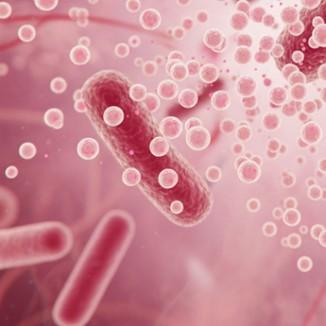
The unique physicochemical properties of LAExos provide several distinct advantages over synthetic liposomes or mammalian derived exosomes:
 Intrinsic Biocompatibility and Low Immunogenicity
As a generally regarded as safe organism, Lactobacillus acidophilus produces vesicles that are evolutionarily tolerated by the human mucosal immune system, minimizing adverse inflammatory responses.
Enhanced Stability
These vesicles are architecturally robust, capable of maintaining structural integrity across a wide pH range, which is critical for oral delivery applications.
Natural Payload Enrichment
Unlike synthetic carriers, LAExos are naturally loaded with bioactive metabolites and enzymes, such as lactase and specific antimicrobial peptides, during their biogenesis.
Targeting Specificity
The surface proteins of LAExos often mimic the adhesion molecules of the parent bacterium, allowing for localized interaction with intestinal epithelial cells or specific pathogenic targets.
Unlock the Potential of LAExos. Speak with a Senior Scientist.
Recent scientific literature has illuminated the multifaceted roles of LAExos in diverse pathological contexts.
| Study Focus | Key Findings & Molecular Targets | Biological Impact | Therapeutic Implications |
|---|---|---|---|
| Bacteriocin Delivery | LAExos were enriched with Lactacin B and other bacteriocins encoded by the lab operon. | Inhibited growth and compromised membrane integrity of competing pathogens. | Demonstrates potential for targeted antimicrobial therapy within complex microbial communities (e.g., gut microbiome). |
| Gut-Brain Axis & Parkinson's | Modulated TLR-4, α-synuclein, and 5-HT (Serotonin) levels in 6-OHDA rat models. | Reduced intestinal inflammation and increased neurotransmitters (5-HT) in the substantia nigra. | Suggests a therapeutic role for LAExos in managing Parkinson's Disease and neurological damage via the gut-brain axis. |
| Oral Pathogen Inhibition | In silico analysis of Lactacin B targeting the GtfB virulence protein of Streptococcus mutans. | High binding stability (-15.1 kcal/mol) reduces bacterial adhesion and biofilm formation. | Offers a promising strategy for preventing dental caries and managing antibiotic-resistant oral pathogens. |
Ready to Accelerate Your Microbiome Research? Connect with Our Specialists.
The horizon for LAExos is expansive. In the coming decade, we anticipate their integration into several high impact medical domains:




From Discovery to Application: Get a Customized Research Proposal.
As a global leader in exosome technology, Creative Biolabs provides a platform for the exploration of LAExos. We understand that the transition from a microbial culture to a refined exosome therapeutic requires precision and specialized expertise. Our integrated service workflow includes:
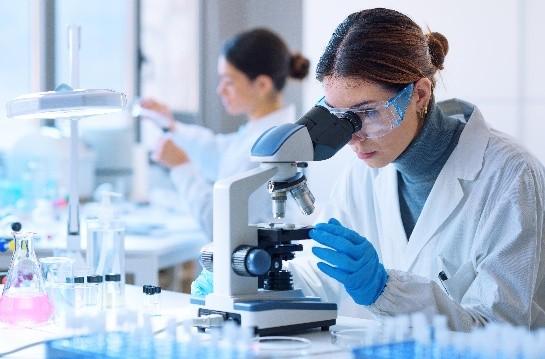
Utilizing ultracentrifugation, size exclusion chromatography (SEC), and tangential flow filtration (TFF) to ensure high purity yields with minimal protein contamination.
High resolution characterization via NTA, TEM, and sequencing technologies (Proteomics, Lipidomics, and RNA sequencing) to map the exosome cargo.
Both in vitro and in vivo bioassays to validate the therapeutic efficacy of exosomes in models of inflammation, infection, and metabolic disease.
Detailed studies on how LAExos interact with host cell receptors and influence signaling pathways.
Tailored Exosome Solutions for Your Unique Project. Request a Quote.
To empower the global scientific community, Creative Biolabs offers customizable production and high performance kits tailored specifically for microbial exosome research:
We can extract LAExos from large quantities of culture media.
Our team can load specific proteins or nucleic acids into the vesicles using advanced electroporation or chemical transfection techniques.
Our proprietary kits are designed for laboratory scale extraction, providing a faster, more reproducible alternative to traditional ultracentrifugation.
Achieve High-Purity Results with Creative Biolabs. Start Your Project Today.
A: Unlike Gram negative bacteria, which shed vesicles from their outer membrane, Gram positive bacteria like Lactobacillus acidophilus produce vesicles through a complex process involving endolysins or bubbling through the thick peptidoglycan layer. This results in a different lipid and protein composition, notably lacking the endotoxin (LPS) found in exosomes, which enhances their safety profile.
A: Our characterization suite uses specific markers and electron microscopy to differentiate intact, functional vesicles from protein aggregates or cellular fragments, ensuring the integrity of your research data. Creative Biolabs remains committed to being your premier partner in the burgeoning field of microbial exosome research. By combining our deep technical heritage with your innovative vision, we can accelerate the development of the next generation of probiotic derived biotherapeutics.
A: While live probiotics are beneficial, exosomes offer a bacteria free alternative. This means you can achieve the therapeutic effects, such as immune modulation or gut repair, without the risks associated with live bacteria, such as uncontrolled growth or potential infections in sensitive individuals. Additionally, exosomes are easier to standardize and store.
A: Yes. Since Lactobacillus acidophilus is naturally found in the human body and is widely used in the food industry (like in yogurt), its exosomes are generally considered very safe. This makes them excellent candidates for lean label cosmetic ingredients or functional food additives aimed at improving health.
Experience Precision in Microbial Exosome Engineering. Get Started Now.