
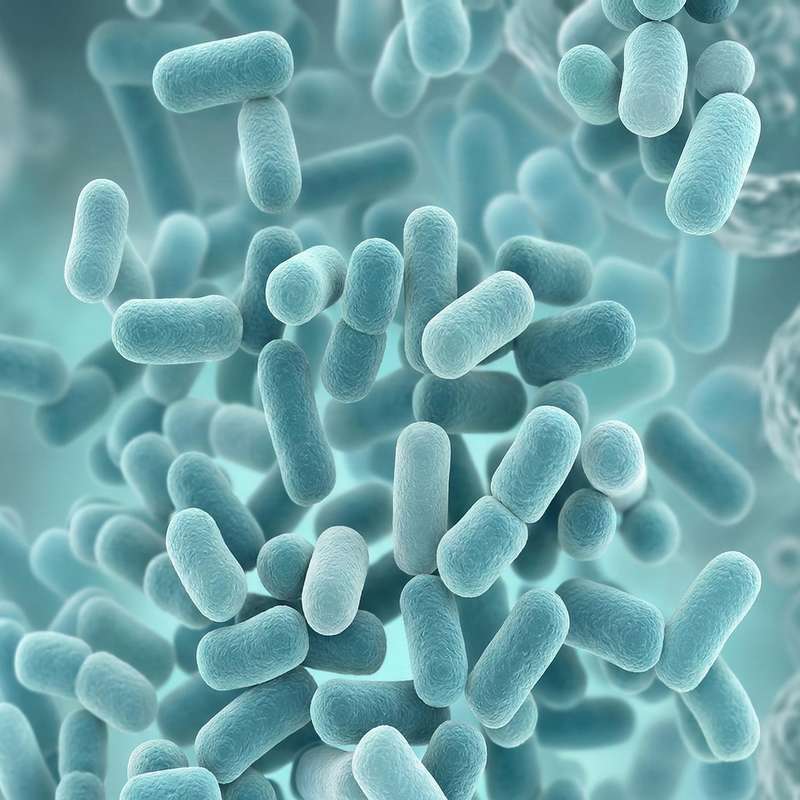
The paradigm of probiotic therapy is undergoing a fundamental shift. While the administration of live microorganisms has long been the gold standard for modulating host physiology, empirical evidence suggests that the therapeutic essence of these microbes often resides in their secreted products. Among these, Lactobacillus plantarum derived exosome have emerged as potent, nonliving mediators of inter kingdom communication. As a ubiquitous Gram positive bacterium found in diverse niches from fermented foods to the human mucosa, L. plantarum utilizes these nanosized lipid bilayers to deliver a complex cargo of proteins, nucleic acids, and metabolites directly to host cells.
The drive to investigate exosomes stems from the inherent limitations of live probiotic delivery, such as viability maintenance, potential translocation risks in immunocompromised patients, and the complexity of colonization dynamics. exosomes offer a cell free alternative that mimics the beneficial signaling of the parent bacterium while offering enhanced stability and penetrative capacity. These vesicles function as specialized delivery vehicles, crossing biological barriers, including the intestinal mucus layer and the blood brain barrier, to orchestrate systemic responses. Research into these vesicles represents the next frontier in postbiotic medicine, where the focus moves from the organism itself to the molecular messages it broadcasts to the host.
Connect with our lead scientists to refine your exosome isolation strategy.
The biological utility of exosomes is defined by their unique structural and functional attributes. Unlike synthetic nanoparticles, these vesicles are naturally optimized for biocompatibility and bioactivity.
| Feature | Description | Biological Significance |
|---|---|---|
| Biocompatibility | Derived from organism generally recognized as safe. | Minimal immunogenicity and high safety profiles for human application. |
| Stability | Robust lipid bilayer protects internal cargo from enzymatic degradation. | Ensures the integrity of small RNAs and proteins during transit through the acidic gastric environment. |
| Targeting | Surface proteins and lipids exhibit natural affinity for mucosal and immune cells. | Facilitates site specific delivery to the gut epithelium, skin keratinocytes, and macrophages. |
| Cargo Diversity | Rich in small RNAs, metabolites like oxo adipic acid, and antiphlogistic proteins. | Enables multi pathway modulation rather than single target intervention. |
| Scalability | L. plantarum is amenable to high density fermentation. | Offers an effective alternative to mammalian derived exosome production. |
Engage with our experts to optimize your microbial vesicle research pipeline.
Current literature underscores the versatility of exosomes across various physiological systems. The following thematic areas summarize the prevailing directions of recent investigations:

A recurring theme in exosome research is the induction of M2 macrophage polarization. exosomes can suppress the pro inflammatory M1 phenotype (associated with cytokines like IL6 and TNF) while promoting the antiphlogistic M2 phenotype (IL10 and TGF secretion). This mechanism is critical in resolving hyper inflammatory states such as those found in ulcerative colitis and psoriasis.
Exosomes attenuate skin inflammation by reducing epidermal thickening and regulating matrix metalloproteinase 1 expression. This provides a dual benefit of alleviating atopic dermatitis and preventing UVB induced photoaging.
In the central nervous system, exosomes have been shown to cross the blood brain barrier to prevent the depletion of Brain Derived Neurotrophic Factor (BDNF). This pathway is instrumental in alleviating stress induced depression and mitigating neuronal apoptosis following ischemic stroke.
Recent breakthroughs have identified exosomes as regulators of host metabolism. In colorectal cancer models, these vesicles reverse chemoresistance to 5 fluorouracil by downregulating PDK2 and modulating the SIRT5/p53 axis, thereby inhibiting the glycolytic Warburg effect that fuels tumor growth. Additionally, exosomes have shown promise in regulating lipid metabolism and reducing body weight in high fat diet models by restructuring the gut microbiota.
Consult our exosome specialists.
The trajectory of exosome research points toward several transformative applications:
 Precision Nutraceuticals
Designing functional foods enriched with specific exosome fractions to boost mucosal immunity or metabolic health.
Topical Bio repair
Developing medical grade skincare that utilizes exosomes to restore the skin barrier and reverse oxidative damage without the stability issues of live bacteria.
Neuro Therapeutics
Utilizing the natural BDNF upregulating properties of exosomes as a noninvasive treatment for addiction and depressive disorders.
Adjuvants in Oncology
Integrating exosomes into chemotherapy regimens to sensitize resistant tumors and protect healthy intestinal tissue from treatment induced damage.
Discuss your project's unique requirements with our senior bio-scientists today.
Creative Biolabs provides a sophisticated pipeline for researchers seeking to use the power of L. plantarum derived vesicles. Our infrastructure is designed to bridge the gap between basic microbiology and application.

Utilizing advanced ultracentrifugation, size exclusion chromatography (SEC), or tangential flow filtration (TFF) to ensure high purity and yield. Characterization includes NTA (Nanoparticle Tracking Analysis) and TEM (Transmission Electron Microscopy).
Specialized proteomics, lipidomics, and RNA sequencing to identify the bioactive molecules driving your specific phenotype.
Deciphering the cross kingdom signaling pathways, including exosome labeling and uptake studies.
Collaborate with our team to study L. plantarum exosomes.
Recognizing that different strains and culture conditions yield vesicles with distinct biological signatures, Creative Biolabs offers bespoke production services.


Speak with our technical advisors to unlock the full potential.
A: Unlike crude lysates, exosomes are discrete, organized structures that protect their cargo from environmental degradation. They facilitate targeted entry into host cells via endocytic pathways, allowing for more precise signaling than a simple mixture of bacterial components.
A: Yes. Evidence suggests that these nanosized vesicles can reach the central nervous system after systemic administration, where they influence neurotrophic factor expression and neuronal survival.
A: Bacterial exosomes are resilient compared to live probiotics. Their lipid bilayer provides significant protection against temperature fluctuations and oxidation, making them ideal candidates for shelf stable cosmetic and therapeutic creams.
A: exosomes are generally classified under the postbiotic umbrella. Their status simplifies many of the safety and regulatory hurdles associated with live microbial products, particularly regarding viability and infection risks.
Request a professional consultation to design your exosome development program.