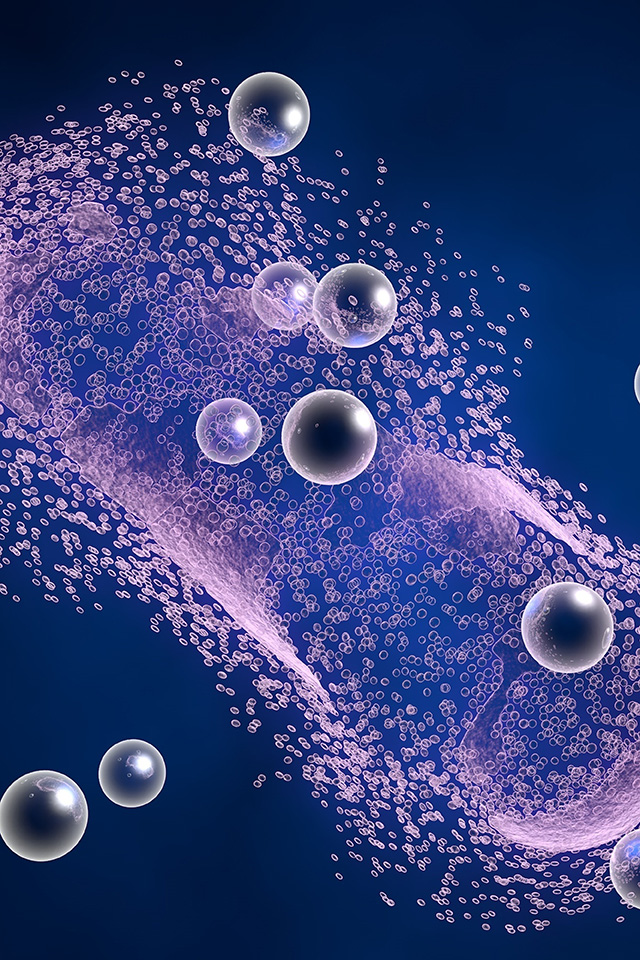

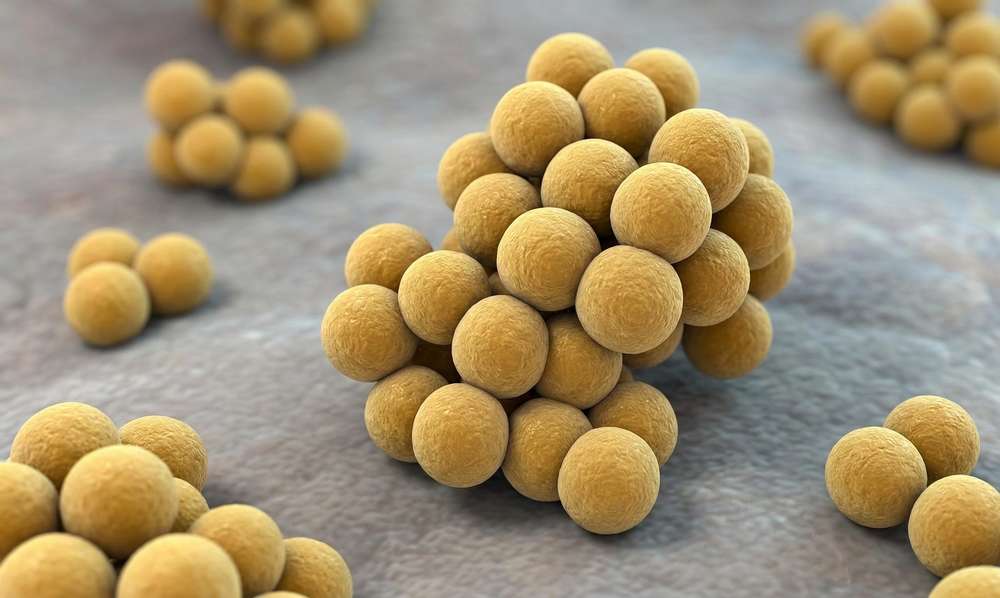
Staphylococcus aureus remains one of the most formidable opportunistic pathogens in medicine, transitioning seamlessly from a benign commensal on human mucosal surfaces to a primary agent of life-threatening systemic infections. While traditional microbiology has long focused on secreted toxins and cell-wall-associated proteins, the discovery of bacterial membrane vesicles, often termed exosomes in broader biomedical contexts, has redefined our understanding of staphylococcal pathogenesis. These nanoscale, membranous structures serve as sophisticated distant delivery vehicles, transporting a concentrated cargo of virulence factors, enzymes, and immunomodulatory nucleic acids.
Investigating these vesicles is critical because they represent an acellular extension of the bacterial arsenal. They bypass the physical limitations of the bacterial cell wall, penetrating host tissues and modulating immune responses at sites distal to the primary focus of infection. By deciphering the biogenesis and function of these vesicles, researchers can uncover the subtle mechanisms behind atopic dermatitis exacerbation, antibiotic resistance dissemination, and the persistent nature of chronic wounds.
Partner with our experts to architect your next-generation vesicle study.
The unique structural and biochemical properties of S. aureus exosomes provide them with distinct advantages over soluble secretomes. These characteristics make them both a potent threat in vivo and a versatile tool for bioengineering.
| Feature | Biological and Technical Advantage |
|---|---|
| Lipid Bilayer Protection | Protects internal cargo (RNA, DNA, proteins) from host proteases and nucleases, ensuring functional delivery to target cells. |
| High Surface | Facilitates efficient interaction with host cell membranes and receptors, such as TLR2 and TLR8. |
| Intrinsic Immunogenicity | Naturally carries pathogenic molecular patterns, making them potent innate immune activators and ideal vaccine candidates. |
| Engineered Targeting | The membrane can be modified with specific ligands to direct the vesicles to particular tissues, such as tumors or inflamed skin. |
Consult with our scientists to refine your isolation and loading strategy.
Current literature highlights the multifaceted roles of S. aureus vesicles in host and pathogen interactions. A significant body of evidence suggests that these vesicles are not mere metabolic byproducts but are strategically deployed to ensure bacterial survival.

Research indicates that exosomes from S. aureus induce proinflammatory cytokines like CXCL8 and TNFα in keratinocytes. This response is often TLR2 mediated and is significantly more pronounced in strains isolated from lesional skin of patients with atopic dermatitis, suggesting a direct link between vesicle composition and disease severity.
One of the most alarming findings in recent years is the ability of these vesicles to facilitate horizontal gene transfer. exosomes from refractory S. aureus can transfer βlactamase activity to susceptible gram negative bacteria like E. coli, effectively shielding them from antibiotic induced growth inhibition.
S. aureus utilizes exosomes to secrete immunomodulatory RNA and DNA. Once internalized by host macrophages, these nucleic acids trigger a potent IFNβ response via endosomal Toll like receptors, altering the host's transcriptional landscape to favor bacterial persistence.
Under stress from antimicrobial fatty acids found on human skin, S. aureus increases vesicle production. These exosomes act as decoys, sequestering the fatty acids and protecting the parent bacterial population from lysis.
Align with our scientific team to streamline your exosome pipeline.
The transition of S. aureus exosomes from objects of study to application tests is a rapidly evolving frontier. Their ability to interact intimately with the host immune system and cross biological barriers opens several therapeutic avenues.
Because these vesicles naturally display a repertoire of staphylococcal antigens in their native conformation, they are being developed as acellular vaccines. Immunization with purified exosomes has been shown to elicit robust IgG and IgM responses in murine models, providing systemic protection against lethal challenges.
An intriguing development is the use of S. aureus exosomes in cancer therapy. Studies have demonstrated that these vesicles can selectively target tumor tissues and induce pyroptosis, a form of programmed cell death, through a caspase1 dependent pathway. This suggests that the very virulence factors that cause infection can be repurposed to eliminate malignant cells.
The lipid scaffold of the vesicle allows for the encapsulation of hydrophobic and hydrophilic drugs. By loading exosomes with potent antibiotics, researchers may be able to deliver high local concentrations of medication directly to the site of an infection, reducing systemic side effects and overcoming some forms of bacterial resistance.
Engage with our specialists to transform staphylococcal vesicles.
Creative Biolabs supports the global scientific community by providing a sophisticated suite of services tailored to the study of microbial extracellular vesicles. Our infrastructure is designed to handle the complexities of S. aureus research, ensuring ultrapure yields and detailed molecular characterization.

Utilizing advanced ultracentrifugation or other methods to obtain highly purified exosomes. We employ nanoparticle tracking analysis (NTA) and transmission electron microscope to verify size and morphology.
We provide exploration analysis into the vesicle cargo, including proteomics based on mass spectrometry to identify virulence factors and RNA sequencing to profile the small RNA landscape.
Our team conducts in vitro and in vivo studies to evaluate the biological impact of exosomes, ranging from cytotoxicity and apoptosis assays in epithelial cells to complex murine infection and tumor models.
Identification of the specific host cell receptors and signaling pathways (e.g., NFκB, Caspase1, TLRs) activated by staphylococcal vesicles.
Discuss your experimental design with our leads today.
Recognizing that many laboratories require standardized materials to accelerate their findings, we offer customized production of S. aureus derived vesicles.



Collaborate with us to engineer delivery systems.
A: Yes. Evidence shows that S. aureus exosomes can fuse with other bacteria, such as Pseudomonas aeruginosa, altering their pathogenicity and biofilm forming capabilities. We can assist in designing assays to study these interactions between species.
A: Stability depends on the storage medium and temperature. We typically recommend storage at -80°C to prevent membrane rupture and cargo degradation.
A: Every batch undergoes rigorous sterility testing, including plating on enriched media and filtration through 0.22μm membranes to ensure that only the nanoscopic vesicles remain.
Connect with our analytical team.