Bitter Melon derived Exosome Research & Application
Overview Advantages Research Potentiality Services FAQs
Unlocking the Therapeutic Potential of Bitter Melon
Bitter melon has a long-standing history in traditional medicine, now corroborated by modern biomedical research highlighting its significant roles in blood glucose regulation, lipid metabolism, and demonstrating notable anticancer and antioxidant properties. These pharmacological activities are linked to a rich repository of bioactive compounds, including the various antioxidants and other pleiotropic molecules.
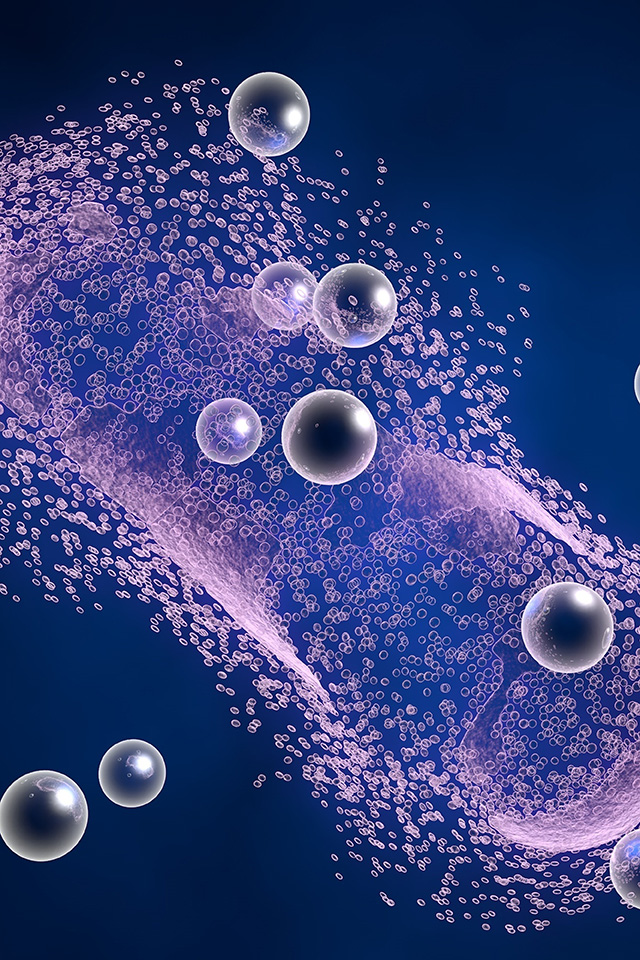
The study of its derived exosomes (BM-Exos) represents a critical paradigm shift. These nanoscale vesicles (typically 30–200 nm in diameter), secreted by the plant cells, are known to encapsulate and transport a dense payload of pharmacologically active biomolecules, including proteins, lipids, and small non-coding RNAs (such as miRNAs). This natural delivery system offers superior stability and biocompatibility compared to traditional small-molecule drugs. The motivation behind studying BM-Exos is clear: to leverage bitter melon's proven efficacy within a robust, naturally optimized delivery vehicle, potentially overcoming bioavailability challenges and reducing off-target effects.
Transform Bitter Melon Exosomes into Applications. Get Started Now.
Distinctive Characteristics of Bitter Melon Exosomes
BM-Exos possess several inherent advantages that distinguish them as promising candidates for therapeutic development:
 Biodistribution and Target Engagement
Studies have demonstrated that plant-derived Exos can traverse biological barriers, including the gastrointestinal tract and the blood-brain barrier (BBB), enabling systemic delivery to target organs. For example, Dil-labeled BM-Exos have been observed in the infarct area following cerebral ischemia-reperfusion injury.
Diverse Bioactive Cargo
High-precision omics and sequencing analyses reveal a complex molecular profile. BM-Exos are enriched in specific plant-derived components, such as the triterpenoid echinocystic acid (EA), small non-coding RNAs like miR-5813b and miRNA5266, and various lipids. This intricate cargo dictates their pleiotropic action across multiple disease pathways.
Safety and Biocompatibility
As naturally derived nanovesicles, BM-Exos exhibit excellent inherent biosafety and low immunogenicity, which is a major advantage for systemic administration, as confirmed by safety evaluations in animal models.
Harness the Bioactivity of Botanical Exosomes. Request Your Proposal.
Evidence from High-Impact Functional Studies
Recent investigations have rigorously characterized the function and mechanism of BM-Exos across diverse pathological conditions, underscoring their vast therapeutic range:
Cardioprotection
BM-Exos have demonstrated significant protective effects against chemotherapy-induced cardiotoxicity, such as that caused by drug. They operate by increasing the protein stability of p62 which subsequently promotes Nrf2 nuclear translocation and the expression of antioxidant genes like HO-1, effectively mitigating oxidative stress and preserving mitochondrial integrity in cardiomyocytes.
Neuroprotection and Anti-Ferroptosis
In models of ischemic stroke (IS), BM-Exos were shown to attenuate neuronal ferroptosis and promote neurological recovery. Mechanistically, the encapsulated plant-specific miRNA, miR-5813b, acts as a direct regulator of the E3 ubiquitin ligase TRIM62. By inhibiting TRIM62-mediated ubiquitination of GPX4, BM-Exos effectively stabilize the key anti-ferroptosis enzyme GPX4, offering a novel intervention for IS.
Anti-Inflammation and Wound Healing
In the context of diabetic wound repair, BM-Exos, when incorporated into advanced hydrogels, synergize with mesenchymal stem cell exosomes to inhibit chronic inflammation, counter oxidative stress, and accelerate wound healing by modulating macrophage immune responses and enhancing angiogenesis.
Anticancer and Antiplatelet Effects
BM-Exos exhibit direct anticancer effects against breast cancer cells, primarily by promoting reactive oxygen species (ROS) production and disrupting mitochondrial function. Furthermore, they demonstrate a crucial role in hemostasis, effectively inhibiting platelet activation, adhesion, and aggregation, which suggests a potential adjunctive role in treating stroke and tumor metastasis by limiting prothrombotic or metastatic processes.
Vascular Protection
The high-abundance constituent, echinocystic acid, within BM-Exos has been shown to mitigate Dengue virus-induced vascular leakage by shifting macrophage polarization towards the anti-inflammatory M2 phenotype and inhibiting the HIF-1α-p300/CBP transcriptional complex, thereby decoupling inflammatory activation from metabolic reprogramming.
Accelerate Product Development with Our End-to-End Exosome Services.
Broadening the Application Horizon
Based on the robust mechanistic data, the application potential for Bitter Melon-derived Exosomes is substantial and multifaceted:

Targeted Drug Delivery
BM-Exos can be engineered or loaded with synthetic therapeutic agents to enhance targeted delivery, particularly for pathologies of the central nervous system (due to BBB penetration) or localized cancer therapy.

Metabolic Syndrome Therapeutics
Leveraging the intrinsic blood glucose-lowering and lipid-regulating effects, BM-Exos are promising for developing novel treatments for Type 2 Diabetes and Hyperlipidemia.
Adjuvant in Oncology
Their ability to inhibit tumor angiogenesis, induce apoptosis, and sensitize resistant cells (e.g., enhancing 5-FU efficacy in oral squamous cell carcinoma by suppressing the NLRP3 pathway) positions them as powerful adjuvants in chemotherapy and radiation therapy.
Regenerative Medicine
The observed anti-inflammatory, pro-angiogenic, and antioxidant activities are highly relevant for tissue repair, extending their use beyond diabetic wounds to various chronic inflammatory and degenerative conditions.
Your Next Innovation Starts with Bitter Melon Nanovesicles. Learn More Today.
Creative Biolabs' End-to-End Exosome Development Platform
At Creative Biolabs, we recognize that the success of BM-EXO development relies on a rigorous, reproducible, and standardized approach. We have successfully established a state-of-the-art Plant Exosome Development Platform that provides end-to-end technical support for researchers and industry partners:
High-Quality Exosome Isolation and Development
Comprehensive Exosome Characterization
Advanced Omics and Functional Research
In Vitro and In Vivo Functional Validation
We employ advanced methods to ensure the isolation of highly pure and intact BM-Exos.
Purity and integrity are guaranteed through specialized services such as Nanoparticle Tracking Analysis (NTA) for size distribution and concentration, and Transmission Electron Microscopy (TEM) for morphological confirmation.
Advanced Omics and Functional Research
-
Proteomics: High-precision identification and quantification of exosomal proteins to uncover novel biomarkers and therapeutic targets.
-
Whole Transcriptome Sequencing: Comprehensive analysis of exosomal RNA, including plant-specific miRNAs, to map gene regulation and cellular communication.
-
Lipidomics and Metabolomics: Detailed profiling of lipid and metabolite cargo to fully elucidate the role of BM-Exos in metabolic regulation and disease progression.
We offer robust functional research services, including the construction of various cell models (e.g., H9c2, HT22) and complex disease models (e.g., MCAO rat models for stroke, diabetic mouse wound models), to validate the precise therapeutic mechanisms and efficacy of isolated BM-Exos.
Unlock Natural Bioactives for Functional Products. Speak to Our Team.
Products: Standardized Plant-Derived Exosome Solutions
Responding to the growing scientific demand, Creative Biolabs has launched a series of plant-derived exosome standard products. These BM-Exos are derived and manufactured under a rigorous quality control system, ensuring certified consistency and high quality for:
-
Scientific Research Applications
Providing researchers with reliable, characterized material for mechanistic studies, target validation, and drug screening.
-
Plant-Derived Exosome Skincare Ingredients
Offering high-purity, bioactive components for cosmetic and dermatological applications, leveraging their proven anti-aging and skin repair potential.
We are fully equipped to customize production runs based on specific client requirements for isolation method and final product specifications, ensuring our partners receive the precise materials needed for their proprietary research and development.
FAQs
Q: How does the cargo of bitter melon-derived exosomes maintain activity after oral administration?
A: The exosome's lipid bilayer structure offers robust protection to its molecular cargo (miRNAs, proteins, etc.) against the harsh acidic and enzymatic environment of the gastrointestinal tract. This natural protection is key to achieving systemic absorption and maintaining bioactivity, facilitating the therapeutic effects observed in oral delivery models.
Q: Are the mechanisms of action of BM-Exos solely due to the encapsulated plant miRNAs?
A: No, the therapeutic effect is clearly multifactorial, representing a synergistic action. While plant miRNAs (like miR-5813b and miRNA5266) are critical for regulating specific target genes (e.g., TRIM62, MMP-9), the bioactive lipids (e.g., echinocystic acid) and proteins also play crucial roles in metabolic reprogramming, antioxidant activity, and cell signaling (e.g., AKT/GSK3β pathway activation).
Q: What methods are used to track the in vivo biodistribution and cellular uptake of BM-Exos, especially for brain-targeting applications?
A: To accurately track BM-Exos, we utilize robust labeling techniques. For real-time in vivo imaging and biodistribution analysis, we often use lipophilic tracers such as Dil, DiR, or DiO, which are incorporated into the exosomal membrane. In brain studies, post-mortem tissue analysis often includes fluorescence microscopy (as seen in the observation of Dil-labeled exosomes in the infarct area) and quantitative PCR to track the specific plant-derived RNAs within target tissues, providing definitive evidence of cellular uptake and mechanism engagement. This rigorous validation ensures the reliability of the observed neuroprotective effects.
Unlock Natural Bioactives for Functional Products. Talk to Our Team.
For Research Use Only. Cannot be used by patients.
Related Services: