Garlic derived Exosome Research & Application
Overview Advantages Research Potentiality Services FAQs
Rationale for Investigating Garlic-derived Exosomes
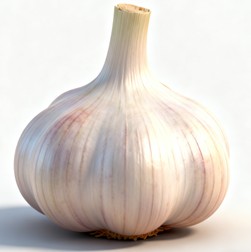
The pharmacological wealth of garlic is well-documented, attributed to its diverse array of bioactive sulfur-containing compounds such as Allicin, Alliin, S-allylcysteine, diallyl sulfide, and Ajoene. These components collectively confer potent antioxidative, anti-inflammatory, anti-tumor, lipid-lowering, and anti-diabetic properties.
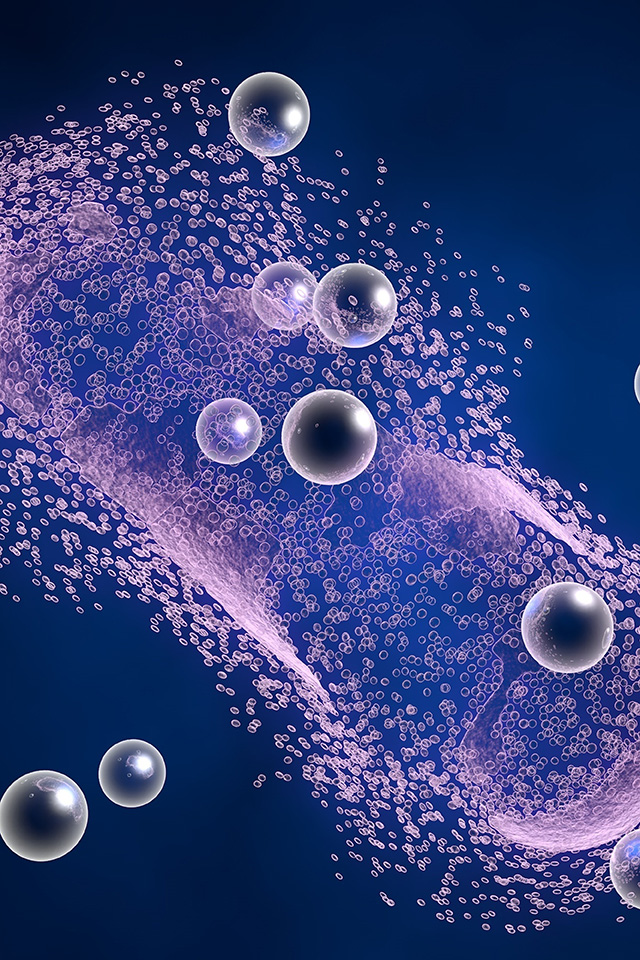
The hypothesis driving modern research is that Garlic-derived Exosome (GaExos) serve as natural nanocarriers for these crucial bioactive molecules. Exosomes are naturally secreted vesicles, typically ranging from 30 to 200 nm in diameter, that mediate intercellular communication in their host. When consumed, these plant-derived vesicles are absorbed and can influence mammalian physiology. The rationale for studying GaExos is threefold:
-
They are likely to inherit the therapeutic cargo of the parent garlic plant.
-
Their cell membrane-like structure inherently provides enhanced stability and efficient cellular uptake, potentially overcoming the poor bioavailability often associated with isolated garlic compounds.
-
They offer a novel, biocompatible, and naturally abundant platform for therapeutic delivery.
Unlock the Power of Garlic-Derived Exosomes. Connect With Our Experts Today.
Unique Characteristics and Bio-Distribution
GaExos possess several intrinsic advantages that position them as a compelling platform for nanotherapy:
Exceptional Bioavailability and Delivery Efficiency
The inherent lipid bilayer structure of GaExos offers protection to their cargo (proteins, lipids, and miRNAs) against degradation in the gastrointestinal tract. Studies confirm that oral administration allows these nanovesicles to cross the intestinal epithelial barrier. For instance, research on GaExos indicated that macropinocytosis and fast endophilin-mediated endocytosis (FEME) are the key mechanisms mediating their uptake in human intestinal epithelial cells. This efficient, targeted absorption is critical for systemic therapeutic effect.
Targeting Capability
GaExos, similar to their mammalian counterparts, act as mediators of long-distance communication. Their surface components facilitate uptake by specific cell types, such as microglial cells in the brain or macrophages in the liver and adipose tissue, allowing for targeted modulation of pathological processes.
Inherent Bioactivity
Beyond being simple carriers, the components within GaExos, such as specific miRNAs and lipids (e.g., phosphatidic acid (PA) (36:4), phosphatidylcholines), have been identified as key regulatory molecules, capable of directly influencing mammalian signaling pathways.
Transform Your Innovation with Garlic Exosome Technology. Request a Custom Quote.
Key Pharmacological Findings of GaExos
Recent high-impact research, encompassing both in vitro and in vivo studies, has solidified the diverse therapeutic applications of GaExos:
|
Research Area
|
Key Findings and Mechanism
|
|
Metabolic Syndrome & Obesity
|
Reverses high-fat diet (HFD)-induced obesity and Type 2 Diabetes (T2DM). Mechanism involves GaExos or their trained gut bacteria OMVs trafficking to the brain, inhibiting brain inflammation (via BASP1/c-Myc/STING pathway) and improving glucose/insulin sensitivity (via GLP-1R crosstalk with the insulin pathway).
|
|
Liver Dysfunction (NAFLD & ALF)
|
Alleviates Non-Alcoholic Fatty Liver Disease (NAFLD) and Acute Liver Failure (ALF). GaExos regulate PFKFB3 expression in macrophages via miR-396e, mitigating inflammation and improving lipid metabolism via macrophage-hepatocyte crosstalk. Also inhibits the CCR2/CCR5 signaling pathway, reducing inflammatory cell infiltration.
|
|
Inflammatory Bowel Disease (IBD)
|
Ameliorates murine colitis by suppressing inflammation. Involves inhibiting the TLR4/MyD88/NF-κB signaling pathway (via Han-miR3630-5p) and reshaping gut microbiota (boosting beneficial Bacteroides thetaiotaomicron via peu-MIR2916-p3).
|
|
Osteoarthritis (OA)
|
Alleviates OA progression in vitro and in vivo by inhibiting the phosphorylation of the MAPK signaling pathway (ERK, JNK, P38), reducing matrix degrading enzymes.
|
|
Periodontitis & Wound Healing
|
Reduces gingival inflammation and bone resorption by modulating the PHGDH/PI3K/AKT pathway and inhibiting NF-κB activity. Shows inherent antibacterial activity (e.g., against S. aureus) and can be engineered into a therapeutic wound dressing.
|
|
Psoriasis & Hair Growth
|
Topical application achieves complete recovery in a psoriasis-like murine model by dual modulation of the IL-17 and NRF2 pathways. Promotes hair growth in vivo by activating the Wnt/β-catenin pathway and growth factors (VEGF, PDGF).
|
|
Gut Homeostasis
|
Enhances gut homeostasis in stressed piglets by augmenting beneficial bacteria (Lactobacillus reuteri) and inducing the anti-inflammatory microbial metabolite indole-3-propionic acid.
|
Explore the Future of Natural Nanovesicles. Start Your Garlic Exosome Project.
Potentiality: Future Therapeutic Applications
The convergence of inherent bioactivity and efficient delivery positions GaExos as a highly promising natural therapeutic strategy. Their potential applications span multiple disease areas, moving beyond supplementation into targeted nanomedicine:
 Targeted Drug Delivery System
GaExos can be engineered (exosome post-loading) to carry specific drugs, small molecules, or nucleic acids, utilizing their natural targeting capabilities to enhance therapeutic efficacy while minimizing systemic toxicity.
Immunomodulation
Their proven ability to suppress key inflammatory pathways (NF-κB, STING, IL-17) and modulate the gut microbiota suggests significant potential in treating chronic inflammatory and autoimmune diseases.
Neuroprotection
The observed trafficking and action within the brain (e.g., inhibition of brain inflammation in obesity) open avenues for treating neurological components of metabolic disorders and potentially other neurodegenerative conditions.
Regenerative Medicine
The promotion of tissue regeneration (e.g., enhanced fibroblast proliferation, increased VEGF, and improved wound healing) supports their application in tissue repair and regenerative therapies.
See What Garlic Exosomes Can Do for Your R&D. Speak with a Specialist.
Services: A Comprehensive Platform at Creative Biolabs
Translating these findings into reality requires robust and highly standardized research support. At Creative Biolabs, we offer one-stop exosome services specifically designed to accelerate your GaExo research and development pipeline:
Exosome Isolation and Characterization
Exosome Engineering and Functional Validation
We utilize advanced separation techniques to ensure high-purity GaExo preparations. Our exosome characterization services provide essential quality assurance, including:
For therapeutic advancement, we offer specialized services to optimize GaExo function:
Products: Supporting Your GaExo Research
To immediately support researchers entering this promising field, Creative Biolabs has launched proprietary Garlic-derived Exosome. These products offer standardized, high-quality GaExos for various applications, from basic mechanism exploration to research screening.
As projects advance toward research or test stages, the need for large quantities of high-quality material is paramount. We provide:
Accelerate Your Product Development with Plant Exosomes. Get Professional Support.
FAQs
Q: How can GaExos, originating from a plant, exert therapeutic effects in mammals?
A: The effect is due to interspecies communication. GaExos contain functional molecules like specific miRNAs (miRNAs) and lipids that are recognized and processed by mammalian cells. These molecules can interact with and regulate mammalian signaling pathways (e.g., through miRNA-target binding or lipid-receptor interaction), effectively delivering a therapeutic 'message' from the plant to the host cell.
Q: What is the main barrier to their large-scale test application?
A: The primary challenge lies in standardization and scalable manufacturing. While isolation methods exist, achieving batch-to-batch consistency in yield, purity, and cargo composition at a test scale remains complex. Creative Biolabs is directly addressing this through our specialized, high-capacity exosome manufacturing services.
Q: Can the GaExo cargo be manipulated to enhance targeting or efficacy?
A: Absolutely. Our exosome engineering services allow for both passive loading of therapeutic agents into the GaExo core and active surface modification (e.g., tethering targeting moieties) to improve tropism toward specific tissues or cell types, thereby maximizing therapeutic precision.
Seek Garlic-Based Exosome Solutions. Contact Us Now.
For Research Use Only. Cannot be used by patients.
Related Services: