Shiitake Mushroom-derived Exosome Research & Application
Overview Advantages Research Potentiality Services Products FAQs
The Emergence of Shiitake Mushroom-Derived Exosome
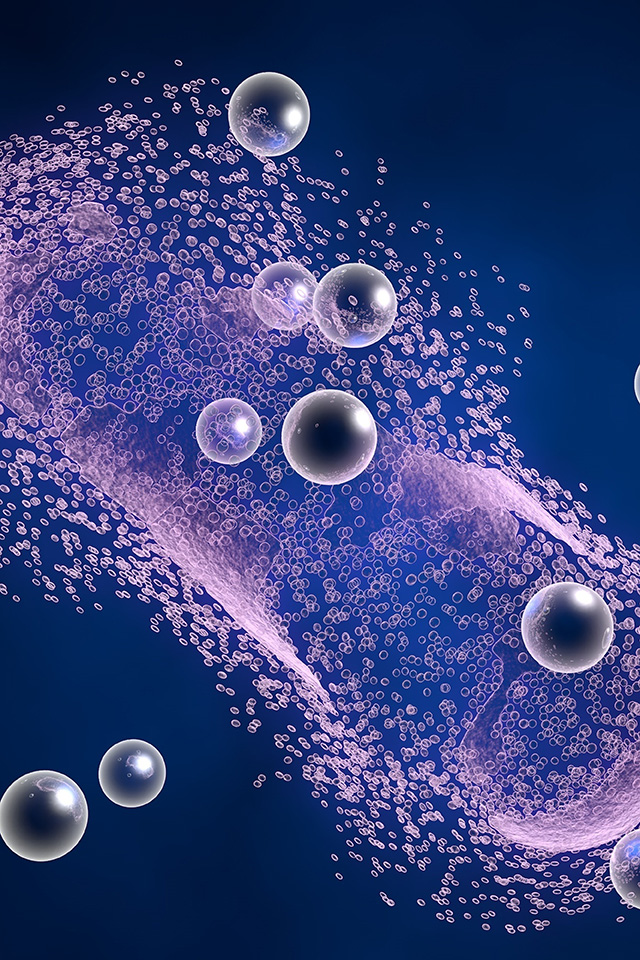
The field of exosome research, once solely focused on mammalian systems, has witnessed a compelling paradigm shift with the growing interest in plant-derived exosome. These nanosized vesicles, secreted by various plant cells, are structurally and functionally analogous to animal exosomes, carrying intricate cargoes of bioactive molecules such as proteins, lipids, and nucleic acids crucial for intercellular communication.
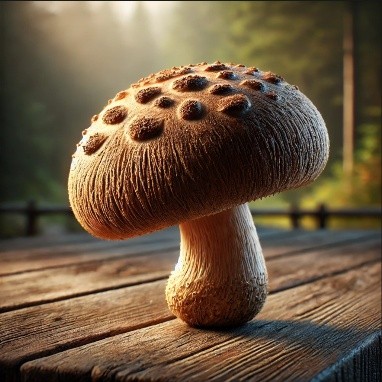
Among the most promising sources is the Shiitake mushroom (Lentinula edodes), a common edible fungus long revered in traditional medicine for its diverse health benefits, including immune modulation, cardiovascular protection, and anti-cancer properties.
Why Shiitake Mushroom-Derived Exosomes Matter?
1. Natural Bioactivity Reservoir
-
The parent mushroom is rich in polysaccharides, polyphenols, and terpenoids known for their antioxidant, anti-inflammatory, and immune-enhancing properties.
-
SM-Exos may encapsulate and deliver these molecules more effectively to target cells.
2. Intrinsic Delivery Capability
-
Like mammalian exosomes, SM-Exos possess a lipid bilayer structure that protects and transports biomolecules across biological barriers.
-
They function as natural, evolution-optimized delivery vehicles, offering superior biocompatibility, safety, and targeting compared to synthetic nanoparticles.
3. Biomedical Potential
|
Research Direction
|
Potential Application
|
|
Immune Modulation
|
Support immune balance and defense response
|
|
Anti-Inflammatory Action
|
Attenuate chronic inflammation and oxidative stress
|
|
Cancer Therapy
|
Deliver bioactive compounds with anti-proliferative effects
|
|
Nutraceutical Development
|
Formulate next-generation functional foods and supplements
|
A systematic exploration of the composition, structure, and biological function of SM-Exos will provide the scientific foundation for developing novel nutraceuticals, targeted therapeutics, and cosmeceutical formulations.
Request a Deep Dive Consultation. Discuss your research strategy with our exosome experts today.
Distinctive Characteristics of Shiitake Mushroom Exosomes
SM-Exos possess several inherent advantages that distinguish them within the broad category of plant-derived vesicles, making them a compelling subject for advanced research:
Abundant and Scalable Source
As a globally cultivated and readily available food source, Shiitake mushrooms offer a practical and cost-effective matrix for large-scale exosome extraction and purification, a critical factor for commercial viability and translation.
Unique Cargo Profile
Unlike their mammalian counterparts, SM-Exos carry a specific profile of plant-derived bioactive molecules. The presence of mushroom-specific compounds, such as unique polysaccharides and lectins (like the recently identified antiviral Shictin), imparts distinct functionalities that are not replicable by other exosome sources.
High Biocompatibility and Low Immunogenicity
Derived from an edible source with a long history of safe human consumption, SM-Exos inherently possess a high degree of biocompatibility. This significantly reduces the risk of adverse immune reactions, which is a major concern for synthetic nanoparticles and some mammalian exosomes in therapeutic development.
Natural Targeting Potential
Evidence suggests that orally administered SM-Exos can successfully navigate the harsh gastrointestinal environment to exert systemic effects, notably impacting the gut microbiota and systemic physiological pathways. This implies a natural 'trojan horse' mechanism, which can be further exploited and engineered for targeted delivery.
Tailor Your Exosome Project. Start a confidential discussion on custom SM-Exo engineering.
Pivotal Findings on Shiitake Mushroom Exosome Functionality
Early-stage, yet groundbreaking, research has already illuminated the formidable therapeutic potential of SM-Exos across several disease models, characterized by the rigorous standards required for high-impact scientific publications:
 Potent Anti-inflammatory and Hepatoprotective Effects
A seminal study demonstrated that SM-Exos offer significant protection against D-galactosamine and lipopolysaccharide (GalN/LPS)-induced acute liver injury in mice, a model that closely mimics fulminant hepatic failure (FHF). Mechanistically, SM-Exos were shown to be potent, selective inhibitors of the NLRP3 inflammasome—a key mediator of inflammatory diseases. By preventing inflammasome assembly in primary macrophages, SM-Exos significantly suppressed the release of pro-inflammatory cytokines such as IL-1 beta and IL-18, thereby alleviating liver damage and reducing serum markers like ALT and AST. This finding positions SM-Exos as a promising therapeutic agent for severe acute inflammatory conditions.
Modulation of the Gut-Brain Axis and Cognitive Improvement
Long-term oral administration of SM-Exos in aged mouse models has demonstrated a remarkable ability to improve cognitive function. This effect was not mediated by direct entry into the brain, but rather through a profound impact on the gut microbiota composition and the reshaping of the fecal metabolome. Crucially, SM-Exos were found to regulate the tryptophan metabolism pathway, specifically decreasing the level of the neurotoxic metabolite kynurenic acid. This work establishes SM-Exos as a superior dietary intervention for modulating the gut-brain axis to combat age-associated cognitive decline.
Identification of Novel Antiviral Agents
Recent studies have successfully isolated a novel lectin, named Shictin, from SM-Exos. This protein exhibits potent antiviral activity against the SARS-CoV-2 Omicron variant, achieving an impressive IC50 value of 87 nM. Shictin is a carbohydrate-binding protein that appears to interfere with viral entry by binding to the glycans on the virion surface. This discovery underscores the role of plant Exos as a fertile and previously underexplored source for the identification and development of new antiviral therapeutic agents.
Unlock the Power of Shiitake-Derived Exosomes. Talk to Our Experts Today.
Therapeutic and Commercial Applications
The established safety profile and validated therapeutic effects of SM-Exos project a broad horizon of translational potential across multiple sectors:
Acute and Chronic Inflammatory Diseases
Given the potent and specific inhibition of the NLRP3 inflammasome, SM-Exos are highly promising candidates for treating a spectrum of inflammatory conditions beyond FHF, including inflammatory bowel disease (IBD), arthritis, and neuroinflammation.
Neuroprotective and Anti-Aging Formulations
The confirmed ability to improve cognitive function by modulating the gut-brain axis makes SM-Exos ideal components for the next generation of nutraceuticals and functional foods aimed at promoting brain health and mitigating age-related cognitive decline.
Novel Antiviral and Immunomodulatory Therapeutics
The isolation of antiviral lectins like Shictin points to the development of exosome-based drugs to combat emergent viral threats. Furthermore, the known immune-enhancing properties of the parent mushroom are likely carried by the Exos, suggesting applications as natural immune adjuvants.
Targeted Drug Delivery Systems
The intrinsic nanovesicular structure allows SM-Exos to be co-opted as nano-carriers. Through advanced engineering, they can be loaded with specific therapeutic cargo (e.g., small molecule drugs, siRNA) and modified with targeting ligands (e.g., liver-targeted modification) to achieve enhanced, precise delivery to diseased tissues.
Transform Your Research with Natural Nanovesicles. Request a Project Consultation.
Creative Biolabs' End-to-End Exosome Research and Development Platform
As a leading partner in the exosome development landscape, Creative Biolabs is uniquely positioned to accelerate the translation of SM-Exo research from concept to commercialization. We offer a sophisticated, one-stop technical service platform, adhering to the highest standards of scientific rigor and regulatory compliance:
|
Item
|
Details
|
|
Advanced SM-Exo Isolation and Characterization
|
Our state-of-the-art service employs multiple complementary analytical techniques essential for high-impact publishing:
|
|
Comprehensive Functional Validation
|
We provide robust in vitro and in vivo functional research services to elucidate therapeutic mechanisms:
|
|
Cutting-Edge Exosome Engineering and Manufacturing
|
Our engineering services enable the customization required for translational success:
|
Bridge Tradition and Biotechnology. Partner with Us to Explore Shiitake Exosome Innovation.
High-Purity Shiitake Mushroom Exosomes for Industry and Academia
Leveraging our proprietary extraction and purification protocols, Creative Biolabs is proud to offer a diverse portfolio of Shiitake Mushroom-derived Exosome-like Nanoparticle products with established specifications for both R&D and commercial applications:
Research-Grade SM-Exos
Highly purified and fully characterized SM-Exos are available for academic and industry research teams seeking to validate novel therapeutic targets, explore cargo-function relationships, or utilize them as a baseline for engineering studies.
Cosmeceutical and Nutraceutical Raw Materials
We provide high-quality SM-Exo extracts suitable for integration into next-generation skincare formulations (due to their anti-inflammatory and antioxidant properties) and advanced dietary supplements, offering partners a scientifically backed raw material with superior bioactive delivery capabilities.
Please Tell Me Your Customized Requirements.
FAQs
Q: How do you confirm that the isolated nanoparticles are truly "exosomes" and not just other cellular debris?
A: We use a multi-modal approach aligned with Minimal Information for Studies of Extracellular Vesicles guidelines. This involves TEM for characteristic cup-shaped morphology and NTA to confirm the correct size range (50-200 nm).
Q: Can SM-Exos be engineered to target a specific organ, like a mammalian exosome?
A: Yes. Our Disease-Targeted Exosome Modification Services can chemically or enzymatically conjugate specific ligands (e.g., peptides, aptamers) onto the SM-Exo surface. This technique, validated in our liver-targeted exosome modification service, significantly enhances tropism for the desired tissue.
Q: What is the primary difference in composition between Shiitake Exos and, for example, grape-derived Exos?
A: While all plant Exos carry a payload of lipids, proteins, and RNA, the specific molecular cargo is highly source-dependent. Shiitake Exos are distinct for their high concentration of mushroom-specific beta-glucans and specialized lectins (like Shictin). Grape Exos, conversely, would be enriched in different phenolic compounds (e.g., resveratrol) and plant microRNAs characteristic of Vitis vinifera. Our exosomal profiling service helps clients define this unique signature for their chosen source.
Discover the Therapeutic Potential of Shiitake Exosomes. Schedule a Free Consultation.
For Research Use Only. Cannot be used by patients.
Related Services: