Onion-derived Exosome Research & Application
Overview Advantages Research Potentiality Services Products FAQs
Unveiling the Therapeutic Potential of Onion Nanovesicles
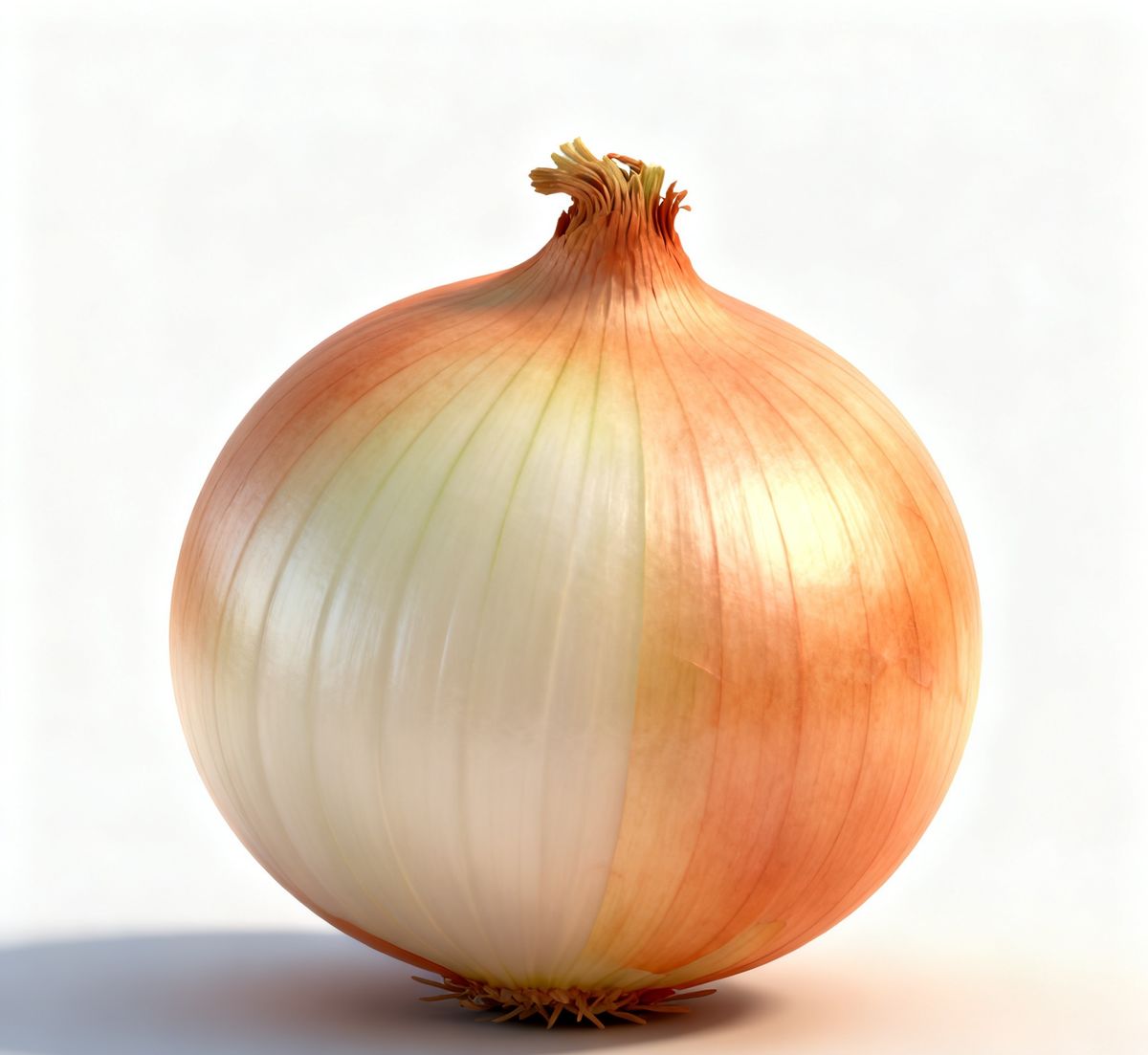
The field of exosome research has witnessed explosive growth, primarily centered on their roles in intercellular communication in mammalian systems. However, an equally exciting and rapidly emerging field focuses on exosomes originating from plants. Among the vast botanical kingdom, the humble onion (Allium cepa L.), a cornerstone of global cuisine and traditional medicine, is emerging as a critical source for these naturally occurring nanovesicles. Long recognized as a "superfood" rich in essential nutrients, flavonoids, and sulfur compounds, the therapeutic efficacy of whole onions is well-documented, spanning cardiovascular support, immune enhancement, and anti-aging properties.
Unlock the Therapeutic Potential of Onion-Derived Exosomes.
Key Features of Onion-Derived Exosomes (ODEs)
|
Feature
|
Description
|
Potential Application
|
|
Natural Origin
|
Derived from edible plant Allium cepa L., ensuring high biocompatibility
|
Safe, food-grade nanocarriers
|
|
Nano-sized Vesicles
|
Typically 30–200 nm in diameter
|
Ideal for cellular uptake and targeted delivery
|
|
Bioactive Cargo
|
Contain flavonoids, sulfur compounds, and microRNAs
|
Antioxidant, anti-inflammatory, and regenerative effects
|
|
Physicochemical Stability
|
Demonstrates tolerance to environmental and enzymatic stressors
|
Acilitating delivery through oral or dermal routes
|
|
Low-Cost Production
|
Scalable and sustainable isolation from agricultural sources
|
Affordable large-scale manufacturing
|
The real breakthrough lies in harnessing the onion's own natural delivery vehicles—its bioactive exosomes—which encapsulate and protect key functional molecules. These nanovesicles, ranging in size and rich in cargo, are naturally endowed with the characteristics required for targeted delivery and therapeutic action.
At Creative Biolabs, we strive to transform centuries-old botanical wisdom surrounding Allium plants into next-generation nanomedical tools. Our work focuses on advancing the extraction and characterization of onion-derived exosomes (ODEs) to unleash their full potential as natural, scalable systems for drug delivery and skin health solutions.
Join Creative Biolabs in shaping the future of ODE-based biotechnology.
Unique Properties of Onion-Derived Exosomes
ODEs possess a compelling profile that distinguishes them from their mammalian counterparts, making them highly attractive for large-scale biomedical and commercial development:
Exceptional Biocompatibility and Low Immunogenicity
As vesicles derived from a common dietary source, ODEs exhibit inherent safety and minimal side effects, presenting a significant advantage over synthetic nanoparticles or allogenic mammalian exosomes, which often trigger immune responses.
Cost-Effective and Scalable Production
Onions are an abundant, globally harvested crop, facilitating the cost-effective and efficient large-scale isolation of their nanovesicles. This logistical advantage is crucial for developing commercially viable products and therapies.
Rich and Diverse Bioactive Cargo
The native components of onions, such as the powerful antioxidant quercetin, along with specific miRNAs, proteins, and lipids, are encapsulated within the protective exosome membrane. This structure ensures the stability and enhanced bioavailability of these molecules, effectively protecting them from degradation in physiological environments.
Targeting and Penetration Capabilities
The natural lipid composition of ODEs may confer unique abilities to traverse biological barriers. Recent studies suggest a potential for nasal-to-brain microRNA transfer using ODEs, hinting at their capacity to bypass challenging barriers for neurological applications.
Harness the Power of Nature's Nanovesicles.
Research Highlights: Scientific Validation of ODE Functionality
Groundbreaking research is rapidly validating the therapeutic potential suggested by the onion's nutritional profile. Key findings from recent studies underscore the diverse and potent functionalities of ODEs:
|
Research Focus
|
Key Findings
|
Mechanistic Insights
|
Potential Applications
|
|
Strong Anti-inflammatory Activity
|
ODEs markedly suppress LPS-induced nitric oxide production in RAW264 macrophage-like cells, demonstrating robust anti-inflammatory properties.
|
The inhibitory effect persists even when endocytosis is blocked, indicating a potential extracellular mechanism acting at the cell surface.
|
Development of anti-inflammatory drugs; immune system modulation
|
|
Protection Against Ferroptosis
|
ODEs effectively prevent ferroptotic death in glutamate-exposed mouse hippocampal (HT-22) cells.
|
• Reduce Ca²⁺ influx and lipid peroxidation • Regulate iron-handling proteins • Enhance expression of GPX4, a key enzyme defending against ferroptosis
|
Neuroprotective therapies; oxidative stress management; CNS-targeted treatments
|
|
Wound Healing & Antioxidant Properties
|
ODEs promote faster re-epithelialization and granulation in full-thickness wound models.
|
• Exhibit strong antioxidant capacity (DPPH, SOD assays) • Shift macrophage polarization from pro-inflammatory M1 to pro-repair M2 phenotype
|
Wound care formulations; dermatology; cosmeceutical products
|
|
Efficient Delivery Vehicle
|
ODEs achieve the highest efficiency among plant-derived vesicles in delivering exogenous microRNA (cel-miR-39) to the olfactory bulb and caudal brain via intranasal administration.
|
Their natural lipid composition facilitates crossing biological barriers, enabling non-invasive delivery to the CNS.
|
RNA therapeutics; CNS drug delivery platforms
|
Your Next Breakthrough Starts with an Onion.
Diverse Applications of Onion-Derived Exosomes
The validated anti-inflammatory, antioxidant, neuroprotective, and regenerative properties of ODEs open the door to a broad spectrum of high-impact applications:
Dermatological and Wound Healing Agents
Given their proven efficacy in reducing inflammation, accelerating re-epithelialization, and promoting tissue repair, ODEs hold promise as active ingredients in advanced formulations for:
-
Skin Wound Management: Treating full-thickness wounds and burns.
-
Anti-Aging Cosmeceuticals: Leveraging their antioxidant and anti-inflammatory action to delay skin aging and fade hyperpigmentation.
-
Scar Reduction: Potentially replacing or enhancing existing onion extract-based scar-lightening products.
Neurodegenerative Disease Therapies
The demonstrated ability of ODEs to prevent ferroptosis and their high efficiency in nasal-to-brain delivery position them as promising bioactives for disorders characterized by neuronal cell death, such as Alzheimer's, Parkinson's, and stroke.
Gastrointestinal and Metabolic Health
Leveraging their dietary origin and known digestive benefits, ODEs could be explored as oral delivery systems to modulate the gut microbiome and treat inflammatory bowel conditions.
Your Next Breakthrough Starts with an Onion.
Creative Biolabs' One-Stop Platform for Exosome Research
Creative Biolabs is a leading partner in exosome research, offering a comprehensive, end-to-end suite of services specifically tailored to unlock the full potential of plant-derived nanovesicles, including ODEs. Our services are designed to meet the rigorous standards required for high-impact scientific publications and industrial application:
|
Service Category
|
Key Offerings
|
Description & Technical Rigor
|
|
Exosome Isolation & Purification
|
Plant-Derived Exosome Isolation, Exosome Purification
|
Utilizing gold-standard methods such as ultracentrifugation and filtration, alongside proprietary techniques, to ensure the isolation of highly pure and structurally intact ODEs.
|
|
Exosome Characterization
|
Particle Size Analysis and Morphology Observation,
|
Comprehensive physicochemical and biochemical analysis, including Transmission Electron Microscopy (TEM) for morphology, Nanoparticle Tracking Analysis (NTA) for size distribution, and zeta potential measurement.
|
|
Profiling
|
Exosomal RNA Isolation and qPCR Analysis, Exosomal Protein Isolation and Profiling, Exosomal Lipidomics & Metabolomics
|
Detailed mapping of the bioactive payload, including identification and quantification of critical components like miRNAs (e.g., cel-miR-39), quercetin, and relevant signaling proteins.
|
|
Functional Research
|
In Vitro Functional Research Services (Labeling, Functional Tests), In Vivo Functional Services (e.g., Skin Disease Model Construction)
|
Validating therapeutic claims through rigorous cellular assays (e.g., anti-inflammatory NO inhibition) and relevant animal models (e.g., wound healing, neuroprotection models).
|
|
Therapeutic Development
|
Exosome Loading Services & Targeted Exosome Modification Services
|
Design and engineer ODEs for precise targeting and improved therapeutic performance, supporting their progression toward studies.
|
Explore the Future of Plant-Derived Nanotechnology.
Premium Onion-Derived Exosome Products
Beyond tailored exosome solutions, Creative Biolabs offers ready-formulated Onion-Derived Exosome (ODE) products designed for seamless integration into your R&D pipeline.
-
For Researchers
Employ ODEs as standardized, reproducible materials to explore mechanisms of anti-inflammation, oxidative stress protection, or cell communication in your experimental models.
-
For Skincare Innovators
Leverage ODEs, packed with natural bioactive compounds, to develop next-generation anti-aging and skin-repair products. These exosomes improve the absorption of active ingredients and support skin renewal and radiance, thanks to their inherent antioxidant properties.
FAQs
Q: How do you confirm the onion origin and quality of the isolated nanovesicles?
A: We use a comprehensive, multi-step characterization approach. The plant origin is confirmed by analyzing specific exosomal markers unique to onions. Nanovesicle integrity is assessed via Nanoparticle Tracking Analysis (NTA) to verify size distribution (typically 30–200 nm), Transmission Electron Microscopy (TEM) to observe their characteristic cup-shaped or spherical morphology, and protein/lipid profiling to detect key bioactive components such as quercetin and onion-enriched lipids.
Q: Can ODEs be engineered to target specific human tissues or receptors?
A: Yes. Although ODEs naturally exhibit tissue tropism, we can enhance their targeting precision using our Exosome Modification Services. This includes surface engineering strategies such as attaching targeting peptides, aptamers, or ligands to preferentially bind receptors highly expressed on specific cells—such as cancer cells, inflamed tissues, or particular skin receptors—optimizing therapeutic effects while minimizing off-target interactions.
Q: Are there ethical or regulatory advantages to using onion-derived exosomes?
A: Indeed. Unlike exosomes derived from human or animal sources, ODEs bypass many ethical and biosafety concerns, such as pathogen transmission risks and donor consent issues. Being plant-derived, onions provide a simpler regulatory pathway for dietary or topical applications. Although pharmaceutical applications still require standard safety evaluations, ODEs' low immunogenicity and established safety profile support streamlined development and scalable production.
Explore Our Solutions
For Research Use Only. Cannot be used by patients.
Related Services: