Broccoli derived Exosome Research & Application
Overview Advantages Research Potentiality Services FAQs
Harnessing the Bioactive Power of Broccoli
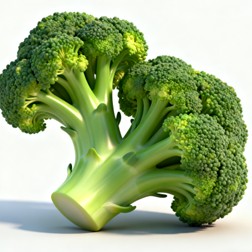
Broccoli, a cruciferous vegetable long celebrated for its dense nutritional profile, is a rich source of bioactive compounds such as sulforaphane, glucoraphanin, ascorbic acid, and phenolic compounds. These molecules are fundamentally linked to its demonstrated health benefits, including potent antioxidant action, anti-cancer effects, cardiovascular protection, and immune-modulatory capacity. In contemporary biomedical research, the focus has shifted from the bulk composition of this vegetable to its inherent nanoscale delivery systems: exosomes.
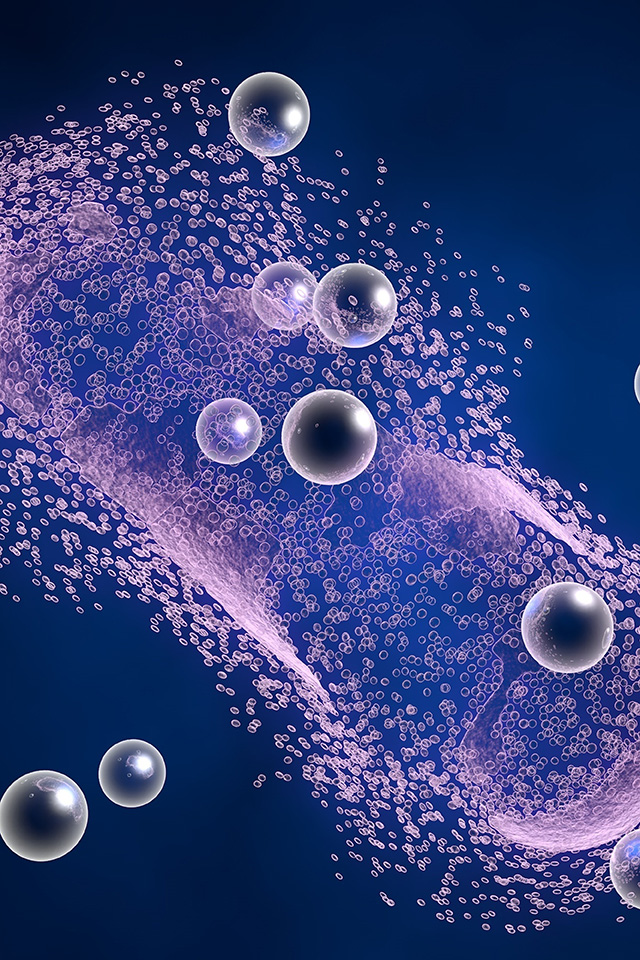
Exosomes are endosome-derived nanovesicles (typically 30–150 nm in diameter) integral to intercellular communication. They carry a complex cargo of proteins, lipids, and nucleic acids (e.g., microRNAs) that can be functionally transferred to recipient cells, modulating their behavior. Plant-derived exosomes, particularly those from edible sources like broccoli, have garnered significant attention due to their intrinsic properties: high bioavailability, stability in the gastrointestinal tract, low immunogenicity, capacity for large-scale production, and cost-effectiveness. The investigation into broccoli-derived exosomes (Bro-Exos) represents a critical new frontier, seeking to isolate and leverage these natural nanocarriers to translate the known health benefits of broccoli into targeted therapeutic strategies.
Unlock the Power of Broccoli-Derived Exosomes. Request a Consultation.
Intrinsic Advantages: Bro-Exos as Ideal Nanocarriers
Bro-Exos possess several characteristics that position them as promising candidates for advanced nanomedicine, particularly in drug delivery and regenerative biology:
Oral Bioavailability and Gastrointestinal Stability
Unlike many synthetic nanocarriers, Bro-Exos demonstrate high stability when administered orally. Research has shown that they can successfully traverse the harsh environment of the gastrointestinal tract, interacting with gut microbes and being taken up by intestinal cells, which is crucial for maximizing therapeutic effect through oral dosing.
Low Immunogenicity and High Biocompatibility
As naturally occurring vesicles derived from a common food source, Bro-Exos exhibit negligible toxicity and low risk of triggering adverse immune responses in mammalian systems, making them inherently safer for applications than many synthetic alternatives.
Targeted Delivery to the Gut and Beyond
The physicochemical properties of Bro-Exos make them ideal for targeted delivery to the intestinal mucosa. This natural tropism to the gut is key to applications targeting conditions like inflammatory bowel disease (IBD), colitis, and dysbiosis, providing a localized therapeutic effect.
Endogenous Bioactive Cargo
Beyond acting as inert carriers, Bro-Exos naturally encapsulate potent antioxidant and anti-inflammatory phytochemicals (e.g., flavonoids, glucosinolates) and regulatory miRNAs, which contribute directly to their therapeutic efficacy.
Explore How Plant Exosomes Can Elevate Your R&D. Contact Us Today.
Mechanistic Insights: A Summary of Bro-Exos Research Findings
Recent high-impact publications have begun to elucidate the therapeutic mechanisms and functional utility of Bro-Exos, demonstrating their role across several major disease models:
|
Research Area
|
Target/Model System
|
Key Mechanism and Findings
|
|
Gastrointestinal Disorders
|
Loperamide-induced constipation in mice; Dendritic Cells (DCs)
|
Bro-Exos significantly alleviate constipation by restoring LOP-disordered gut microbiota, altering microbial tryptophan metabolism, and increasing excitatory neurotransmitters (SP, MTL). They also induce tolerogenic AMPK+DCs to inhibit mouse colitis.
|
|
Oncology and Anti-Proliferation
|
Melanoma, Human Colorectal Adenocarcinoma (HCA), Pancreatic Cancer Cells
|
Bro-Exos, particularly those loaded with specific compounds (e.g., sulforaphane, astaxanthin, or miR167a), inhibit cancer cell proliferation and promote apoptosis. The miR167a-loaded exosomes (from selenium-rich broccoli) promote apoptosis in pancreatic cancer by regulating the IRS1/PI3K/AKT pathway.
|
|
Wound Healing and Anti-Infection
|
MRSA-infected wounds in mice
|
When integrated into a composite hydrogel, Bro-Exos promote anti-scarring healing. They regulate the immune microenvironment by inhibiting the NF-kB pathway and driving macrophages toward an anti-inflammatory phenotype, providing synergistic anti-infection and regenerative modulation.
|
|
Exogenous miRNA Delivery
|
Caco-2 intestinal cells, HCA cells
|
Bro-Exos function as superior nanocarriers for synthetic therapeutic miRNAs. They confer stability against RNase degradation and efficiently ferry therapeutic miRNA combinations into recipient cells, promoting cell toxicity or therapeutic function relative to free miRNA.
|
These findings underscore the versatility of Bro-Exos, showcasing their capacity to act both through their intrinsic cargo and as highly efficient vectors for exogenous therapeutic agents.
Discover What Broccoli Exosomes Can Do for Your Product. Get in Touch.
Bro-Exos in Future Medicine and Beyond
The demonstrated biological activities of Bro-Exos open promising avenues for development in both therapeutics research and cosmeceutical applications:
 Gastrointestinal Therapeutics
Their natural tropism and ability to modulate gut microbiota and mucosal immunity position them as prime candidates for novel treatments for IBD, irritable bowel syndrome, and chronic constipation, offering a regimen with reduced dependency and side effects compared to current drugs.
Targeted Cancer Nanomedicine
Bro-Exos can be engineered (via post-loading or source plant modification) to deliver potent chemotherapeutic or gene-silencing agents (e.g., therapeutic miRNAs) specifically to tumor sites, potentially reducing systemic toxicity and increasing efficacy in hard-to-treat cancers like pancreatic and colorectal adenocarcinoma.
Wound Care and Regeneration
The integration of Bro-Exos into biomaterials, such as advanced hydrogels, offers an innovative strategy for treating complex, drug-resistant infections and promoting scarless healing by simultaneously managing inflammation, microbial load, and regenerative signaling pathways.
Skincare Ingredient Sector
Given their anti-inflammatory, antioxidant, and regenerative properties, processed Bro-Exos are increasingly being utilized as sophisticated, natural ingredients in high-end skincare formulations to enhance skin barrier function, reduce oxidative stress, and promote cellular vitality.
Accelerate Your Innovation with Plant Nanovesicles. Request Pricing Now.
Your End-to-End Partner in Exosome Research and Development
As a leading biotechnology firm with over two decades of specialization in exosome technologies, Creative Biolabs is uniquely positioned to accelerate the full research and translational development lifecycle of Bro-Exos. Our expertise ensures a seamless, one-stop process from initial isolation to final product manufacturing.
Exosome Functional Research Services
Our plant-derived exosome isolation services utilize gold-standard techniques to guarantee preparations of exceptional purity and yield. Following isolation, our comprehensive characterization services, including nanoparticle tracking analysis (NTA) for size distribution, transmission electron microscopy (TEM) for morphology, and mass spectrometry-based proteomics/lipidomics, provide the rigorous data required for high-impact scientific publications and regulatory submissions.
To maximize the therapeutic index of Bro-Exos, we offer advanced engineering solutions:
-
Exosome Post-Loading Services: Efficient encapsulation of exogenous therapeutic agents, such as synthetic miRNAs, small molecules (e.g., astaxanthin, sulforaphane), or siRNAs, into Bro-Exos.
-
Disease-Targeted Exosome Modification: Strategies to enhance target specificity, such as cancer-targeted exosome modification, to improve delivery precision in vivo and reduce off-target effects.
Exosome Functional Research Services
Furthermore, our Exosome Functional Research Services provide a comprehensive evaluation pipeline, encompassing in vitro recipient cell assays (e.g., cell viability, migration, uptake observation using fluorescence labeling) and sophisticated in vivo studies, including fluorescence-labeled exosome biodistribution analysis in animal models and tissue section analysis.
Custom Manufacturing and Product Line Integration
Creative Biolabs supports the transition of promising research from the bench to commercial reality with dedicated Exosome Manufacturing Services. We adhere to stringent quality standards, providing multi-dimensional product testing to ensure batch consistency and regulatory compliance for translational research.
We offer readily available, high-quality plant-derived exosome products that have already found successful application in the skincare ingredient sector and as part of our standardized exosome product line for research. For clients specifically interested in the large-scale production or customized loading of Broccoli-derived Exosomes, we provide tailored solutions that meet precise specifications for purity, yield, and specific cargo encapsulation.
FAQs
Q: What is the primary advantage of using Bro-Exos over synthetic liposomes for drug delivery?
A: Bro-Exos offer the distinct advantages of low immunogenicity, inherent stability in the GI tract, and a natural, endogenous cargo of bioactive molecules, which synthetic liposomes typically lack. They are also sourced from a highly sustainable and cost-effective vegetable, facilitating large-scale, economical production.osome.
Q: Can Bro-Exos be engineered to target specific human tissues outside of the gut?
A: Yes. our disease-targeted exosome modification services can introduce surface ligands, peptides, or aptamers to the exosomal membrane, re-directing them to specific receptors expressed on cancer cells or other target tissues in vivo, significantly enhancing their therapeutic precision.
Q: What kind of analytical characterization is provided to confirm the efficacy of therapeutic loading?
A: We offer comprehensive characterization to confirm successful loading, including quantitative PCR (qPCR) for miRNA/RNA cargo, HPLC-MS/MS for small molecule drug content, and functional in vitro assays (e.g., cell viability, regulation of gene expression) to demonstrate the biological activity of the loaded therapeutic agent upon cellular uptake.
Harness Broccoli-Derived Exosomes for Advanced Research. Connect With Us.
For Research Use Only. Cannot be used by patients.
Related Services: