Vegetable-derived Exosome Research & Applications
Overview Advantages Research Potentiality Services Products FAQs
Nanovesicles: A New Player in Vegetable
The field of health and nutrition has long celebrated the profound benefits of vegetable- and plant-derived compounds, attributing enhanced human health and disease resilience to their rich content of vitamins, minerals, antioxidants, and dietary fiber. However, the therapeutic potential of these components is frequently constrained by limitations in bioavailability, systemic stability, and targeted cellular uptake.

Unlock the Therapeutic Power of Nature. Get in Touch with Our Experts.
A Paradigm Shift: From Nutrients to Natural Nanocarriers
Recent advances in cell biology have revealed a new layer of complexity behind plant-derived health benefits — exosomes that mediate intercellular communication through paracrine signaling. These vesicles offer unprecedented advantages:

High Stability
Resistant to enzymatic degradation and harsh physiological conditions

Non-Toxic and Biocompatible
Naturally derived and safe for systemic use

Efficient Cargo Delivery
Capable of crossing biological barriers and delivering bioactive molecules

Complex Payloads
Can encapsulate proteins, mRNAs, miRNAs and other small molecules.
Comparison: Traditional Phytochemicals vs. Exosome-Based Delivery
|
Feature
|
Traditional Plant Compounds
|
Vegetable-Derived Exosomes (VEDEs)
|
|
Bioavailability
|
Often limited due to digestion or metabolism
|
Protected by lipid bilayer for enhanced stability
|
|
Systemic Stability
|
Rapid degradation in biological systems
|
Highly stable in circulation
|
|
Targeted Delivery
|
Passive diffusion only
|
Active, receptor-mediated cellular uptake
|
|
Therapeutic Cargo
|
Single-molecule nutrients
|
Multifactorial cargo (proteins, RNAs, lipids)
|
|
Cross-Kingdom Transfer
|
Rare
|
Proven ability to deliver signals across species
|
Extensive investigations confirm that vegetable juices and extracts are rich sources of plant-derived exosomes (PDEs), which encapsulate and protect the very beneficial nutrients responsible for health promotion. The inherent stability and cross-kingdom delivery potential of these vegetable-derived exosomes (VEDEs) position them as a novel, highly promising platform for advanced drug delivery, precision nutraceuticals, and next-generation therapeutics.
At Creative Biolabs, we are pioneering the isolation, characterization, and functional validation of these nanovesicles—bridging the gap between fundamental discovery and translational application.
Ready to Explore the Future of Plant-Based Exosome? Contact Us Today.
Potential Molecular Mechanisms and Translational Utility
The transition from administering bulk vegetable extracts to utilizing VEDEs offers several distinct advantages that address the long-standing challenges of conventional nutraceutical development:
 Enhanced Bioavailability and Systemic Stability
The phospholipid bilayer membrane of the exosome protects its internal cargo (such as vulnerable RNAs or hydrophilic polyphenols) from degradation by the harsh environment of the gastrointestinal tract and systemic circulation. This natural encapsulation significantly improves the half-life and in vivo stability of the active components.
Cellular Uptake
VEDEs are inherently optimized for cellular interaction. Their surface proteins and lipids facilitate specific internalization into cells, often via endocytosis, enabling direct delivery of their bioactive payloads into the cytoplasm. This is a critical factor for influencing cellular signaling pathways.
Low Immunogenicity and High Biocompatibility
Derived from non-mammalian sources, VEDEs present minimal risk of cross-contamination with human pathogens and exhibit low immunogenicity. This makes them an exceptionally safe and highly biocompatible vector for therapeutic applications, unlike many synthetic liposomal or nanoparticle delivery systems.
Complex Cargo Delivery
Unlike single-molecule drugs, VEDEs deliver a synergistic molecular cocktail. The simultaneous delivery of multiple small molecules, non-coding RNAs, and regulatory proteins can modulate complex signaling cascades, offering a multi-target therapeutic approach that mimics natural biological regulation.
Transform Your Research with Our Exosome Expertise — Request a Consultation.
Translational Landscape: A Portfolio of Current Research
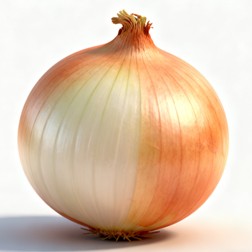
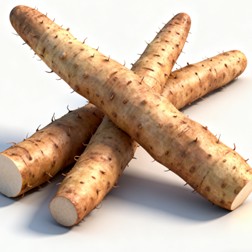
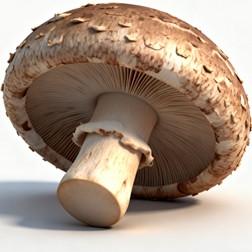
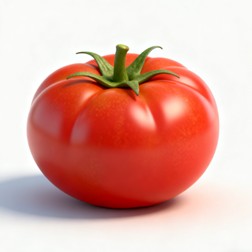
The scope of VEDE research is rapidly expanding, establishing a robust basis for their application across various health disciplines. Current investigative work includes, but is not limited to, VEDEs derived from:
Driving Applications in Precision Health
The inherent qualities of VEDEs translate into highly disruptive potential across three primary sectors of biomedical science:
Cosmeceuticals and Dermatological Innovation
The application of VEDEs topically is particularly exciting. The nanovesicles can penetrate the stratum corneum barrier, delivering powerful anti-inflammatory, antioxidant, and regenerative signals directly to dermal and epidermal layers. This offers a potent, natural alternative for developing advanced anti-aging creams, wound healing formulations, and treatments for inflammatory skin conditions like eczema and psoriasis.
Nutraceuticals and Functional Food Design
VEDEs represent the ultimate form of "precision nutraceutical." Instead of relying on passive absorption of a raw supplement, the encapsulated nature of VEDEs ensures that the functional components are actively delivered to the relevant gut or systemic cells. This drastically increases efficacy in areas such as gut microbiome modulation, improved lipid metabolism, and sustained antioxidant defense.
Advanced Drug Delivery and Therapeutics
VEDEs can function as sophisticated, naturally-derived nanocarriers. They can be engineered through post-isolation loading—to carry specific small molecule drugs or nucleic acid therapeutics (like siRNA or antisense oligonucleotides) to pathologically relevant cells (e.g., tumor cells). Their ability to naturally cross the intestinal barrier and, in some cases, the blood-brain barrier, makes them ideal candidates for oral administration and the treatment of central nervous system (CNS) disorders.
Partner with Creative Biolabs to Advance Your Vegetable-Derived Exosome Discovery.
Creative Biolabs' End-to-End R&D Pipeline
As a leader in exosome technology for over two decades, Creative Biolabs provides comprehensive, integrated support for VEDE research, from initial sourcing to in vivo validation. Our commitment to high-impact science ensures the delivery of products and data suitable for publication standards.
Isolation and Advanced Characterization
Functional Validation and Efficacy Evaluation
Our service platform begins with proprietary plant-derived exosome isolation services, optimized for high yield and purity across diverse vegetable matrices. Crucial to translational success is meticulous characterization:
Functional Validation and Efficacy Evaluation
To evaluate the therapeutic potential of VEDEs, we offer robust in vitro and in vivo functional research services:
Harness the Healing Power of Plants — Speak with Our Scientists Today.
Products: High-Purity VEDEs for Research and Commercialization
Leveraging our proprietary isolation protocols, we offer an array of high-quality, standardized VEDE products optimized for both basic research and commercial application as a refined, functional ingredient.
Our ready-to-use popular plant-derived exosome products are supplied with stringent quality control, ensuring reproducible results for scientific studies. For partners developing novel cosmetics, these products represent a purified, validated raw material, ready for formulation. Recognizing the diversity of the plant kingdom, Creative Biolabs also provides customized sourcing and isolation quotes for virtually any target vegetable, guaranteeing a reliable and scalable supply chain tailored to your specific R&D requirements.
Tell me Your Target Plant.
FAQs
Q: How do you confirm that the isolated nanovesicles are indeed exosomes and not other contaminants like protein aggregates?
A: We adhere to the Minimal Information for Studies of Extracellular Vesicles guidelines. Our isolation relies on ultracentrifugation or proprietary filtration methods, followed by classic validation. This includes: (1) Morphology confirmation via TEM; (2) Size Distribution analysis via NTA.
Q: How is the stability of VEDEs for commercial products?
A: Stability is highly source-dependent, but VEDEs generally exhibit superior robustness compared to mammalian exosomes. We provide stability assessments focus on maintaining vesicle integrity under various storage conditions (e.g., lyophilization or -80℃ storage).
Q: Can VEDEs pass through the intestinal epithelial barrier when administered by oral gavage? How can this process be tracked in the body?
A: Yes, the literature indicates that VEDEs can penetrate the intestinal barrier, possibly through cellular uptake. Customers can track the distribution of VEDEs in the body by combining purified VEDEs with traceable fluorescent dyes (such as DiI or DiR). Then, using advanced imaging techniques (such as in vivo fluorescence imaging), customers can observe the movement of VEDEs into the target organs after oral gavage, thereby providing clear evidence of administration.
Discover Nature's Nanocarriers. Collaborate with Creative Biolabs.
For Research Use Only. Cannot be used by patients.
Related Services: