Tumor and Cancer Tissue Exosome Research and Application
Overview Our Offerings Explore Applications Workflow Advantages Customer Review FAQ
Introduction: Unveiling the Hidden Messengers in Tumor Microenvironments
-
Exosomes play a role in the growth of malignancies and the formation of treatment resistance. To resolve exosomal communication among cell subpopulations in TME and create a thorough cellular communication map to investigate the actual microenvironment, tumor tissue exosomes can be used in conjunction with cutting-edge technologies like single-cell sequencing. The communication between primary tumor cells and the extracellular matrix milieu in distal organs is also mediated by tumor tissue exosomes, which is another extremely intriguing area to research. Additionally, utilizing the ability of tumor tissue exosomes to trigger anti-tumor immunity would undoubtedly result in advancements in tumor treatment.
-
The primary focus of tumor-related exosome research is on exosomes from various bodily fluids or cell supernatants, and some of these exosomes have been evaluated as biomarkers for the diagnosis and prognosis of diseases. It is not obvious whether the detected biomarkers are of tumor-specific origin because these exosomes are made up of a complex makeup that arises from the fact that they originate from a variety of cells, and only a small fraction of them are disease-derived exosomes. To better understand the TME, exosomes that have been isolated from tumor tissue cells contain a more authentic and abundant source of data.
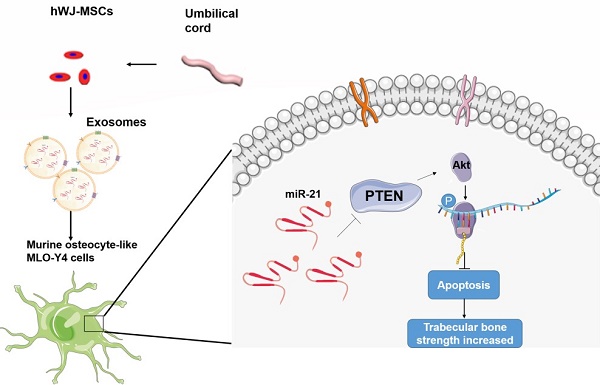 Fig.1 Tumor-derived exosomes and their role in cancer progression.1
What We Provide: Specialized Tissue-Based Exosome Services
Creative Biolabs has developed a dedicated pipeline for tissue-derived exosome research, delivering robust, reproducible, and biologically relevant data tailored to the needs of cancer researchers. Our services extend beyond isolation to encompass full-spectrum analytical and functional investigation.
Key service areas include:
Analysis of exosomes derived from primary or metastatic melanoma tissues to reveal their role in immune evasion or progression.
Investigation into epithelial and stromal communication via colonic tumor exosomes, with potential implications for biomarker discovery.
Profiling of exosomal miRNA and protein cargo from aggressive pancreatic tumor samples to understand mechanisms of desmoplasia and chemoresistance.
Dissection of the exosome-mediated crosstalk between lung tumor cells and the surrounding immune/stromal environment, with a focus on their role in early metastasis, immune checkpoint modulation, and response to chemotherapy.
Isolation and profiling of RCC tissue-derived exosomes to explore their contribution to angiogenesis, immune escape, and metabolic reprogramming. Our RCC-specific workflows help identify vesicle-associated signatures with potential relevance to disease progression or recurrence.
-
Customized Pathological Tissue Exosome Studies
Services available for other tumor types (e.g., breast, lung, liver) upon request, including co-analysis with bulk or single-cell transcriptomics.
Tissue-Derived Exosomes: Uncovering New Insights in Disease Mechanisms
Exosomes isolated directly from tumor tissues have emerged as a powerful tool in deepening our understanding of cancer biology. Unlike exosomes obtained from cell lines or body fluids, tissue-derived exosomes offer a more physiologically relevant snapshot of the tumor microenvironment (TME), capturing the complex interplay between cancer cells and surrounding stromal, immune, and vascular components. At Creative Biolabs, we recognize the unique value these vesicles bring to disease research and have developed comprehensive methods to help researchers decode their functional roles.
Key Research Directions Enabled by Tissue Exosome Analysis:
-
Advancing Biomarker Discovery
By comparing exosomes extracted from tumor tissues with those found in peripheral fluids (such as plasma or urine), researchers can identify markers that are more tightly associated with the tumor itself rather than background signals from unrelated cells. This approach helps refine the search for truly tumor-specific biomarkers, enhancing the precision of diagnostic and prognostic tools.
-
Illuminating the Role of Exosomes in the Tumor Microenvironment
Tissue-derived exosomes reflect the active state of tumors in their native setting. For example, exosomes isolated from gastric tumor tissues have been shown to prolong neutrophil survival and stimulate pro-inflammatory signaling in a manner consistent with in vitro studies, but with greater biological relevance. These vesicles contribute to the remodeling of the TME, supporting tumor growth, immune evasion, and angiogenesis. Studying them directly from the tumor context provides insights that are difficult to replicate through model systems alone.
-
Exploring Immunotherapeutic Applications
When paired with other immunostimulatory agents, exosomes from tumor tissues have demonstrated the ability to provoke specific immune responses. One study involving melanoma tissue-derived exosomes showed that combining them with engineered bacterial vesicles enhanced both T-cell activation and antibody production. The result was measurable tumor regression in preclinical models. This suggests that tumor tissue exosomes may serve as a component in cancer vaccine strategies or other immunotherapies, capable of priming the immune system against specific tumor antigens.
Stepwise Path: From Tissue to Insightful Exosome Data
Our tumor tissue exosome research workflow is designed to ensure purity, consistency, and scientific rigor at every stage.
-
Tissue Handling & Optimization
Clients can send frozen or freshly resected tumor tissues. Creative Biolabs offers pre-processing services such as enzymatic digestion and differential centrifugation to optimize vesicle yield.
Employing techniques such as ultracentrifugation, SEC (size-exclusion chromatography), and immunoaffinity capture, Creative Biolabs isolates exosomes with minimal contamination.
-
Quality Control & Characterization
Vesicle size and concentration are confirmed via NTA; TEM and western blotting are used to validate exosomal morphology and marker expression.
We offer RNA-seq, proteomics, lipidomics, and small RNA arrays to deeply investigate the contents of tumor tissue-derived exosomes.
Includes in vitro co-culture, immune cell activation, migration, invasion, and cytokine release assays to assess the biological impact of tumor exosomes.
Bioinformatic pipelines tailored to your hypothesis: exosome heterogeneity, cell-of-origin estimation, and pathway enrichment analysis.
Why Choose Creative Biolabs: Your Trusted Research Partner
Researchers working with Creative Biolabs benefit from a highly tailored approach and a collaborative mindset. Our tumor tissue exosome services offer:
-
Direct tumor-tissue origin, avoiding dilution or confounding from mixed fluid exosome sources
-
Expertise in fragile tumor types and low-yield tissues
-
Integration with single-cell and spatial transcriptomics platforms
-
Real-time support from PhD-level scientists
-
Rapid turnaround without compromising quality
We understand that each study is unique. Creative Biolabs' team works closely with clients to align experimental design with project goals, ensuring meaningful, publication-ready results.
Voices from Our Collaborators
"Creative Biolabs helped us uncover how melanoma tissue exosomes modulate macrophage polarization. Their insights reshaped our understanding of immune resistance."
— Dr. N. LXXXX
"The ability to extract tumor-specific vesicles directly from colon cancer tissue gave our study an edge over traditional biofluid-based analyses."
— Prof. L. CXXXX
Creative Biolabs offers a wide range of custom research services for tumor and cancer tissue exosomes to achieve client project objectives. Please contact us with your requirements.
FAQs
Q: What are the challenges in studying exosomal content from heterogeneous tumor tissues?
A: The heterogeneity of tumor tissues presents challenges in obtaining a representative exosomal sample. Variability in exosome production among different tumor cell types, as well as the influence of the surrounding stroma, can complicate the analysis and interpretation of exosomal cargo.
Q: Can exosomes derived from tumor cells influence therapeutic resistance?
A: Yes, exosomes from tumor cells can carry molecules that contribute to therapeutic resistance. By transferring resistance-related proteins or RNAs to neighboring cells, they can alter cellular responses to treatment and enable the survival of resistant cell populations.
Q: How can exosomal research contribute to understanding cancer stem cells?
A: Exosomes may play a key role in the maintenance and propagation of cancer stem cells by mediating their interactions with the tumor microenvironment. Investigating exosomal factors can provide insights into the pathways that sustain stemness and therapy resistance.
Q: How can the integrity and quality of exosome samples be guaranteed?
A: We employ standardized isolation protocols, such as ultrafiltration and density gradient centrifugation, followed by stringent quality control measures, including particle size analysis and morphology assessments through electron microscopy. This ensures the preservation of exosome integrity and a reliable sample for downstream applications.
Q: Can you accommodate custom research projects focused on specific tumor types?
A: Yes, we offer tailored services to address specific research needs related to various tumor types. Our team can work closely with you to design custom projects that align with your research objectives, ensuring that we meet the specific requirements of your academic studies.
Q: How do you handle sample processing and data turnaround time?
A: Our timetables for processing and analysis are made to be both effective and high-quality. We usually deliver an analysis in a few months, though exact timelines could change depending on the project's complexity. We make sure there is constant communication to keep you informed of developments.
Reference
-
Paskeh, Mahshid Deldar Abad, et al. "Emerging role of exosomes in cancer progression and tumor microenvironment remodeling." Journal of hematology & oncology 15.1 (2022): 83. Distributed under Open Access license CC BY 4.0, without modification.
For Research Use Only. Cannot be used by patients.
Related Services: