
Bioconjugation for Therapeutics
Are you facing challenges with poor drug stability, off-target toxicity, or low therapeutic efficacy? Our custom bioconjugation services at Creative Biolabs help you overcome these critical hurdles. We create highly targeted, stable, and potent therapeutics by leveraging state-of-the-art linker technologies, a diverse portfolio of carrier molecules, and advanced site-specific conjugation chemistries to transform the performance of your drug candidates.
Introduction to Bioconjugate Therapeutics
Bioconjugate therapeutics represent a cutting-edge class of biomedical agents that combine the precision of biological molecules with the potency of synthetic therapeutics. By covalently linking biomolecules (e.g., antibodies, peptides, or nucleic acids) to functional payloads (e.g., cytotoxic drugs, radionuclides, or imaging agents), these hybrid constructs enable targeted delivery, enhanced efficacy, and reduced systemic toxicity.
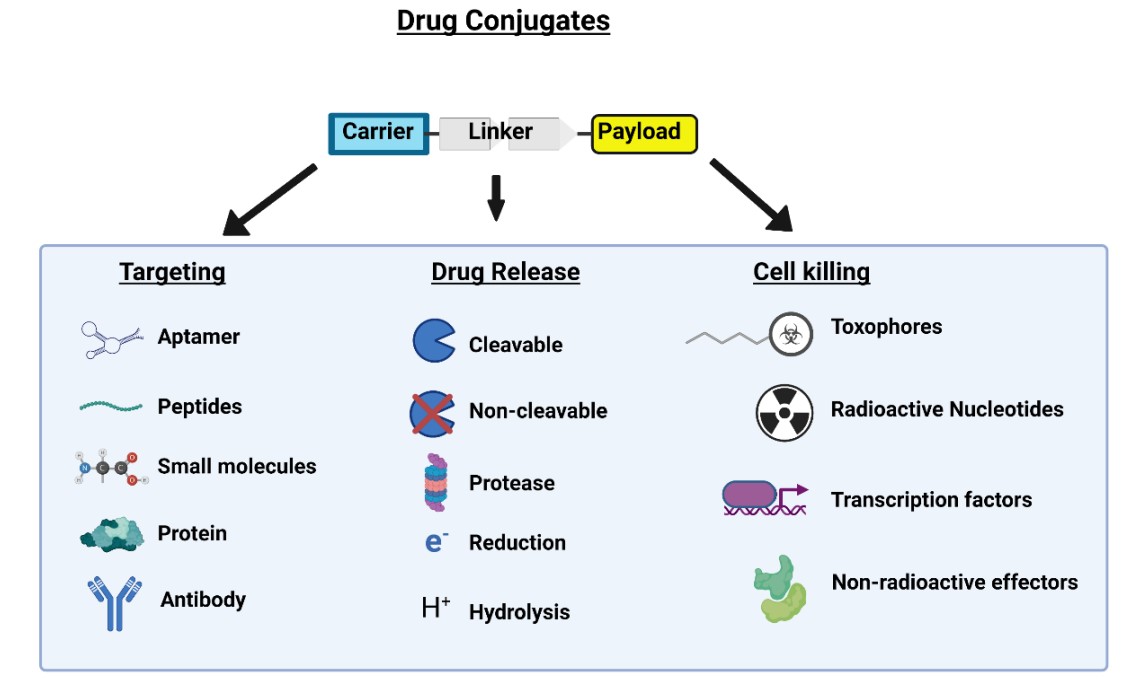 Fig.1 The composition of drug conjugates.1
The field has seen tremendous progress, particularly with the clinical success of antibody-drug conjugates (ADCs). However, the journey from concept to a clinically viable product is fraught with complexity. Developing these multi-component systems requires overcoming significant challenges in identifying critical product attributes, establishing robust validation methods, and ensuring product quality and homogeneity. This complexity underscores the critical need for a partner with deep expertise in conjugation chemistry, protein engineering, and analytical characterization. Creative Biolabs provides that essential expertise, turning innovative concepts into tangible therapeutic assets.
Major Disease Applications of Bioconjugation
The versatility of bioconjugation allows for its application across a wide spectrum of therapeutic areas, addressing some of the most challenging diseases.
This remains the most established application, wherein cytotoxic drugs are conjugated to targeting agents (e.g., antibodies) that selectively bind cell-surface receptors upregulated in malignancies. This strategy, exemplified by ADCs, allows for the delivery of lethal payloads directly to cancer cells, sparing healthy tissue and dramatically widening the therapeutic window of highly toxic drugs.
- Autoimmune Disorders
Bioconjugates can deliver immunomodulatory or immunosuppressive agents directly to activated immune cells or specific sites of inflammation. This targeted approach can rebalance the immune system to treat conditions like rheumatoid arthritis or lupus with greater efficacy and fewer side effects associated with systemic immune suppression.
- Infectious Diseases
By conjugating potent antimicrobial agents to targeting moieties that recognize specific pathogens (bacteria, viruses, or fungi), bioconjugates can enhance drug concentration at the site of infection. This increases potency, helps overcome microbial resistance mechanisms, and reduces the overall dose required.
- Central Nervous System (CNS) Disorders
The blood-brain barrier (BBB) is a major obstacle to treating neurodegenerative diseases. Bioconjugates are being engineered with specific carriers or ligands that can facilitate transport across the BBB, offering a promising new avenue for delivering therapeutics for conditions like Alzheimer's and Parkinson's disease.
- Metabolic and Cardiovascular Diseases
Targeting specific organs, such as the liver for treating hyperlipidemia or the heart for post-infarction repair, is achievable with bioconjugates. By attaching therapeutics to molecules that are recognized by specific receptors in these organs, treatment can be focused where it is needed most, improving outcomes and safety.
Why Choose Us?
Navigating the complexities of bioconjugate development requires a partner with specialized expertise, cutting-edge technology, and a proven track record. Creative Biolabs is that partner.
- Mastery of Site-Specific Conjugation: Our expertise in advanced site-specific techniques ensures the production of highly homogeneous bioconjugates.
- Advanced Linker Technology: The linker is critical for success. We offer an extensive portfolio of both cleavable and non-cleavable linkers, including advanced stimuli-responsive systems that are designed to release their payload only in response to specific microenvironments (e.g., the low pH concentration of a tumor).
- Versatile Carrier Molecule Expertise: Whether your project requires a highly specific monoclonal antibody, a solubility-enhancing polymer, or a cell-penetrating peptide, our teams have the experience to work with a diverse range of carrier molecules, ensuring the optimal design for your therapeutic goal.
- Comprehensive End-to-End Support: At Creative Biolabs, we provide integrated support from initial strategic design and feasibility studies through to process development, scale-up, and the establishment of robust analytical methods for characterization
Related Services
To fully support your drug development pipeline, Creative Biolabs offers a suite of complementary services designed to integrate seamlessly with your bioconjugation project.
- Custom Peptide Synthesis: Synthesize custom peptides to serve as targeting ligands, payloads, or components of your linker system.
- Custom Small Molecule Synthesis: Synthesize custom small molecule drugs or linker components with the precise functionality needed for conjugation.
- Advanced Analytical Services: Access a full range of analytical techniques, including HPLC, mass spectrometry, and binding assays, to fully characterize your bioconjugate.
Advance Your Pipeline with Creative Biolabs
Creative Biolabs provides the specialized expertise and technology platform to help you design, develop, and characterize next-generation bioconjugate therapeutics. We partner with you to overcome technical challenges and accelerate your research. Our team of specialists is ready to discuss your unique project needs. Contact us for more details.
Reference
- Heh, Ethan, et al. "Peptide drug conjugates and their role in cancer therapy." International Journal of Molecular Sciences 24.1 (2023): 829. Under open access license CC BY 4.0, without modification.