
Nanoparticles & Beads Conjugation Service
As a leading expert in bioconjugation, Creative Biolabs is proud to launch our custom nanoparticle and microbead conjugation service, a meticulously designed platform to advance drug delivery, diagnostics, and basic biology research.
Nanoparticles & Beads Conjugation Introduction
What are Nanoparticles & Beads?
Nanoparticles are microscopic particles with a size smaller than 100 nanometers. Semiconductor nanoparticles with a size smaller than 10 nanometers are also called quantum dots because they have quantised electronic energy levels. Nanoparticles can exist in the form of emulsions, polymers, ceramic particles, metal particles, and carbon particles.
Highlights
Conjugating biomolecules with nanoparticles and micron-sized beads is a fundamental strategy in modern diagnostics, therapeutics, and life science research. By functionalizing these substrates, researchers can leverage their high specific surface area, multivalence, and unique optical or magnetic properties.
- ✅Enhanced Sensitivity and Affinity
- ✅Targeted Delivery
- ✅Separation and Purification
Our Collaboration Process
At Creative Biolabs, we've established a streamlined and efficient collaborative workflow to ensure every project benefits from our extensive expertise and your valuable scientific insights.
Phase 1: Comprehensive Consultation
We begin each collaboration with an in-depth exploratory meeting. In this meeting, our technical experts will work closely with you to understand your research objectives, experimental systems, and specific performance requirements.
Phase 2: Molecular Design
We utilise an AI-driven chemical synthesis platform, employing predictive algorithms to model polymer-fluorophore interactions and optimize conjugate design before lab work begins.
Phase 3: Synthesis and Conjugation
Our team employs specialized conjugation techniques for controlled synthesis, which may include cryo-assisted strategies to improve reaction efficiency and product yield.
Phase 4: Purification and Characterization
For nanoparticle-based conjugates, we use advanced techniques, such as resistance pulse sensing combined with RPS-FLIM, to evaluate individual particles and ensure their population homogeneity.
Phase 5: Validation and Delivery
We conduct application-specific validation to confirm their performance under conditions simulating your expected experimental environment.
Discover the Ideal Services for Your Research
Creative Biolabs' ability to construct highly specific and stable conjugates between a wide range of biomolecules and functionalized substrates forms the basis of our service portfolio, built upon our core polymer-fluorophore conjugation technology.
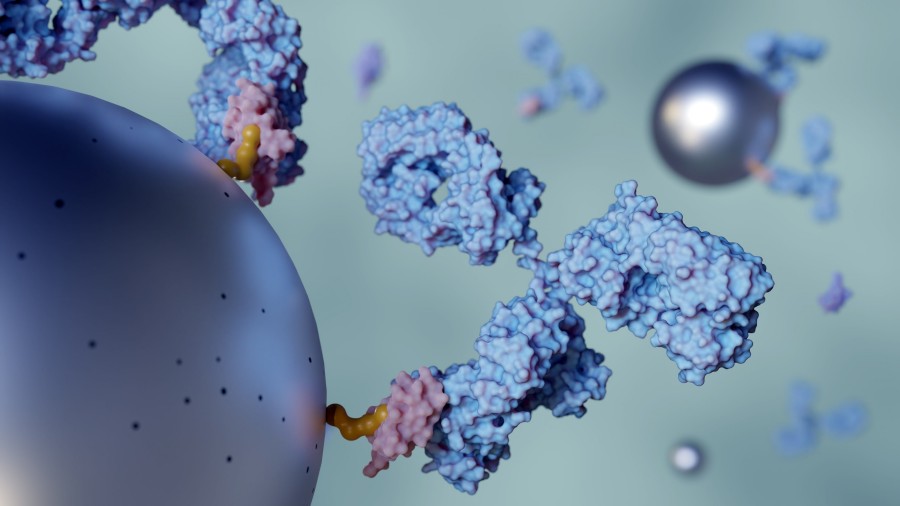
Custom Nanoparticle-Antibody Conjugation Service
This service focuses on conjugating monoclonal or polyclonal antibodies to nanoparticle surfaces. Polymer-fluorophore conjugates can be integrated into nanoparticle surfaces as fluorescent reporter molecules or as linkers to enhance antibody stability and solubility. The resulting immunoconjugates are crucial for high-performance immunoassays, immunohistochemistry (IHC), and flow cytometry, providing unparalleled specificity and signal amplification.
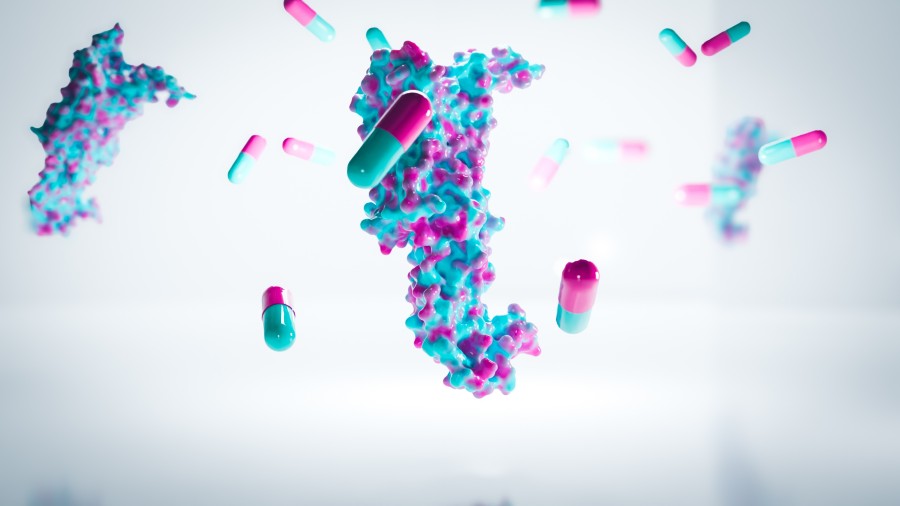
Custom Nanoparticle-Peptide Conjugation Service
Peptides are commonly used as targeting ligands (e.g., RGD peptides for integrin targeting) or therapeutic agents. Conjugating them to polymer-fluorophore-functionalized nanoparticles facilitates targeted drug delivery and molecular imaging of specific receptors. Polymer components (e.g., polyethylene glycolation) are often used to conceal nanoparticles, extending their circulation time in vivo, while fluorophores provide real-time tracking capabilities.
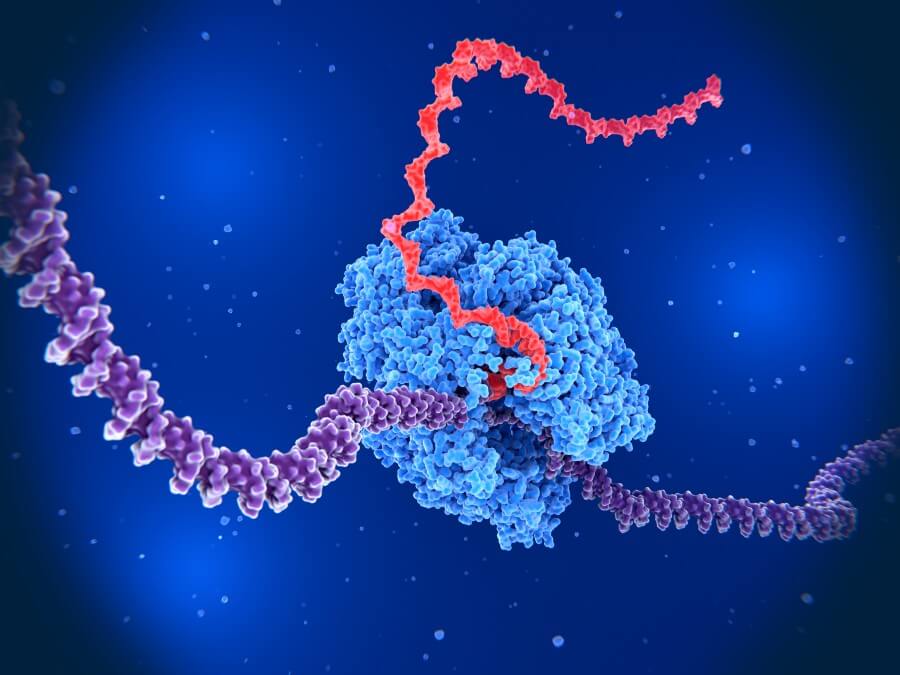
Custom Nanoparticle-siRNA Conjugation Service
Efficient delivery of small interfering RNA (siRNA) or microRNA (miRNA) remains a major challenge in gene therapy. We use custom cationic polymers (e.g., polylysine) conjugated with fluorophores for nonviral gene delivery. The cationic polymer binds to anionic siRNA via electrostatic interactions, forming polymers, while the fluorophore provides crucial evidence of delivery efficiency for cellular uptake monitoring and intracellular transport studies.
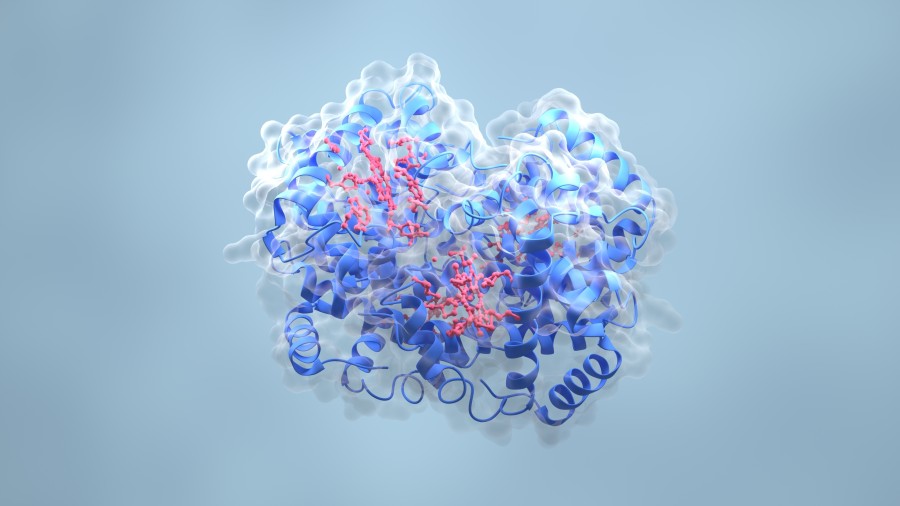
Custom Nanoparticle-Streptavidin Conjugation Service
Streptavidin has an extremely high affinity for biotin and is a cornerstone of many amplification strategies. Conjugating streptavidin to functionalized nanoparticles allows for the construction of multifunctional fluorescent probes capable of binding to any biotinylated molecule (antibody, peptide, or nucleic acid), thereby enhancing signal intensity for various diagnostic methods, including microscopy and biosensor development.
Custom Nanoparticle-Lectin Conjugation Services
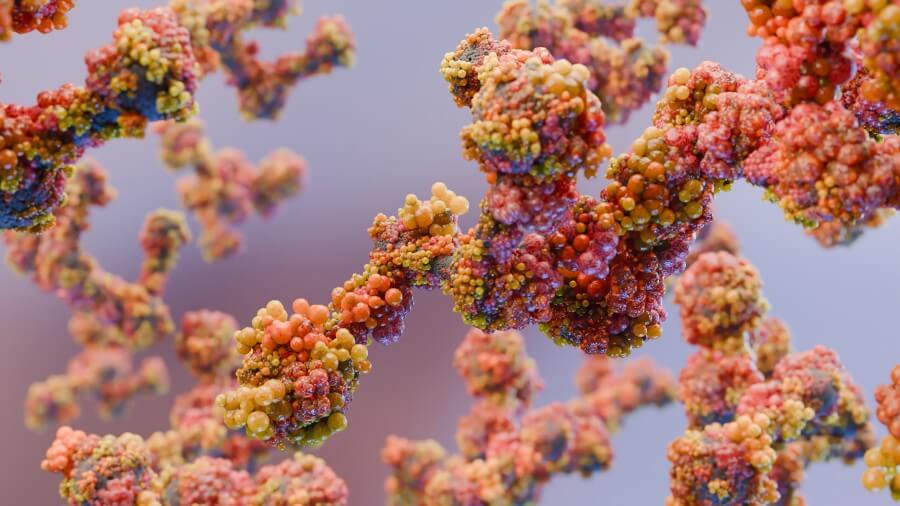
Lectin proteins recognize and bind to specific carbohydrate structures on cell surfaces. Conjugating lectins to polymer-fluorophore nanoparticles creates powerful tools for glycobiology research, studying cell surface glycosylation patterns. Cell surface glycosylation patterns are crucial in disease states such as intercellular recognition, immune responses, and cancer metastasis.
Custom Magnetic Bead-Protein Conjugation Services
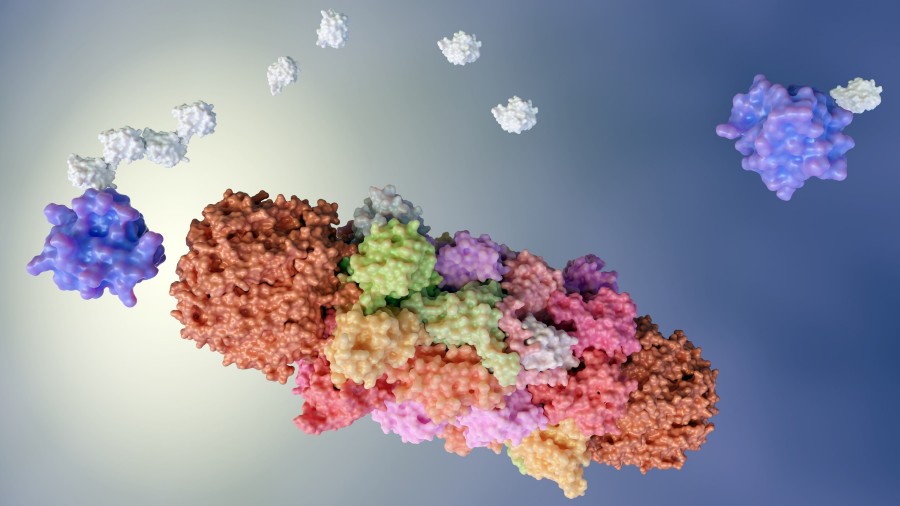
Functionalizing magnetic beads with specific proteins (e.g., enzymes, affinity tags) is essential for high-throughput sample preparation and purification. (7) By conjugating proteins to the surface of magnetic beads with robust linkers, we can achieve efficient separation under an external magnetic field. Polymer fluorophore technology can be applied to this to create internal standards or track protein loading efficiency on the surface of magnetic beads.
Types of Nanoparticles in Conjugation
In bioconjugation, the selection of appropriate nanocarriers is crucial because the materials determine physical properties (e.g., optical and magnetic), surface chemistry, stability, and ultimately, biomedical applications.
| Nanoparticle Type | Core Material & Typical Size | Key Properties for Conjugation | Primary Applications |
|---|---|---|---|
| Gold Nanoparticles (AuNPs) | 5 nm - 150 nm | Excellent affinity for thiols (-SH); easy surface modification via self-assembled monolayers (SAMs). | Diagnostics (Lateral Flow Assays), Biosensors, SERS, Photothermal Therapy. |
| Superparamagnetic Iron Oxide Nanoparticles (SPIONs) | 10 nm - 50 nm | Magnetic core allows for external manipulation; surface typically modified with dextran or silica for conjugation (-COOH, -NH2). | Magnetic Resonance Imaging (MRI) Contrast Agents, Targeted Drug Delivery, Cell Separation. |
| Quantum Dots (QDs) | 2 nm - 10 nm (Semiconductor nanocrystals, e.g., CdSe/ZnS) | Exceptionally bright, stable, and size-tunable fluorescence; often polymer-coated for coupling (-COOH, maleimide). | High-Resolution Cellular Imaging, Deep-Tissue In Vivo Imaging, Multiplexed Diagnostics. |
| Liposomes | 50 nm - 500 nm (Phospholipid bilayer vesicles) | Biocompatible and biodegradable; surface easily functionalized with PEG for 'stealth' properties and ligand attachment. | Drug and Gene Delivery (e.g., siRNA), Vaccine Adjuvants, Extended Circulation. |
| Polymer Nanoparticles | 100 nm - 300 nm (e.g., PLGA, Polystyrene) | Tunable degradation and release kinetics; versatile polymer chemistry allows introduction of various functional groups (-COOH, -NH2). | Sustained/Controlled Drug Release, Oral Delivery Systems, Solid-Phase Diagnostic Assays (Latex Beads). |
| Silica Nanoparticles | 10 nm - 500 nm (SiO2 core) | High chemical and thermal stability; highly porous for drug loading; surface easily silanized to introduce diverse functional handles. | Drug Encapsulation, Bio-sensing, Imaging (can be dye-doped for fluorescence). |
Our State-of-the-Art Platform
Creative Biolabs has established a comprehensive technological infrastructure specifically designed to support the complex needs of nanoparticle-biomolecule conjugations.
Microscopy Equipment
High-resolution transmission electron microscopy (TEM), scanning electron microscopy (SEM), and atomic force microscopy (AFM) for nanoscale resolution morphology characterization.
Functional Assessment
Surface plasmon resonance (Biacore), flow cytometry, and microplate-based immunoassay systems are used for bioactivity evaluation.
Microfluidic Systems
Enable the precise and reproducible synthesis of liposomes and polymer nanoparticles with tight control over their size and polydispersity, which is crucial for translation.
Why Choose Creative Biolabs?
Creative Biolabs is the preferred partner for customized polymer-fluorophore conjugation due to its scientific expertise, technological capabilities, and commitment to customer success.
 Interdisciplinary Expertise
Our team combines experts in nanoparticles chemistry, photophysics, nanoparticles engineering, and biology to tackle complex conjugation challenges.
Proprietary Methods
We have developed proprietary conjugation protocols that enhance efficiency, reproducibility, and performance compared to traditional approaches.
Stringent Quality Standards
We apply rigorous quality control and employ orthogonal analysis methods to ensure key quality properties throughout manufacturing.
Application-Oriented Design
We prioritize understanding your research context and application needs to ensure the effectiveness of the final product.
Project Management
Each project is assigned a dedicated project manager skilled in conjugation chemistry for clear communication and timely updates.
Chemistry-First Approach
Our approach focuses on designing conjugation chemistry around the functional molecule to maintain the fluorophore's properties and the nanoparticles' stability.
Customer Feedback

"Creative Biolabs provided highly stable peptide-functionalized gold nanoparticles (AuNPs) for our novel diagnostic assays. Their detailed dynamic light scattering (DLS) and surface plasmon resonance (SPR) data provided essential evidence for successful targeted conjugation. This construct performed flawlessly in our samples."
- Dr. Emily Rodriguez, Senior Scientist

"We optimized our antibody purification process using their custom magnetic bead-protein G conjugation service. The high binding capacity and low nonspecific binding of their magnetic bead products significantly simplified our immunoprecipitation (IP) process, saving substantial time and reagents."
- Dr. Benjamin Carter, Research Director
Frequently Asked Questions
Q: What is the typical turnaround time for a custom conjugation project?
A: The turnaround time depends on the complexity of the project, but most standard conjugations can be completed within 4-6 weeks. This includes protocol optimization, conjugation reactions, purification, and comprehensive characterization. More complex projects, such as those requiring extensive optimization or specialized characterization, may take longer; specific timeframes will be detailed in your project proposal.
Q: How do you characterize and ensure the quality of conjugated nanoparticles?
A: We employ orthogonal characterization methods, including dynamic light scattering (DLS) for particle size and polydispersity index (PDI), zeta potential analysis, transmission electron microscopy (TEM) for morphological evaluation, and functional analysis for specific conjugated biomolecules. For antibody conjugates, we typically use surface plasmon resonance (SPR) or enzyme-linked immunosorbent assay (ELISA) to assess binding affinity; for peptide conjugates, we may assess cellular uptake or receptor binding. All conjugates come with a complete certificate of analysis containing characterization data.
Q: Can you conjugate multiple different biomolecules onto the same nanoparticle?
A: Yes, we regularly develop co-conjugation strategies to link multiple functional biomolecules to a single nanoparticle cluster. For example, this approach can construct dual-targeting systems or combine targeting ligands with therapeutic payloads. We carefully optimize the stoichiometry and orientation of each component to achieve the desired functional effects.
Q: What is your minimum project size?
A: We undertake a wide range of projects, from small-scale research and evaluation (1-10 mg) to large-scale production (gram-level). Our platform is designed to achieve efficient scaling, ensuring the generation of research and development throughout the entire lifecycle, from preliminary feasibility studies to preclinical studies.
Conclusion
Creative Biolabs stands at the forefront of custom nanoparticle and bead conjugation technology, offering sophisticated solutions that bridge the gap between nanomaterials science and biological application. Our comprehensive service portfolio, state-of-the-art technological platform, and deep scientific expertise enable us to address complex research and development challenges across therapeutic development, diagnostic applications, and fundamental biological research. Please contact us to discuss your demands or to request a proposal.