
Custom Protein-Polysaccharide Conjugation Service
Bioconjugation Introduction
Bioconjugation is a chemical strategy. It is used to connect two molecules, at least one of which is a biomolecule. This connection is a stable covalent link. Biomolecular conjugation methods are used in medicine, diagnostics, biocatalysis, and material science. Synthetically modified biomolecules can achieve a variety of functions. These functions include tracking biological events in cells. They can also reveal the functional mechanism of enzymes. In addition, the distribution of proteins in the organism can be determined. It can also image specific biomarkers. And deliver drugs to target cells. However, we know that bioconjugation is a vast field with many facets. From a variety of chemical principles to a wide range of applications, we design cutting-edge bioconjugation strategies to help the pharmaceutical, diagnostic and research industries keep pace with this rapidly evolving area of research and development.
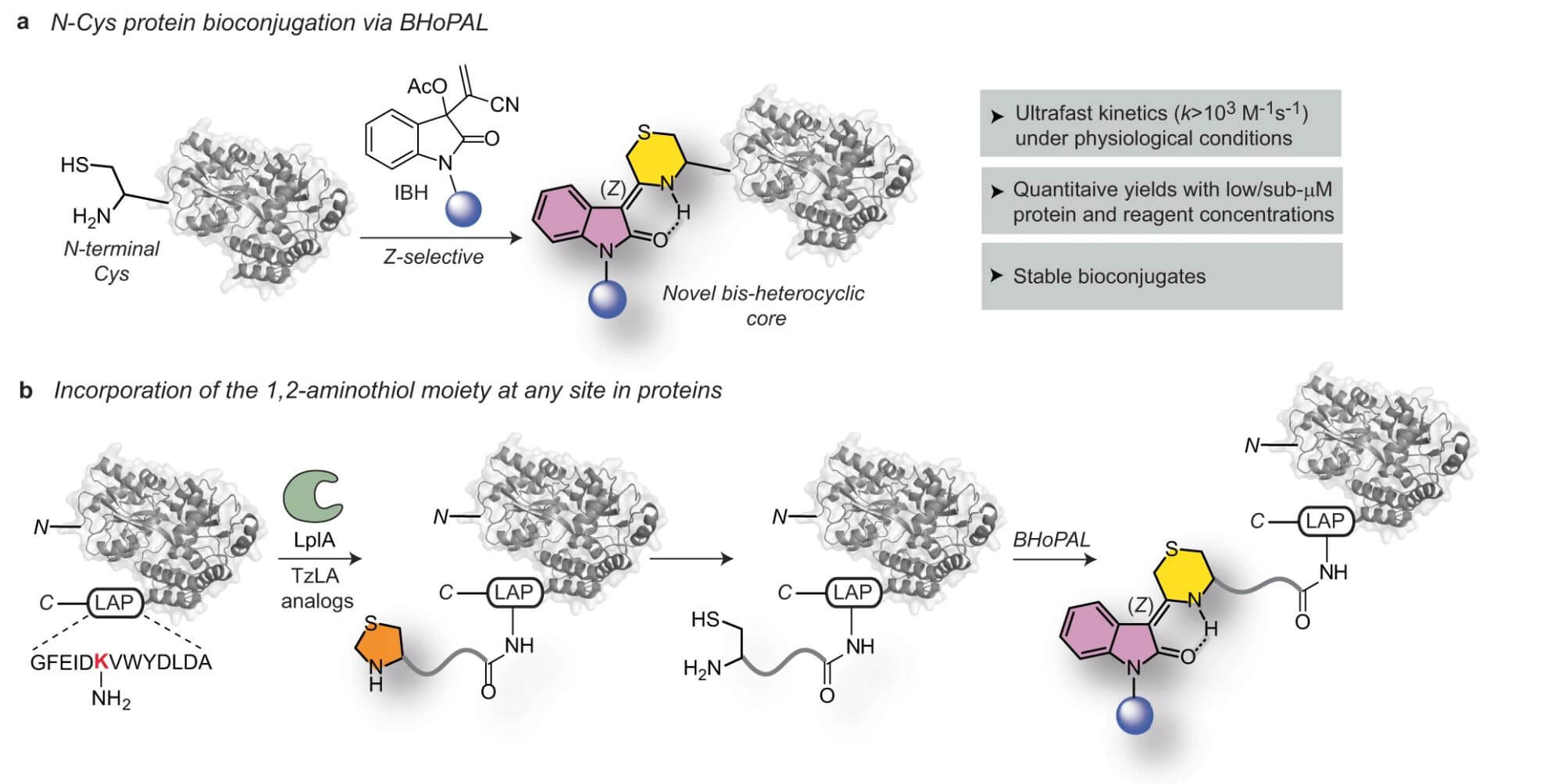 Figure 1 The BHoPAL (Baylis Hillman orchestrated protein aminothiol labelling) strategy for the chemoselective bioconjugation of 1,2-aminothiols in proteins.1,3
What is Protein-Polysaccharide Bioconjugation?
Protein-polysaccharide bioconjugation creates stable covalent bonds between biomolecules. These bioconjugates perform multiple functions. Functions include tracking cellular events, revealing enzyme activity, determining protein biodistribution, imaging biomarkers, and delivering drugs to target cells. Lysine residues are frequent modification sites in protein bioconjugation. N-hydroxysuccinimide (NHS) esters commonly modify amines on lysines. Achieving optimal deprotonated lysines requires aqueous solution pH below the lysine ammonium group pKa (approximately 10.5). NHS-ester is a standard conjugation reagent. It acylates lysines through nucleophilic reaction. Similar reagents include isocyanates and isothiocyanates. These reagents also modify protein lysines under mild conditions. Mild conditions mean low temperature and physiological pH.
Chemical Strategies for Protein-Polysaccharide Bioconjugation
-
Chemical Strategies:
Chemical conjugation employs several key strategies. Periodate oxidation targets vicinal diols in polysaccharides. Sodium periodate oxidizes these diols. This reaction generates reactive aldehyde groups. These aldehydes then react with primary amines on proteins. They form Schiff bases. Subsequent reduction using sodium cyanoborohydride or sodium borohydride produces stable secondary amine linkages. -
Maleimide-Thiol Chemistry:
Maleimide-thiol chemistry offers high stability and selectivity. Maleimide groups are typically attached to proteins. These groups react specifically with free sulfhydryl groups. Sulfhydryl groups occur naturally in protein cysteine residues. Alternatively, they can be added to polysaccharides. The reaction forms stable thioether bonds. -
Enzymatic Ligation:
Enzymatic ligation uses enzymes like transglutaminase and glycosyltransferases. These enzymes create very specific covalent bonds. Enzymatic methods typically preserve protein function. They also produce homogeneous conjugates. -
Reductive Amination:
Reductive amination involves aldehyde groups on polysaccharides. These aldehydes can be naturally present or chemically introduced. The aldehydes react directly with protein primary amines. This forms unstable Schiff bases. Reduction then yields stable secondary amine linkages. -
Isothiocyanate Chemistry:
Isothiocyanate chemistry utilizes isothiocyanate groups. These groups react with protein primary amines. The reaction forms thiourea linkages. This strategy is frequently used for labeling proteins. Polysaccharide-derived fluorescent probes or other tags are attached this way.
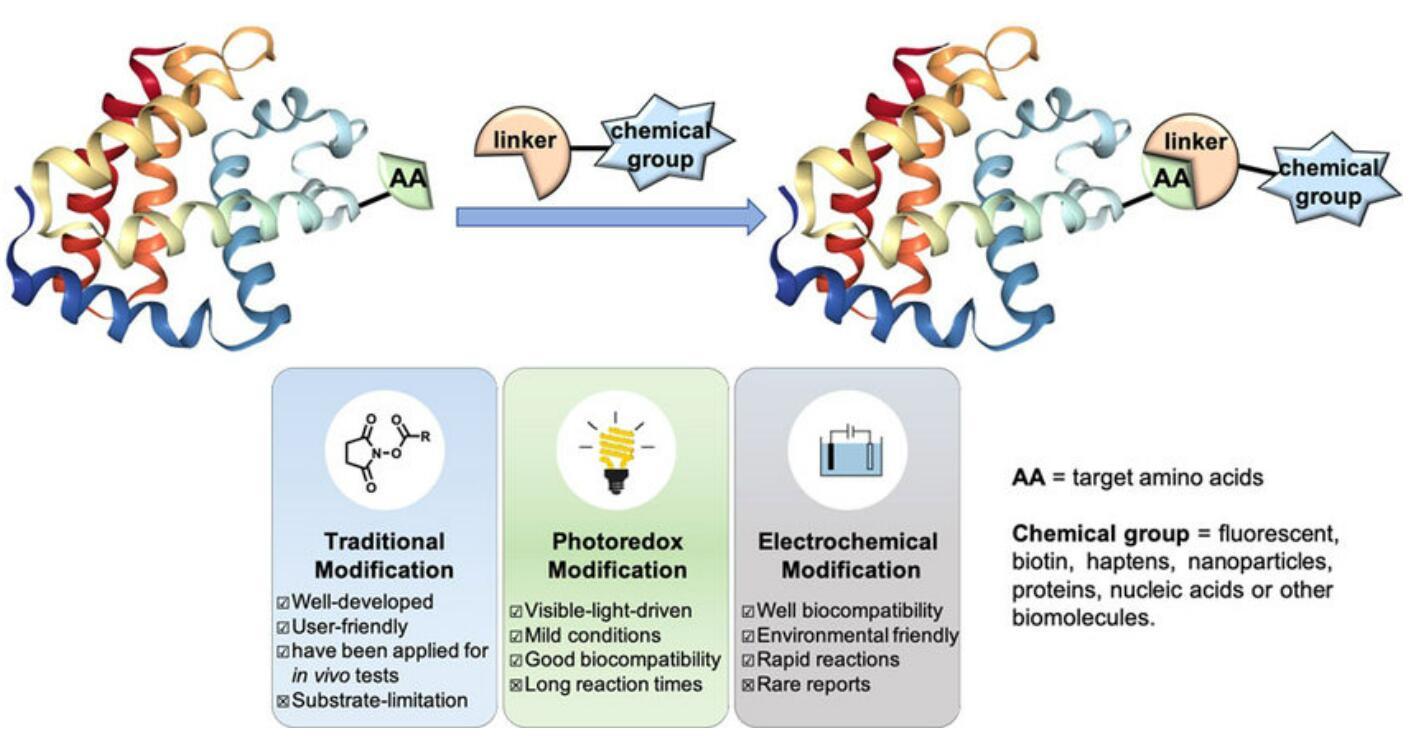 Figure 2 Recent bioconjugation strategies.2,3
Types of Protein-Polysaccharides Bioconjugation
| Type | Description | Common Techniques | Applications |
|---|---|---|---|
| Covalent Conjugation | Permanent linkage via chemical bonds (e.g., amide, disulfide). | Carbodiimide coupling, NHS esters, click chemistry | Drug delivery systems, antibody-drug conjugates |
| Non-Covalent Conjugation | Reversible interactions (e.g., electrostatic, hydrogen bonds). | Ionic complexation, hydrophobic association | Biosensors, smart hydrogels |
| Surface Immobilization | Proteins tethered to polysaccharide-based surfaces (e.g., nanoparticles). | Microcontact printing, layer-by-layer assembly | Enzyme immobilization, cell culture scaffolds |
| Cross-Linking | Polysaccharide matrices cross-linked with proteins for structural integrity. | Glutaraldehyde, PEG-based cross-linkers | Tissue engineering scaffolds, wound dressings |
Polysaccharide-Protein Conjugate Vaccines
Compared with native proteins, polysaccharide-protein complexes may have better solubility and stability, reduced immunogenicity, prolonged circulation time, and enhanced vaccine targeting. They are promising alternatives to polyethylene glycol-protein drugs, where non-biodegradable high molecular weight polyethylene glycol can cause health concerns. The purified polysaccharide vaccine works by activating B cells in a T independent manner, mainly producing IgM and a small amount of memory B cells. Protein polysaccharide conjugate vaccines (such as Prevnar/PCV7, which uses the non-toxic variant CRM197 of seven popular polysaccharide bound diphtheria toxins) allow proteins to present antigens and interact with CD40/CD40L on B cells, while T cells allow antibody classes to switch from IgM to IgG, producing memory cells and longer reactions. Combination vaccines typically use poly ribosyl ribosyl phosphate (PRP) that binds to protein carriers. Combination vaccines for Haemophilus influenzae and Neisseria meningitidis (using outer membrane proteins, OMP) have been developed.
This mechanism results in:
- Enhanced Immunogenicity in Infants: Elicits a robust, protective immune response even in infants.
- Long-lasting Immunity: Induces immunological memory, providing durable protection.
- Antibody Class Switching: Promotes the production of IgG antibodies, which are more effective in neutralization and opsonization compared to IgM.
- Booster Response: Allows for a stronger and faster secondary immune response upon subsequent exposure or booster vaccination.
Protein-Polysaccharide Bioconjugation Services at Creative Biolabs
Creative Biolabs is a leader in the bioconjugation field, with a comprehensive set of capabilities to engineer protein-polysaccharide conjugates. Our strengths include a profound knowledge of polymer chemistry, protein biochemistry and immunology; access to state-of-the-art instrumentation; and staffed by experienced PhD scientists. We offer tailored solutions for your project, with support at every stage from design through characterization.
Our Service Workflow
Our service workflow is designed to ensure efficient, transparent, and successful project outcomes:

Consultation & Conjugation Strategy
Discussion of project and goals. Feasibility and detailed proposal.

Reagent Preparation & Modification
Modification of proteins and polysaccharides to include the desired reactive groups if necessary.

Conjugation Reaction Optimization
Screening and optimization of reaction conditions to achieve desired coupling efficiency and integrity of the final product.

Conjugate Purification
Application of state-of-the-art chromatography and ultrafiltration/dialysis to remove unconjugated components and impurities.

Characterization & Quality Control
Detailed characterization of purified conjugates to ensure successful conjugation. Determination of purity, degree of substitution, and structural and functional integrity of the product.

Quality Assurance & Documentation
Final report and Certificate of Analysis (CoA) provided for your quality assurance, supporting further studies and regulatory submissions.
Partner with Creative Biolabs, and you'll have access to our team of PhD-level scientists with unmatched experience in bioconjugation. We're ready to fast-track your R&D, unleashing the power of protein-polysaccharide bioconjugates for new biomedical breakthroughs. If you are interested in our biojugation services, please feel free to contact us for more details.
References
- Mir M H, Parmar S, Singh C, et al. Location-agnostic site-specific protein bioconjugation via Baylis Hillman adducts. Nature Communications, 2024, 15(1): 859. https://doi.org/10.1038/s41467-024-45124-2
- Weng Y, Song C, Chiang C W, et al. Single electron transfer-based peptide/protein bioconjugations driven by biocompatible energy input. Communications Chemistry, 2020, 3(1): 171. https://doi.org/10.1038/s42004-020-00413-x
- Distributed under Open Access license CC BY 4.0, without modification.