Are you currently facing long drug development cycles, complexity in high-purity protein expression, and challenges in generating clinically relevant pre-clinical data? Our BsIgG Generation Service helps you accelerate drug discovery and obtain high-purity, fully functional bispecific antibodies through innovative protein engineering techniques like the KiH format, which strategically uses amino acid substitutions to enforce accurate heavy chain pairing.
Contact our team to get an inquiry now!
Bispecific antibodies are emerging as essential tools for next-generation therapeutics, enabling dual-target recognition to enhance killing and overcome signaling redundancies. The KiH format is an industry-standard engineering solution that utilizes strategic steric hindrance within the Fc domain to force the heterodimerization of two distinct heavy chains, achieving an IgG-like structure. This approach is supported by Published Data confirming that KiH BsAbs can be produced efficiently to high purity (often >90%) and, critically, that the core KiH mutations do not pose a significant independent immunogenicity risk.
The KIH amino acid substitution is an effective method in therapeutic antibody design for generating bispecific antibodies (BsAbs). Heavy (H) chains of human IgG typically associate at their CH3 domains, while CH2 regions interact via the Asn N84.4 carbohydrate in the DE turn. To fashion complementary surfaces, an AA change creates a knob on the CH3 of the first H chain and a hole on the CH3 of the second H chain. The knob is often a large IMGT volume AA like Tyrosine (Y), and the hole is a small residue such as Threonine (T).
Creative Biolabs' KIH platform provides unmatched reliability by solving the twin challenges of manufacturability and clinical relevance, ensuring a smoother transition from discovery to IND.
Experience the Creative Biolabs Advantage - Get a Quote Today
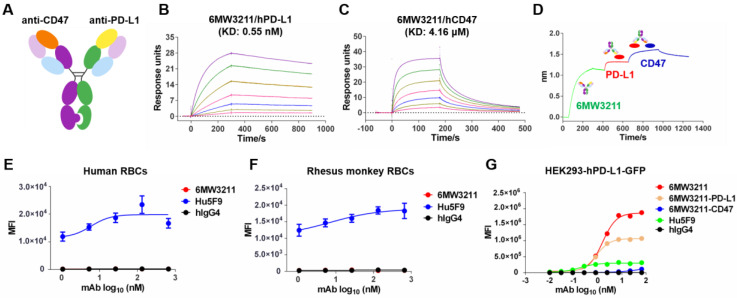 Fig.1 Generation and characterization of 6MW3211.1
A recent study demonstrated the successful use of the KiH strategy to generate 6MW3211, a bispecific antibody designed to block both the CD47 ('don't eat me') and PD-L1 immune checkpoints. The 6MW3211 was engineered with differential affinity (high for PD-L1, low for CD47) to ensure preferential tumor targeting before disrupting the CD47/SIRPα signal. The molecule was generated as a full-length IgG4 using KiH to enforce heterodimerization between the two different heavy chains, achieving a bispecific product purity of 92% post-expression in HEK-293S cells, confirmed by mass spectrometry (MS) and size exclusion chromatography (SEC). Functionally, the construct successfully promoted macrophage-mediated phagocytosis of tumor cells in in vitro assays, an effect notably enhanced by the overexpression of PD-L1. Critically, flow cytometry confirmed the antibody exhibited no binding to human or rhesus monkey red blood cells (RBCs), successfully mitigating the on-target hematological toxicity risk associated with CD47 blockade. Furthermore, 6MW3211 exhibited potent therapeutic efficacy across three distinct in vivo mouse models, validating the KiH format for developing complex and effective dual-targeting agents.
A: KIH BsIgG molecules retain the native IgG structure (approx. 150 kDa), which benefits from the body's FcRn-mediated recycling pathway. This results in a long serum half-life, typically requiring less frequent, simplified dosing compared to smaller formats, which often require continuous intravenous administration due to rapid renal clearance.
A: Yes. While KiH primarily solves heavy chain pairing, we use advanced secondary strategies to resolve light chain mispairing. This includes utilizing a common light chain, or incorporating a scFv or single-domain binder as the targeting entity on one arm, which eliminates the need for the second Fab's light chain entirely.
A: Our fully murine KiH BsIgG is syngeneic (non-immunogenic) in mouse models, ensuring that the molecule's in-vivo stability and pharmacokinetic (PK) profile are biologically relevant. Furthermore, we specifically engineer the Fc domain to abrogate FcγR binding, allowing you to accurately measure your therapeutic's specific T-cell redirection efficacy without non-specific immune cell interference.
A: Purity is a function of our post-expression purification and QC steps, not solely the expression yield. We employ multi-step affinity, ion exchange, and SEC chromatography optimized for the KiH interface, enabling us to consistently deliver >90% pure heterodimer, even from complex expression mixes.
A: The KIH BsIgG format is highly versatile and suitable for both. Its flexible IgG structure and dual Fab arms make it ideal for T-cell engagers (recruiting CD3 to a tumor target) and for blocking multiple parallel signaling pathways (e.g., inhibiting IL-17 and TNF-α simultaneously) to overcome disease redundancy.
Our service features mammalian cell culture systems for BsAb manufacturing, allowing us to deliver glycosylated, active, and properly folded heterodimeric constructs following expression in the host. Leveraging our proven KIH technology platform, the expert researchers at Creative Biolabs are committed to supporting your development of therapeutic BsAbs. Additionally, we furnish various auxiliary solutions pertaining to BsAb engineering. Reach out today for further details and a quotation.
Reference
Welcome! For price inquiries, we will get back to you as soon as possible.
INQUIRY





SERVICES
PRODUCTS
PLATFORMS