With the emergence of RNA sequencing (RNA-seq) technologies, RNA-based biomolecules hold expanded promise for their diagnostic, prognostic, and therapeutic applicability in various diseases, including cancers, hereditary diseases and infectious diseases. With years of experience in RNA sequencing, Creative Biolabs has developed and introduced a series of methods and technologies for RNA sequencing to advance the development of in vitro diagnostics (IVD). We are dedicated to offering a comprehensive range of customized RNA sequencing services. Our experts will comprehensively evaluate your project and propose the best solution for you.
Introduction of RNA-Seq
RNA-seq is a technology-based sequencing technique that uses next-generation sequencing (NGS) to reveal the presence and quantity of RNA in a biological sample at a given moment, analyzing the continuously changing cellular transcriptome. By providing direct insight into the transcriptional alterations caused by variants of unknown significance (VUS), RNA-seq can help to shed light on the possible pathogenicity of VUS and thus improves diagnostic rates. In recent years, RNA-seq has allowed a rapid increase in diagnostic capacity and precision through different bioinformatics processing algorithms, tools, and pipelines.
RNA-seq for Pathogen Diagnostics
In a public health context, RNA-seq was used to track the origin and transmission patterns of the Ebola virus during the 2014 outbreak in west Africa. RNA-based amplicon sequencing is also being explored for viral quasi-species (that is, mixed allele population) assessment for hepatitis C virus (HCV) and human immunodeficiency virus (HIV).
RNA-seq for Cancer Diagnostics
Epithelial ovarian cancer (EOC) is the most common ovarian tumor, representing 85-90% of ovarian cancers. According to histological and morphological differences, EOC is classified into five major categories: high-grade serous, low-grade serous, mucinous, endometrioid, and clear cell. High-grade serous ovarian cancer (HGSOC) is the most frequently observed and lethal histotype, causing nearly 75% of all EOC related mortalities. Because there have been relatively fewer cases of low-grade serous ovarian cancer (LGSOC) available for study, its origin is less clear than HGSOC. However, molecular evidence from RNA-Seq has suggested that the majority of LGSOC originate from the fallopian tube.
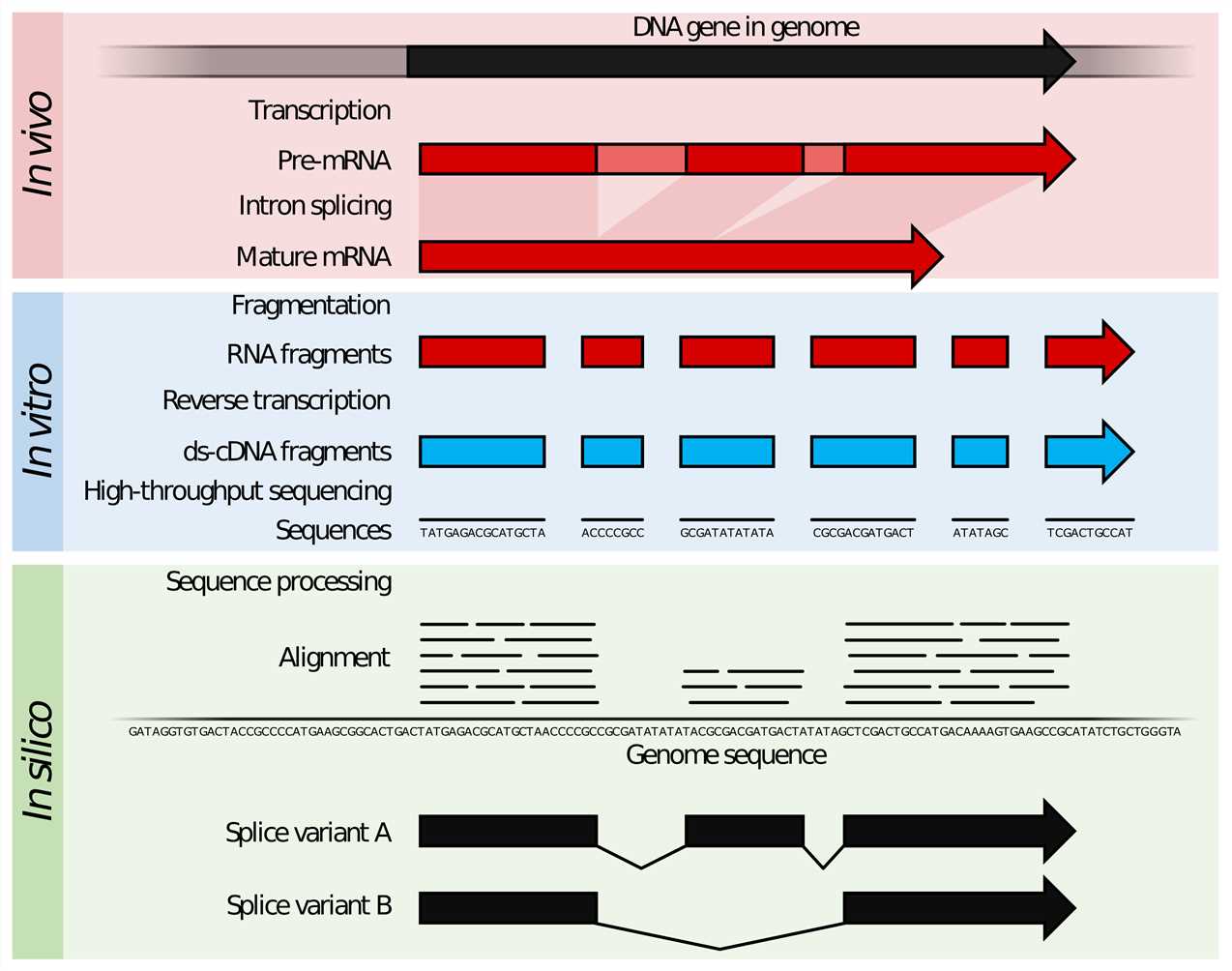 Fig.1 RNA-Seq technology. Distributed under CC BY 4.0, from Wiki, without modification.
Our Services
Creative Biolabs has developed and introduced a series of RNA-seq technologies to provide comprehensive RNA-seq services, including but not limited to:
- Microbial exogenous small RNA
A tremendous diversity of exogenous RNAs from non-human sources has been seen in human plasma, indicating a relationship between the host and the microbiome, food sources, and/or the environment. Creative Biolabs provides an extensive analysis (in vitro, ex vivo, and in vivo) of small RNAs produced by pathogens. We provide a comprehensive reference database of exogenous RNA signals that may be useful for future clinical infection studies.
- Pathogen mRNA
Microbial mRNA may be a useful marker of infection, as the expression may improve the detection in cases of low-level infections (for example, bacteremia and cerebrospinal fluid infections). It could act as a better predictor of disease compared to direct genomic detection. Creative Biolabs provides RNA-based research services to detect pathogens’ mRNA to increase the diagnosis of microorganisms.
- Host RNA
Host microRNA-gene interactions during the infection response are also proving to be a fruitful source of potential diagnostic biomarkers for specific infections. Creative Biolabs provides RNA sequencing services to find markers that can discriminate latent infection and active disease.
Based on our advanced technology and abundant experience, Creative Biolabs offers complete solutions for RNA-seq projects including experimental design, RNA-seq library preparation, and high throughput sequencing. We seriously deliver every step of scientific research achievement and give you patient guidance. If you are interested in our RNA-seq, you can contact us.
Published Data
1. RNA-Seq: A Breakthrough in Gene Fusion Detection for Childhood Cancer Diagnostics
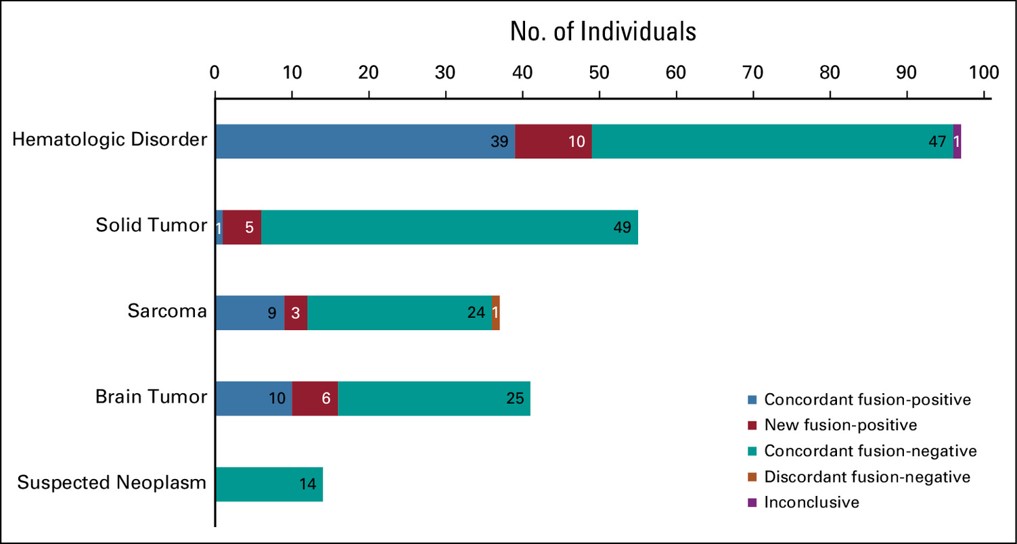 Fig.2 Diagnostic yield of gene fusion detection using RNA-Seq.1
This study explored whether RNA-seq can overcome the limitations of existing diagnostic methods in detecting gene fusion events. Researchers conducted RNA-seq on a validation cohort of 24 samples with confirmed gene fusion events, and subsequently tested a prospective pan-pediatric cancer cohort (n = 244) using RNA-seq alongside standard diagnostic techniques. The cohort included samples from hematologic malignancies, CNS tumors, solid tumors, and suspected neoplasms. All samples underwent the standard diagnostic workflow and were analyzed for gene fusions using both traditional techniques and RNA-seq. In the prospective cohort, 83 of 244 cases had clinically relevant gene fusions identified. Sixty fusions were detected by both RNA-seq and routine diagnostics, one fusion was detected only by routine methods, and 24 fusions were exclusive to RNA-seq. RNA-seq increased the diagnostic yield by 38%-39% and identified both gene partners involved in the fusion. For two patients, RNA-seq-guided treatment with targeted agents was initiated, demonstrating its potential in improving treatment decisions.
References
- Hehir-Kwa, Jayne Y., et al. "Improved gene fusion detection in childhood cancer diagnostics using RNA sequencing." JCO precision oncology 6 (2022): e2000504. Distributed under Open Access license CC BY 4.0, without modification.
For Research Use Only.