
Skin tone regulation and pigmentation balance are central topics in cosmetic and skin biology research. Brightening and whitening studies aim to understand how bioactive materials influence melanogenesis pathways, pigment synthesis, and pigment transfer under controlled laboratory conditions.
Creative Biolabs offers an exosome brightening and whitening efficacy testing service designed exclusively for basic research use. The service applies established melanocyte based and co culture skin models to evaluate how exosomes modulate pigmentation related biological responses. Outcomes focus on cellular behavior and molecular signals rather than therapeutic or clinical performance.
| Steps | Details |
|---|---|
| Step 1 Study Objective Review | Creative Biolabs begins by reviewing the research objective, exosome source, and intended comparison groups. Based on this information, suitable pigmentation related models and endpoints are proposed. |
| Step 2 Model Selection and Preparation | Melanocyte cultures or keratinocyte melanocyte co culture systems are prepared under standardized conditions. Baseline pigmentation activity is established prior to sample exposure. |
| Step 3 Exosome Treatment Design | Exosomes are applied at defined concentrations and exposure schedules. Treatment parameters are selected to support comparative evaluation across samples. |
| Step 4 Pigmentation Induction and Modulation | Where appropriate, pigmentation stimulation conditions are introduced to assess regulatory effects of exosomes on melanin related pathways. |
| Step 5 Endpoint Measurement | Key pigmentation indicators such as melanin content, tyrosinase activity, and related molecular markers are quantified. Cell viability and morphology are monitored in parallel. |
| Step 6 Data Interpretation and Reporting | Results are summarized with emphasis on relative efficacy trends and biological relevance for skincare research. |
Workflow adjustments can be discussed directly with Creative Biolabs technical specialists.
Creative Biolabs employs melanocyte centered systems that reflect pigment synthesis and regulation mechanisms relevant to skin research.
Functional pigmentation measurements are combined with molecular indicators to support interpretation of underlying mechanisms.
The assay design enables parallel comparison of different exosome batches, concentrations, or formulation conditions.
Findings are structured to support hypothesis testing and screening decisions rather than product claims.
For feature alignment with ongoing studies, Creative Biolabs technical support is available for discussion.
 Understanding Melanogenesis Regulation
Brightening and whitening assays help clarify how exosomes influence pigment synthesis pathways at the cellular level.
Screening of Exosome Sources
Comparative data support selection of exosome sources or preparation methods for further skincare research.
Formulation Strategy Guidance
Results provide insight into how delivery context may affect pigmentation related responses.
Foundation for Mechanism Studies
Observed effects can guide deeper investigation into signaling pathways associated with pigment balance.
Application focused conversations are welcomed by the Creative Biolabs scientific team.
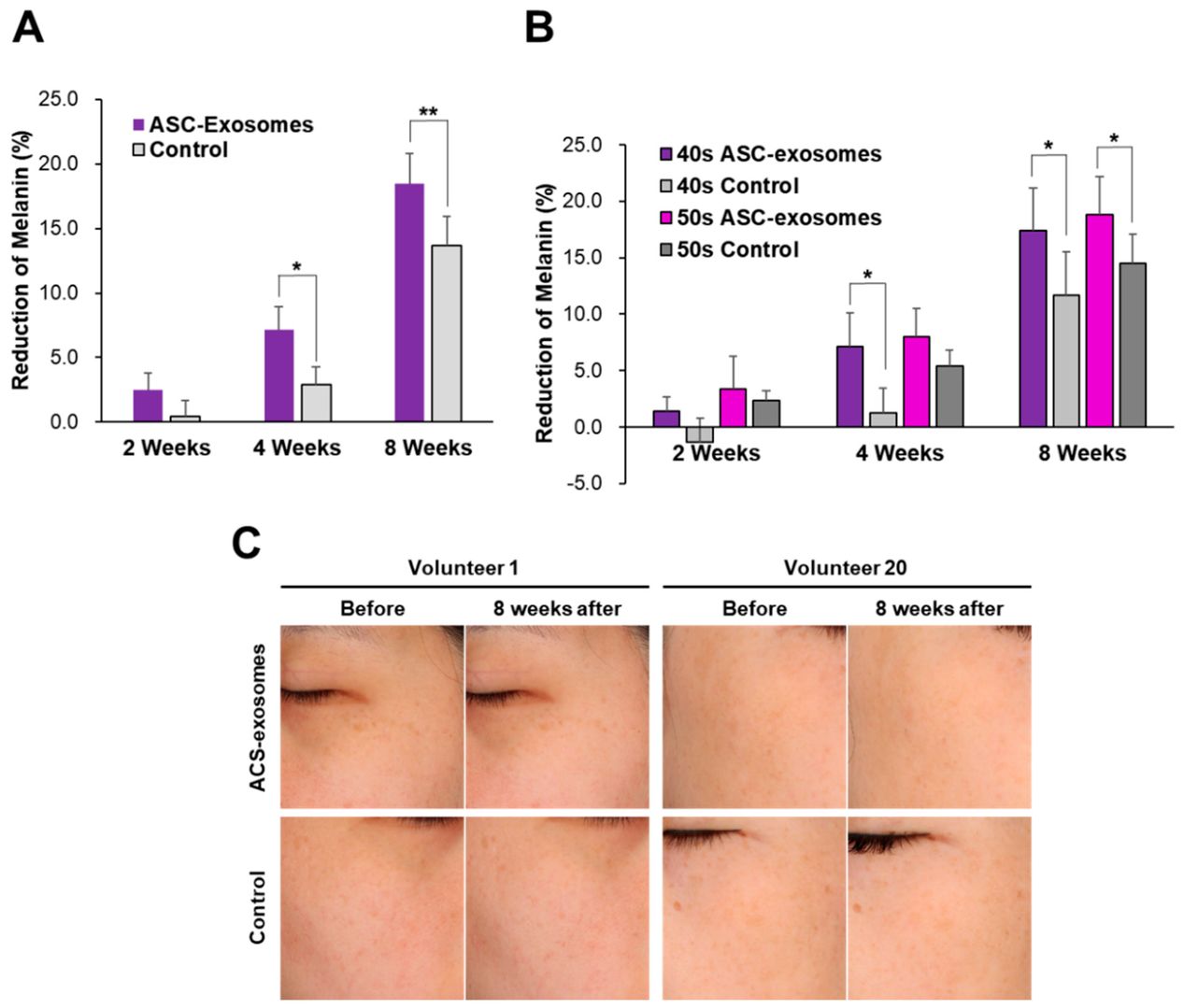 Fig.1 Evaluation of the Skin Lightening Efficacy of ASC-Exosomes.1
"Creative Biolabs delivered clear pigmentation related data that helped us narrow down candidate exosome samples."
"The melanocyte based model was well controlled and suitable for our comparative research needs."
"Communication with Creative Biolabs was efficient and focused on scientific relevance rather than marketing language."
Creative Biolabs values continued collaboration and feedback from research partners.
Reliable pigmentation research depends on controlled models and meaningful biological readouts. Creative Biolabs supports skincare exosome research by providing structured brightening evaluations grounded in cellular science. For project discussions or technical guidance, contacting Creative Biolabs is always encouraged.
A: No. The exosome efficacy testing service is intended solely for basic research and in vitro evaluation. It does not support clinical or therapeutic claims.
A: Creative Biolabs primarily uses melanocyte cultures and keratinocyte melanocyte co culture systems. Model selection depends on the specific research question.
A: Common endpoints include melanin content, tyrosinase activity, and expression of pigmentation related markers, alongside cell health indicators.
A: Yes. Concentration ranges, exposure duration, and stimulation conditions can be adjusted to support comparative studies.
A: Data reflect relative biological responses under defined conditions. They are intended to guide research direction rather than predict in use performance.
Reference