
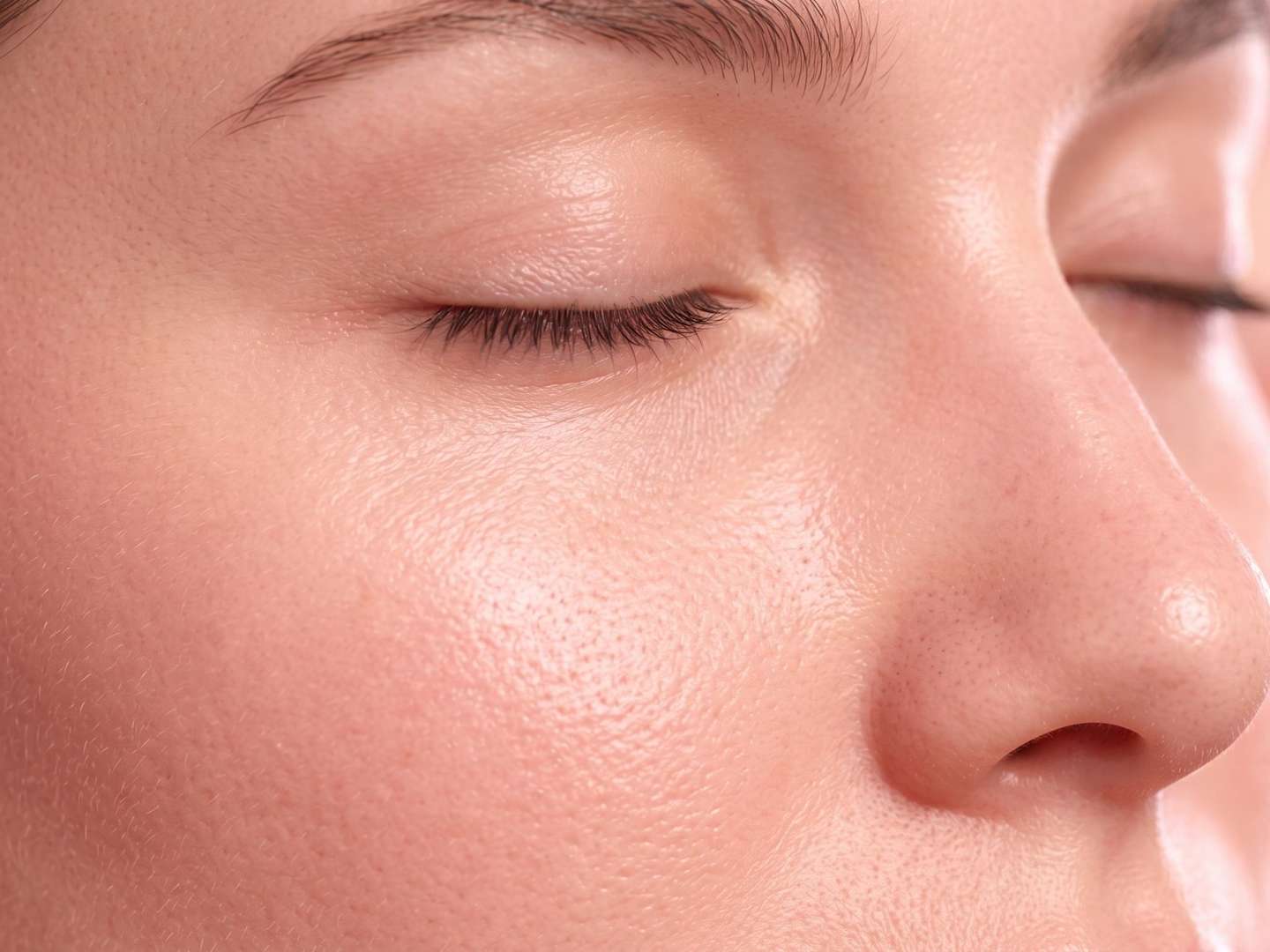
The biological maintenance of the skin surface is a precise equilibrium between keratinocyte differentiation and the shedding of mature corneocytes. This desquamation process is essential for preventing the accumulation of nonviable cellular debris, which often leads to tactile roughness and secondary inflammatory responses. Conventional exfoliation techniques frequently rely on chemical disruption of the skin barrier, which can precipitate unintended structural damage.
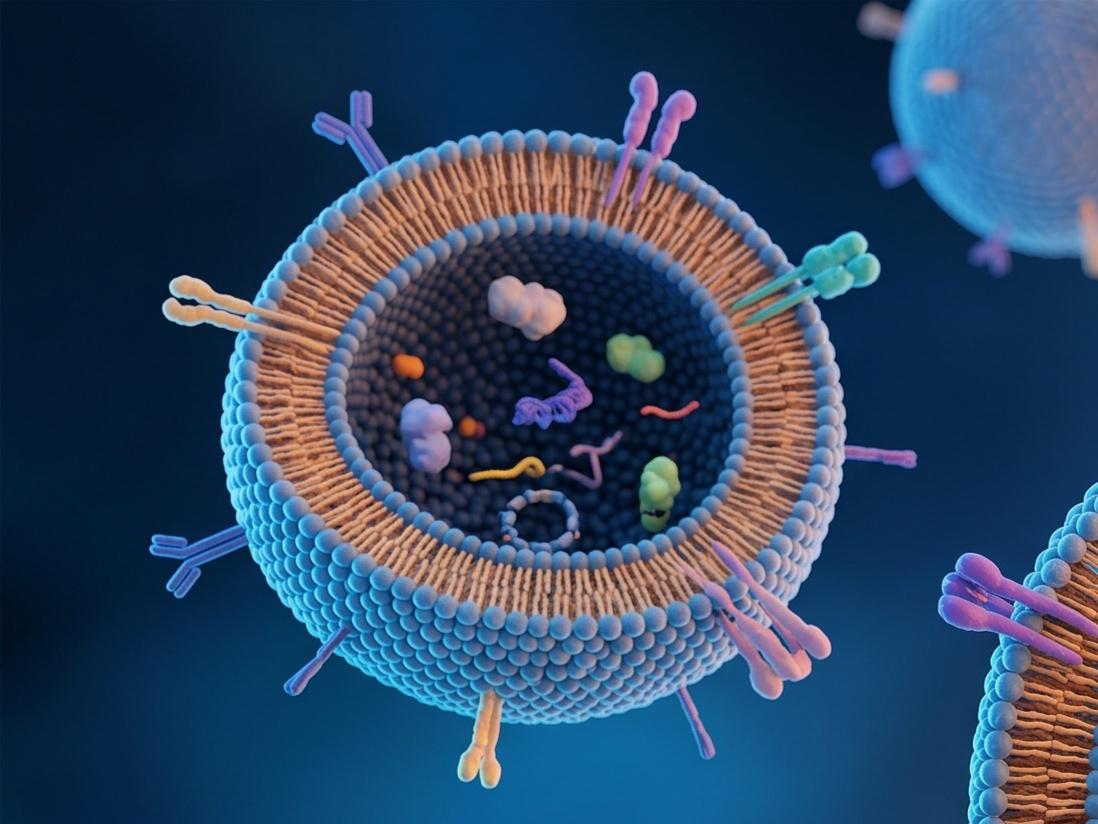
In contrast, exosomes offer a sophisticated biological alternative. These mediators can orchestrate the metabolic activity of the stratum corneum by delivering specific proteolytic regulators. Validating the exfoliating potential of these vesicles is fundamental to developing treatments that restore the natural desquamatory rhythm without the sequelae typically associated with synthetic peeling agents.
Connect With Our Specialists to Decrypt Your Exosome Functional Profile
Creative Biolabs provides an advanced suite of methodologies to dissect how exosome preparations influence the desquamation cascade. Our approach focuses on the precise molecular events that trigger cell detachment and the subsequent reorganization of the epidermal architecture.
We quantify the enzymatic activity of Kallikrein 7, a pivotal mediator in the cleavage of intercellular junctions. This assay determines whether the exosome sample can stimulate the endogenous machinery required for biological resurfacing.
Our scientists monitor the proteolytic breakdown of adhesive proteins like desmogleins. By assessing the dissolution of these molecular tethers, we provide definitive evidence of the capacity of the vesicles to facilitate cell separation.
We evaluate the expression of desquamation modulators and the cathepsin family. This ensures that the exosome intervention maintains a homeostatic balance, preventing excessive barrier attrition.
Utilizing reconstructed human epidermis (RHE) models, we analyze the tissular impact of exosome treatment. This allows for the observation of physical changes in the thickness and organization of the cornified layer in a physiologically relevant environment.
Through high resolution imaging, we quantify the release of exfoliated cells and evaluate their structural degradation, providing a direct readout of exfoliating efficiency.
Initiate a Technical Dialogue to Align Evaluation with Your Research Goals
Establishing documented exfoliating efficacy through pathways based on exosome offers transformative advantages for product innovators:
Exosomes permit the activation of natural shedding pathways, offering a refined alternative to the nonspecific irritation often induced by alpha hydroxy acids.
Being inherently biocompatible, these vesicles align with the escalating demand for noninvasive, biological ingredients that minimize the risk of erythema or barrier compromise.
Detailed insights into the exfoliating profile enable the creation of multifunctional products where desquamation is balanced with barrier reinforcement and antiphlogistic effects.
A dossier on enzymatic modulation and tissular safety accelerate the transition from research to application.
Reach Out to Our Lead Scientists to Secure Your Development Roadmap
The application of exosomes for skin resurfacing is supported by established principles of keratinocyte biology and enzymology. While direct exosome exfoliating research is a specialized frontier, the framework is informed by studies on secreted keratinases and serine proteases. For instance, investigations into the keratinolytic enzymes of Chryseobacterium camelliae Dolsongi emphasize that specific secreted proteins can efficiently degrade skin keratin and facilitate the shedding of the outermost stratum corneum. These findings indicate that an approach driven by enzyme, which exosomes are uniquely equipped to facilitate, is less abrasive than chemical methods and preserves the underlying epidermal integrity.
The regulation of serine proteases liking trypsin, such as Kallikrein 5, has been identified as a critical factor in pore refinement and the normalization of skin turnover. Studies on cell extracts derived from plant demonstrate that modulating these specific proteolytic pathways can successfully rebalance altered skin conditions and reduce pore enlargement. By applying these insights, our platform evaluates the ability of exosome samples to act as functional carriers for these pathways. We analyze the potential of the vesicles to reprogram the secretome of recipient cells, thereby enhancing the natural exfoliating capacity of the integumentary system.
Partner With Our Research Team to Navigate Your Analytical Requirements

Creative Biolabs operates a specialized platform dedicated to the entire lifecycle of exosome development, ensuring that every preparation is optimized for cosmetic application:
We utilize tangential flow filtration (TFF) and size exclusion chromatography to isolate intact, bioactive vesicles, ensuring the preservation of enzymatic cargoes.
Each sample undergoes rigorous characterization via nanoparticle tracking analysis (NTA) and transmission electron microscopy (TEM) to confirm size, concentration, and structural integrity.
Our platform supports the enrichment of exosomes with specific keratinolytic factors or the modification of surface ligands to enhance affinity for the upper epidermal layers.
All exfoliating assays are performed under strict laboratory protocols to ensure that data is reproducible and meets the standards of high impact scientific publications.
We provide technical expertise to scale up the manufacturing of characterized exosome batches for integration into final dermatological formulations.
Coordinate With Our Bioengineering Group to Finalize Your Testing Matrix
A: Our testing focuses on specific biomarkers such as Kallikrein 7 activity and desmoglein degradation. This ensures that the observed effect is a result of targeted biological signaling rather than nonspecific chemical or mechanical erosion.
A: Yes. Given that pore enlargement is often a consequence of hyperseborrhea and impaired desquamation, we can integrate 5α reductase inhibition assays and pore diameter measurements into a unified efficacy study.
A: We recommend that clients provide a series of samples with different concentration gradients so that we can evaluate the dose-response relationship between the exfoliating effect and the amount used. This will help determine the optimal dosage or formulation concentration for your product.
A: Using skin models, we can assess skin surface smoothness through specific analytical methods. If the exosomes promote the uniform shedding of aged keratinocytes, the physical parameters of the model surface will show measurable improvement, which directly correlates with the skin smoothing benefits valued by end users.
A: The required sample volume will depend on the specific experimental items you choose, and we will estimate the amount accordingly. If your samples are extremely limited, our scientists can also optimize the experimental workflow to obtain the efficacy data while minimizing sample consumption.
Schedule a Technical Briefing to Discuss Your Exosome Sample Analysis