

The overproduction of sebum, characterized by the excessive accumulation of neutral lipids and free fatty acids within the glandular infundibulum, creates a microenvironment conducive to microbiota imbalance and follicular hyperkeratinization. Recent shifts in molecular dermatology have highlighted the potential of exosomes, as sophisticated regulators of skin homeostasis. These nanosized conduits facilitate intercellular communication by transporting bioactive cargo that can modulate the signaling pathways governing lipid synthesis.
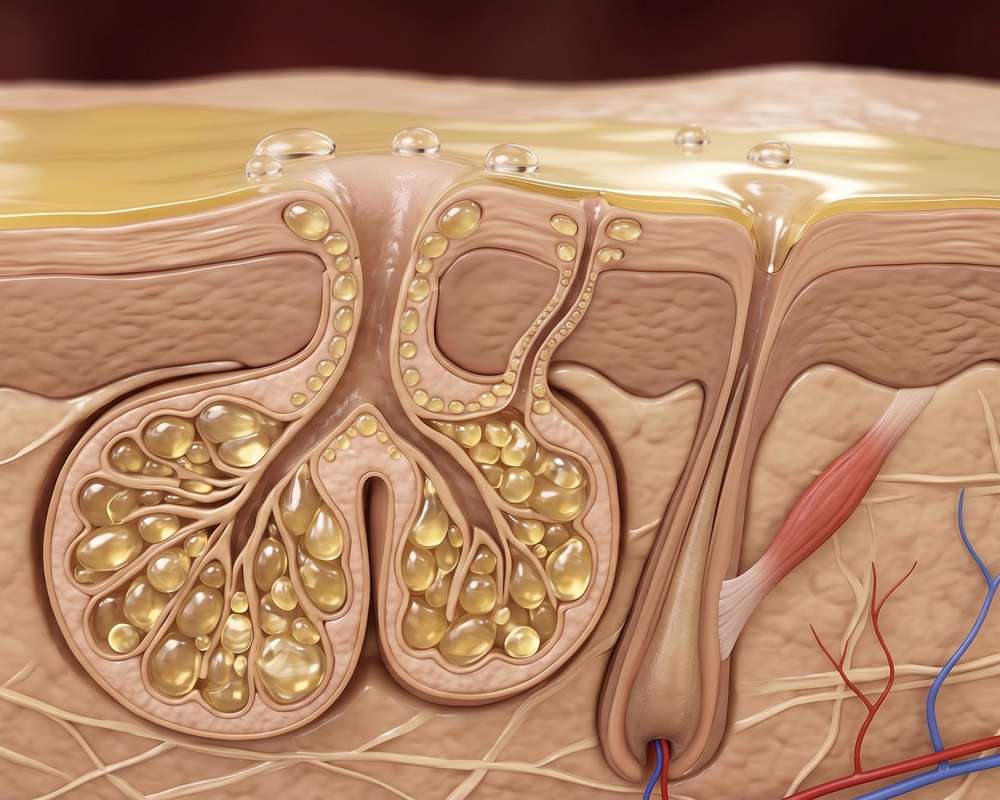
Characterizing the oil control efficacy of exosome preparations is essential for translating these biological entities into effective products or therapeutic interventions. Uncontrolled sebum secretion is not merely a cosmetic concern but a biological precursor to inflammatory cascades. Testing whether a specific exosome population can suppress glandular hyperactivity or shift the lipidomic profile toward a healthy state is the first step in validating its functional utility. By quantifying these effects, researchers can determine the potency of their vesicles in restoring the equilibrium of the sebaceous unit.
Consult With Our Ph.D. Team to Design Your Oil Control Study
Creative Biolabs offers an advanced suite of analytical assays designed to evaluate the oil control properties of exosome samples. Our testing framework utilizes highly relevant biological models, including human sebocyte cultures. We provide a rigorous quantitative assessment of how exosome treatment influences the entire lifecycle of a lipid droplet, from synthesis to autophagic degradation.
Our technical team implements three primary pillars of testing to ensure a thorough evaluation.

We measure the inhibition of 5α reductase, the key enzyme responsible for converting testosterone into the more potent dihydrotestosterone (DHT). Since cutaneous androgenesis is a master regulator of sebum production, quantifying the impact of exosomes on this enzymatic activity provides a direct link to anti-androgenic efficacy.
Using immortalized human sebocyte lines such as SZ95, we evaluate the cellular response to exosome administration. This includes the visualization of intracellular lipid droplets using high sensitivity staining. We analyze the expression of lipid droplet associated proteins, specifically Perilipin 2 (PLIN2), which is essential for lipid accumulation and gland size regulation. Additionally, we investigate the recruitment of LC3b, a hallmark of autophagic pathways, to determine if the exosomes promote the clearance of stored lipids through lipophagy.
Our service extends to the transcriptomic level, where we monitor the regulation of lipogenic genes such as fatty acid synthase (FAS), providing a mechanistic view of how the exosome cargo alters the cellular metabolic program.
Partner With Our Specialists to Validate Your Exosome
The integration of exosomes into oil control formulations offers distinct benefits for the possible end user.
The lipid bilayer structure of exosomes allows them to penetrate the sebum rich environment of the hair follicle. This ensures that the bioactive regulatory molecules reach the secretory cells of the sebaceous gland.
Instead of broad spectrum inhibition, exosomes may deliver specific miRNAs or proteins that fine tune the cellular response. This targeted modulation reduces the risk of side effects and maintains the natural physiological functions of the skin.
Exosomes often carry a suite of anti inflammatory and pro regenerative signals. This means the treatment does not just reduce oil but also simultaneously calms the associated follicular inflammation and supports the repair of the dermal matrix.
Encapsulation within vesicles protects sensitive regulatory molecules from enzymatic degradation on the skin surface, ensuring a sustained release and longer lasting effect compared to naked peptides or RNAs.
Discuss Your Project Objectives with Our Experts to Optimize Testing Protocols
Current literature provides a robust theoretical foundation for utilizing our testing services to validate exosomal efficacy. Studies have established that sebocyte differentiation and lipid storage are tightly controlled by specific protein families and nuclear receptors. For instance, PLIN2 has been identified as a major perilipin that regulates sebaceous lipid accumulation. Research demonstrating that the downregulation of PLIN2 impairs lipid buildup suggests that exosome samples capable of targeting this protein would be highly effective oil-control agents.
The role of androgens and enzymes like 5α reductase in acne pathogenesis is well documented. Formulations that reduce DHT levels have shown success in preventing the development of acne lesions. Our service leverages these established pathways by testing whether exosomes can interfere with cutaneous androgenesis. Additionally, since factors like hypoxia and the activation of Liver X Receptors (LXRα) are known to enhance lipid synthesis and inflammation in sebocytes, our testing platform is designed to determine if exosome treatments can counteract these specific triggers.
By aligning our efficacy assays with these proven biological benchmarks, we provide our clients with data that is grounded in contemporary dermatological science.
Request a Scientific Session to Align Your Research
Creative Biolabs operates a versatile Exosome Engineering Platform that bridges the gap between basic vesicle isolation and advanced functional validation. We offer a workflow that ensures every exosome preparation is characterized to the highest standards before efficacy testing commences.

We utilize precision exosome isolation techniques such as ultracentrifugation, tangential flow filtration (TFF) or size exclusion chromatography (SEC) to obtain high purity vesicle populations free from contaminating proteins and lipid aggregates.
Every sample undergoes rigorous validation via nanoparticle tracking analysis (NTA) for size distribution, transmission electron microscopy (TEM) for morphology, and western blotting for hallmark markers like CD81 and TSG101.
Beyond oil control, our platform supports a wide array of skin efficacy tests, such as antiaging and melanogenesis modulation. This allows clients to profile the multi functional potential of their exosome samples within an integrated project.
Schedule a Technical Consultation to Refine Your Exosome Products
A: This enzyme is responsible for the local production of DHT within the skin. High DHT levels stimulate sebocytes to proliferate and produce excessive lipids. By demonstrating that an exosome sample inhibits this enzyme, we confirm its potential to address the hormonal root of seborrhea.
A: Every efficacy test can be preceded by a cell viability assay (such as MTT or CCK8). We only evaluate the oil control effects at noncytotoxic concentrations to ensure that the results reflect a true biological modulation rather than cellular stress or death.
A: Yes. By monitoring the colocalization of lipid droplets with LC3b, we can determine if the exosome treatment activates the autophagic pathway. This suggests a mechanism where the vesicles help the cell metabolize and clear stored fat, rather than just preventing new synthesis.
A: PLIN2 is the primary protein coating lipid droplets in sebocytes. Its presence is a direct indicator of the cells' capacity to store lipids. A significant decrease in PLIN2 expression following exosome treatment is a strong molecular indicator of reduced sebocyte differentiation and lipid storage capacity.
A: The required volume depends on the concentration of your sample and the number of assays selected. Generally, we recommend providing a sample with a known protein or particle concentration to allow for accurate dose response studies. Our technical consultants can provide specific requirements during the initial project session.
Request A Scientific Consultation to Design Your Exosome Efficacy Study