
Maintaining skin hydration is central to barrier integrity, elasticity, and overall skin resilience. Exosomes have emerged as a promising research tool for understanding how intercellular signaling influences moisture retention and epidermal homeostasis. Creative Biolabs offers an Exosome Moisturizing Efficacy Testing Service designed for basic research and formulation screening, supporting early stage studies on how exosome based materials interact with skin relevant cell systems. This service focuses on mechanistic and functional evaluation rather than clinical or therapeutic outcomes. Using well characterized in vitro skin models, Creative Biolabs helps researchers assess hydration related biomarkers, cellular responses, and moisture associated pathways under controlled experimental conditions.
| Steps | Details |
|---|---|
| Step 1. Research Objective Alignment | Each project begins with a discussion of the moisturizing mechanisms of interest. Creative Biolabs works with researchers to clarify target pathways such as barrier protein expression, water transport regulation, or extracellular matrix support, ensuring the assay strategy fits the scientific question. |
| Step 2. Model Selection and Assay Design | Depending on the research goal, Creative Biolabs selects relevant in vitro models including human keratinocytes, reconstructed epidermal models, or co culture systems. Assays are customized to evaluate hydration related responses such as filaggrin expression, aquaporin regulation, and lipid synthesis activity. |
| Step 3. Exosome Sample Preparation and Dosing Strategy | Exosome samples are prepared according to standardized protocols to ensure consistency. Dosing ranges and exposure times are defined based on experimental needs, allowing assessment of both immediate and sustained cellular responses. |
| Step 4. Functional and Molecular Readouts | A range of analytical methods is applied, including gene expression analysis, protein quantification, and functional hydration associated assays. These data provide insight into how exosomes influence moisture related cellular behavior at a mechanistic level. |
| Step 5. Data Analysis and Reporting | Results are compiled into a structured research report with clear data presentation and interpretation support. Findings are positioned to inform formulation development, mechanism exploration, or further experimental planning. |
For guidance on selecting appropriate endpoints, Creative Biolabs scientific support is available for consultation.
Assays are built around skin focused cellular models that reflect key hydration processes, supporting meaningful mechanistic insights.
Readouts emphasize molecular and functional markers linked to moisture retention, barrier integrity, and epidermal stability.
Protocols are adapted to different exosome sources, concentrations, and study timelines without rigid templates.
All results are generated for basic research use, supporting hypothesis development and early stage evaluation.
For feature specific questions, Creative Biolabs technical advisors are ready to assist.
 Barrier Function Investigation
Understanding how exosomes affect proteins involved in the skin barrier helps clarify their role in maintaining hydration under stress conditions.
Moisture Retention Mechanisms
Studies reveal how exosome mediated signaling may influence water transport and intracellular hydration balance.
Formulation Screening Support
Comparative testing enables researchers to evaluate moisturizing potential across different exosome preparations or processing methods.
Skin Biology Research Advancement
Data contribute to broader knowledge of epidermal communication and hydration regulation in non clinical settings.
Discuss application specific goals with Creative Biolabs scientific support.
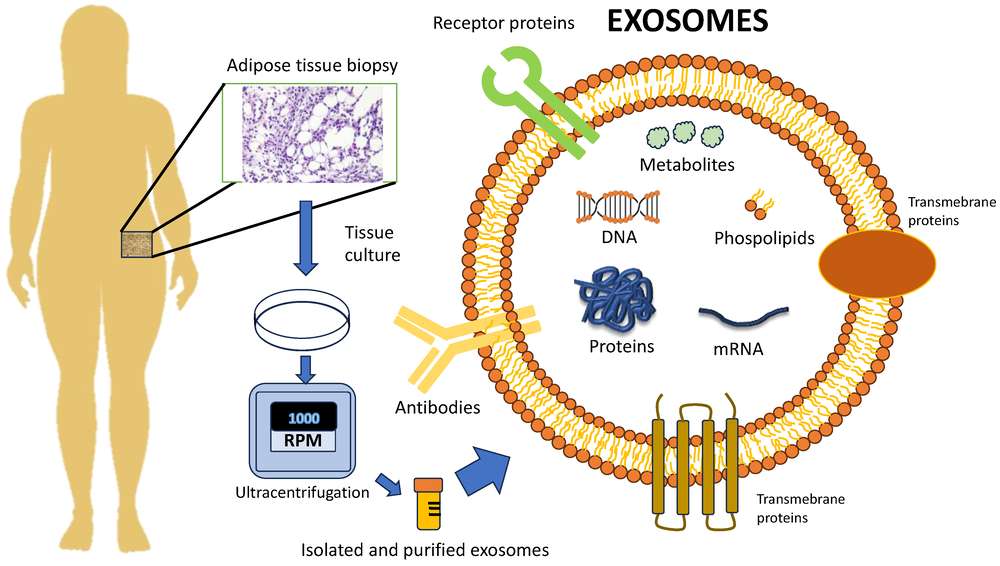 Fig.1 Representative Case of Exosome Content and an Extraction Method.1
"The moisturizing related markers selected by Creative Biolabs were highly relevant to our research focus. The results clearly showed how our exosome samples influenced cellular hydration pathways rather than only surface level effects."
"We appreciated that the study design did not rely on a single endpoint. Measuring multiple hydration associated indicators helped us understand the mechanism behind the observed effects."
"Creative Biolabs communicated clearly at each stage of the project. When we asked why certain genes were prioritized, the technical team provided detailed biological rationale instead of generic explanations."
"The final report was easy to integrate into our internal documentation. Data presentation was clean, and the interpretation stayed within a basic research context, which is exactly what we needed."
For references or project examples, Creative Biolabs can provide additional context upon request.
Exosome based moisturizing research continues to expand as scientists seek deeper understanding of skin hydration biology. Creative Biolabs provides structured, research driven testing services that support this exploration with reliable in vitro data and collaborative scientific input. For researchers planning moisturizing related exosome studies, contacting Creative Biolabs is the first step toward a well designed and informative evaluation.
A: Creative Biolabs supports testing of exosomes derived from various biological sources, provided they meet basic characterization and quality criteria. Sample suitability is reviewed prior to study initiation to ensure experimental reliability.
A: The service focuses on cellular and molecular indicators related to hydration rather than direct measurement of skin moisture. This approach is appropriate for basic research and mechanism focused studies.
A: Keratinocytes play a central role in barrier formation and water retention. Their responses provide valuable insight into hydration related pathways under controlled laboratory conditions.
A: Yes. Comparative designs are supported and commonly used to evaluate different exosome sources, doses, or processing methods within the same experimental framework.
A: No. All data generated are intended strictly for basic research and pre development evaluation. They are not designed to support clinical or therapeutic claims.
Reference