Specific Organ Models
Discover Creative Biolabs' Specific Organ Models, tailored research tools designed to facilitate the study of organ-specific diseases and biomedical research.
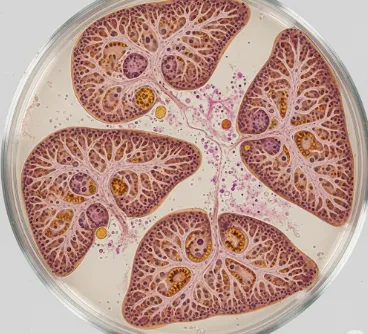
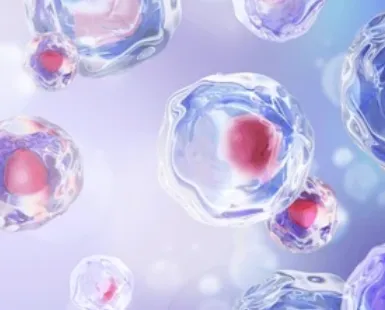
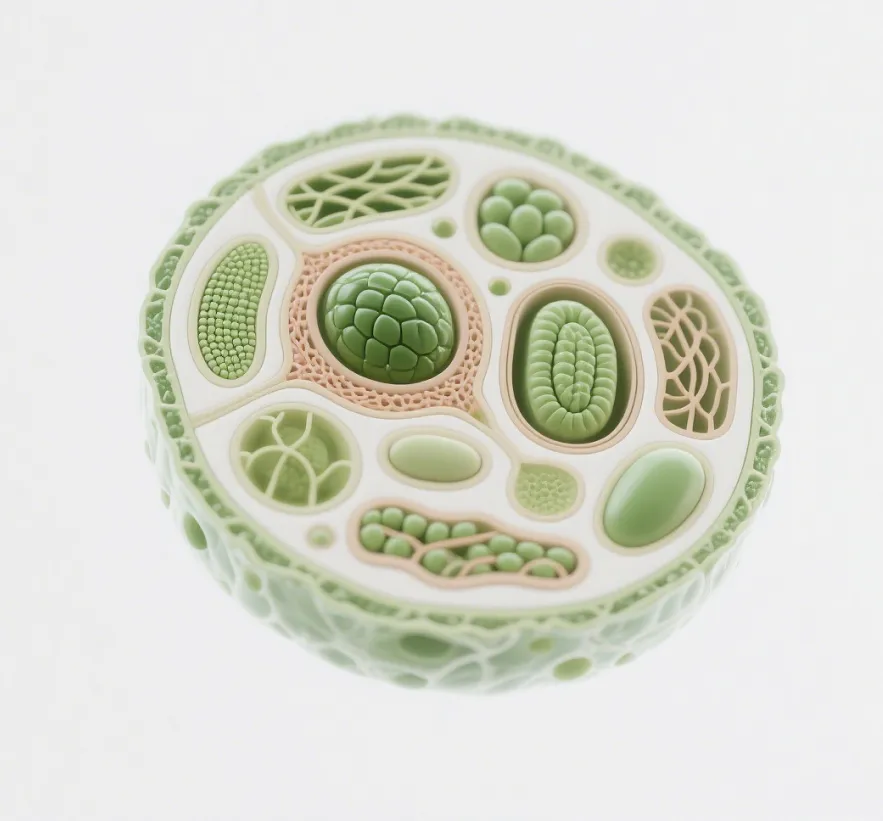
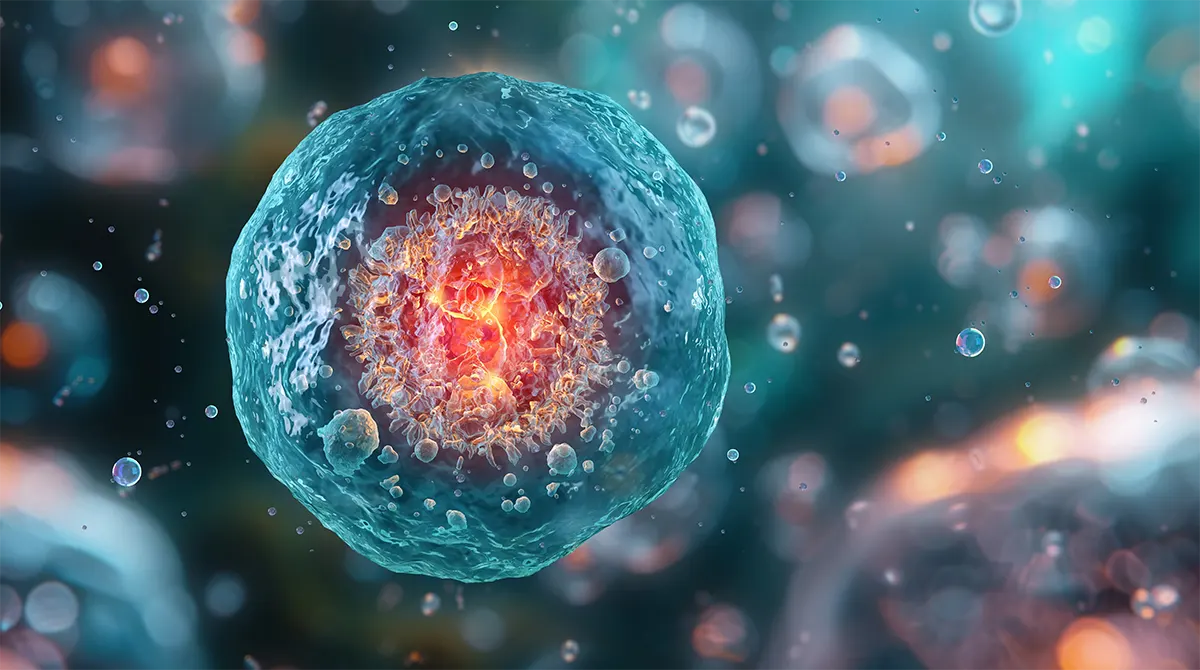
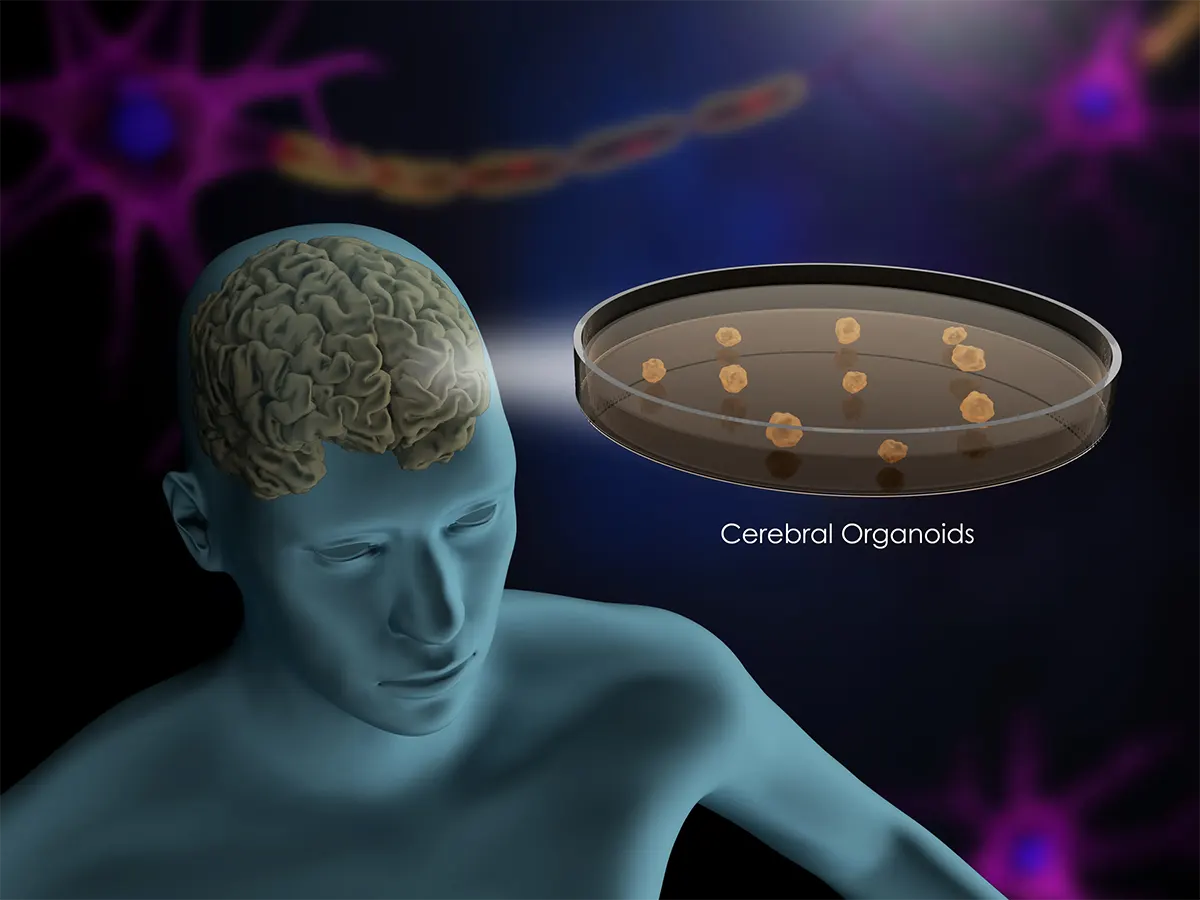
Explore Our Organ ModelsOrganoids are three-dimensional (3D) multicellular microstructures grown from stem cells. They are multicellular and have a high degree of self-assembly relative to the conventional 2D cell culture and can recapitulate more complex in vivo cellular responses and interactions. Organoids are 3D cell culture structures that have been engineered to self-organize and structurally and functionally resemble a given organ, such as the lung, liver, or brain.
Organoids are derived from primary cells (i.e. intestines, lungs, or kidneys) or induced pluripotent stem cells. Stem cells can differentiate and self-assemble into various tissue-specific organoids.
Usually, cells are pre mixed with Matrigel and the droplets are placed in a 24 well plate at room temperature. Then place the plate into the incubator to form a solid droplet dome. Then add the culture medium for seven days or longer to promote cell growth and differentiation into specific tissues.
Organoid culture is a lengthy process that may involve several steps using different culture media. During this process, it is necessary to monitor the cellular health status (imaging), which is typically used to understand developmental biology and tissues.
Before conducting experiments, it is necessary to monitor and characterize organoids to ensure that they have appropriate tissue structure and differentiation. High content imaging allows for monitoring and visualization of the growth and differentiation of organoids.
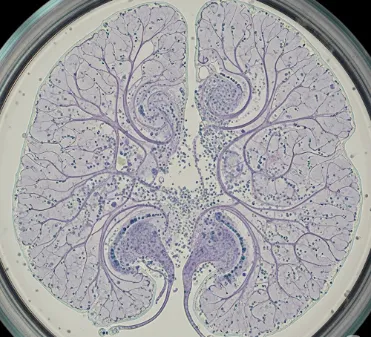
Confocal imaging and 3D analysis of organoids allow for visualization and quantification of organoids and the cells that make up them. The characterization of various quantitative descriptors of organoids can be used to study disease phenotypes and composite effects.
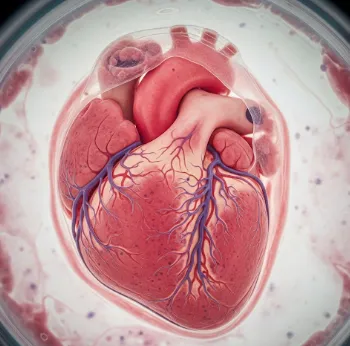
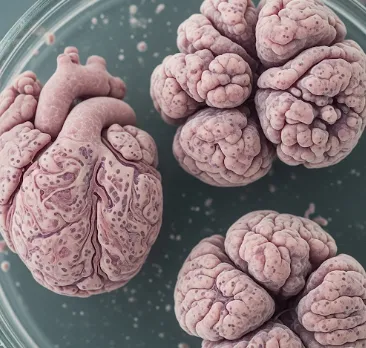
Organoid cultures are structures that closely resemble the structure and function of real organs, like lungs or hearts. It is created by steering stem cells to form particular types of cells, for example, in order to get heart cells. Then these particular types of cells can self-assemble to form a 3D structure. From there they can develop to resemble small versions of real organs. This makes organoids useful tools for 3D research.
Organoids allow you to generate complex interactions between cells. They can be made up of multiple cell types that interact with one another in order to carry out organ like functions. For this reason, they are more similar to real organs than other types of cell cultures. However, organoids are still simpler than real organs, and will lack many components of a real organ such as blood vessels and nerves. Organoids have a number of applications, for example drug screening, personalized medicine and cancer research.
Organoids are derived from stem cells and cultured in very specialized media to ensure proper organoid growth and development. This is achieved by optimizing the cultivation and growth conditions, such as providing a basement membrane substrate and adding a range of agonists (such as Wnt and tyrosine kinase receptors) and inhibitors (such as bone morphogenetic protein/transforming growth factor - β).
Organoids rely on complex self-organizing processes to form 'micro-organs'. On the contrary, when physical or mechanical forces (such as stirring) are applied, primary cells produce multicellular structures through simple intercellular adhesion, resembling spheres rather than organlike structures.
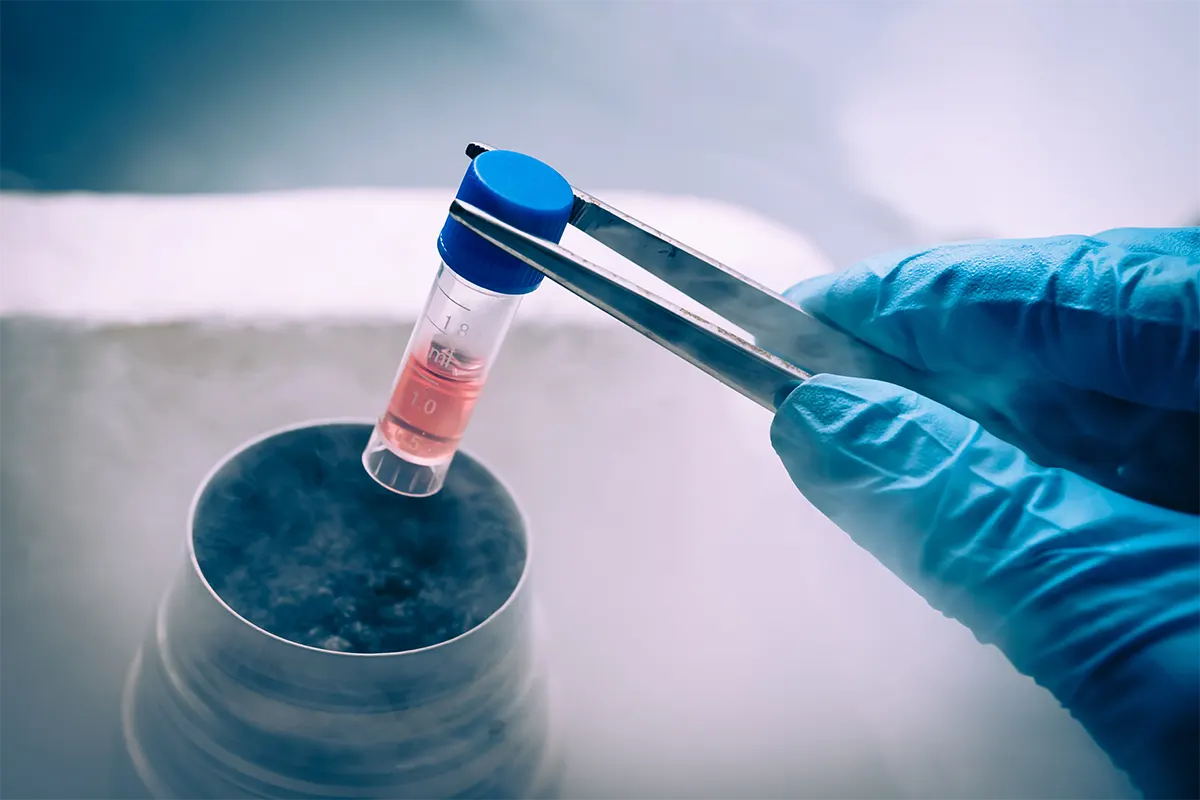
The organoids have been successfully cryopreserved and can be used as in vivo biobanks for in vitro preservation without damaging their genome and morphological characteristics. This makes the biobank available for repeated research.
In contrast, primary cells are more like a one-time solution. Although primary cells can be frozen for repeat studies, they are more difficult to successfully revive, so repeat studies require returning to the original tumor tissue to re drive the cells.
In the long run, in vitro expansion of cultured cells requires an immature population of stem cells to replenish dying cells. Due to the fact that organoids originate from and maintain a population of stem cells during in vitro culture, this ensures their long-term survival ability. Organoids also retain cellular composition, structure, and genetic characteristics during multiple passages.
This is a key characteristic of organoids, leading to the development of multicellular structures from stem cells or progenitor cells, and exhibiting significant similarities to the structure of organs in the body.
Due to the fact that organoids are derived from stem cells and preserved under specific culture conditions, they not only summarize the genomic composition of the original tissue, but also demonstrate genomic stability in multiple passages.
This means that organoids can reproduce and be cryopreserved to establish a biobank, and can be revived for repeated studies without compromising genetic traits.
Organoids have physiological relevance and can be used for molecular and cellular biology analysis, with great prospects in both basic research and translational applications.
The organoid iPSCs derived from embryonic stem cells retain the characteristics of their developmental stages, which helps to study the embryonic development process, lineage norms, and tissue homeostasis. It also reveals the development and ecological niche of stem cells.
Organoids represent all the components of organs and are suitable for studying infectious diseases that affect specific human cell types. Lung organoids from iPSCs of healthy children carrying empty alleles of interferon regulatory factor gene for studying influenza virus replication.
Organ transplantation from adult stem cells can help replace damaged organs or tissues. In addition, the feasibility of using CRISPR/Cas9 technology for gene correction can be used to treat monogenic inherited diseases.
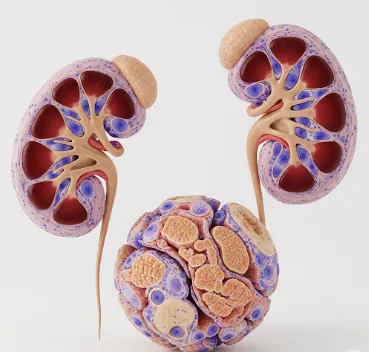
The possibility of testing the efficacy and toxicity of drugs on representative targets/organs (gut, liver, and kidneys) may limit ethical issues related to animal use. Hyman renal organoids used to demonstrate the nephrotoxicity of cisplatin.
Sphere is a general term for any 3D cell aggregate that typically self assembles in culture, and it can typically be composed of a single cell type or even a mixture of multiple cell types. Spheres can sometimes have different cell types, but these cells are poorly organized internally and do not have different differentiation states within their cell types, as seen in organoids. Organoids are organlike structures that spontaneously develop from stem cells. Stem cells differentiate into various tissue-specific cell types and self-organize these differentiated cell types into cell polarity and tissue structure patterns similar to those of organs in the body.
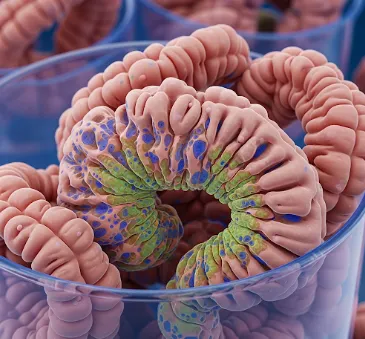
This largely depends on the type of organoid, the source of cells, and the culture conditions. Many types of organoids, especially those derived from adult stem cells such as intestinal organoids, can be passaged and expanded for months or even years without genetic or functional degradation. PSC derived organoids can also be cultured for a long time, although they may take a long time to fully mature.
Creative Biolabs is a world-renowned service provider of advanced 3D organoid model services that help researchers and pharmaceutical companies fast-track their research and therapy development. We offer an extensive range of 3D organoid model services including customized model generation, functional assays and high throughput screening for all stages of organoid research. Contact us today to learn more!