Complement-Dependent Cytotoxicity (CDC) Assay Service

Complement-Dependent Cytotoxicity (CDC) Assay Service

Creative Biolabs provides customized cell-based CDC assays for therapeutic antibodies, bispecifics, Fc-engineered candidates, biosimilars, complement-modulating molecules, and immune sera. We support target-cell selection, complement-source qualification, assay optimization, non-radioactive cytotoxicity readouts, dose-response analysis, fit-for-purpose qualification, and interpretable potency or mechanism-of-action data.

Discuss Your CDC Assay Project
Inquiry
Service Overview

Measure Whether Your Molecule Converts Target Binding into Complement-Mediated Cell Killing

Custom CDC testing from feasibility through relative potency

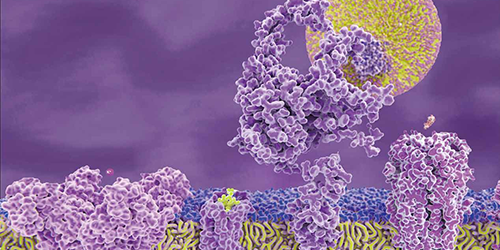
Complement-dependent cytotoxicity is an Fc-mediated effector function in which cell-bound antibody recruits C1q, initiates the classical complement cascade, promotes C3b deposition and terminal pathway activation, and ultimately forms membrane attack complexes that compromise the target-cell membrane. A useful CDC assay must therefore align several biological variables: antigen density, antibody epitope and isotype, Fc organization, complement activity, target-cell susceptibility, complement-regulatory proteins, incubation conditions, and the selected viability or lysis readout.

Our service is designed for teams that need to demonstrate a candidate's CDC mechanism of action, compare antibody leads or Fc variants, assess lot-to-lot or biosimilar comparability, characterize vaccine-induced antibodies, investigate resistance, or determine whether a complement inhibitor changes antibody-mediated lysis. Projects can be connected with our broader cell-based complement activity assays and complement function/activity tests when a more complete complement profile is required.

Target Bindingantibody engages cell-surface antigen
C1q Recruitmentclustered Fc domains initiate C1
CascadeC3 and C5 convertases amplify activation
MAC AssemblyC5b-9 forms membrane pores
Cytotoxicitylysis produces a dose response

What a well-designed CDC result should explain

A dose-response curve alone cannot show why one molecule or cell model performs differently from another. We therefore define the biological context needed to interpret the curve. A high-affinity antibody may still produce limited CDC if antigen density does not support Fc clustering, if the epitope positions Fc domains poorly for C1q binding, or if the target cell expresses strong membrane regulators. Conversely, active complement can create misleading background when the source is not compatible with the cell line or is used above the useful concentration range.

Where the program requires mechanistic depth, the CDC endpoint can be connected to antigen-expression measurements, C1q-binding assessment, C3b deposition assays, or C5b-9 deposition analysis. These orthogonal measurements help distinguish deficient initiation, insufficient cascade amplification, terminal-pathway regulation, and target-cell resistance.

Fit-for-Purpose Strategy

Design the Assay around the Molecule, Target Cell, and Decision

CDC is not a single fixed protocol. We define the assay according to the development question and identify the variables most likely to limit dynamic range, specificity, or transferability before committing to a larger sample set.

Candidate activity

Therapeutic Antibody Potency

Generate concentration-response data for monoclonal antibodies, bispecific antibodies, Fc-engineered constructs, or other target-binding formats whose activity includes classical pathway recruitment and target-cell lysis.

Relative comparison

Lead and Variant Ranking

Compare candidates under a common set of target-cell, complement, and readout conditions. EC50, maximal cytotoxicity, curve shape, and activity window can be evaluated alongside binding or C1q-recruitment evidence.

Comparability

Biosimilar and Lot Assessment

Develop a relative CDC bioassay that can compare a test article with a reference material. Assay suitability, curve parallelism, precision, and controlled system suitability criteria are addressed according to program stage.

Mechanism studies

Complement Inhibition

Determine how test compounds, blocking antibodies, heat treatment, complement depletion, or pathway-specific interventions change cell killing. Projects can be paired with our complement inhibitor validation service.

Immune sera

Vaccine or Serum CDC

Assess whether antigen-specific serum antibodies recognize target cells and initiate complement-mediated cytotoxicity. Designs can include preimmune or control sera, heat-inactivated complement, target-negative cells, and titer-normalized comparisons.

Resistance biology

Target-Cell Susceptibility

Compare cell lines or engineered models that differ in antigen density or complement-regulatory proteins such as CD46, CD55, and CD59. This helps separate weak antibody activity from intrinsic cellular resistance.

Need a broader complement testing strategy?

Combine CDC with pathway activity, activation-product, deposition, or hemolysis assays.

Explore Complement Test Services
Detection Platforms

Select a Readout That Resolves the Expected Biology

The most suitable endpoint depends on target-cell handling, expected lysis kinetics, sample throughput, required sensitivity, and whether population-level viability or cell-resolved information is needed. We prioritize non-radioactive methods and select controls that make the resulting signal interpretable.

Luminescent Cell Viability

ATP-dependent viability assays provide a sensitive, scalable endpoint for concentration-response and relative potency studies. Conditions are optimized to minimize complement-only toxicity and preserve an adequate response window between untreated and maximum-lysis controls.

Released-Enzyme or Dye Readouts

LDH, GAPDH, calcein, or related release approaches can quantify loss of membrane integrity. The assay is selected according to background release, matrix compatibility, incubation time, and the need to measure lysis directly rather than infer viability.

Flow Cytometry

Viability dyes and optional phenotyping markers can separate live and dead target cells, support mixed-population experiments, and evaluate target expression or complement-regulatory proteins in parallel with CDC susceptibility.

Fluorescence and Imaging

Fluorescence-based viability, membrane-permeability, or imaging endpoints can be used when spatial information, cell morphology, kinetic tracking, or 2D-versus-3D model comparisons add value to the study.

Assay Variable Options We Can Evaluate Why It Matters Representative Output
Target cells Established tumor cell lines, engineered cell lines, selected primary cells, or customer-provided models Antigen density and complement-regulatory proteins directly influence CDC susceptibility Baseline viability, target expression, and cell-specific response
Complement source Qualified human serum, rabbit complement, species-matched material, or project-defined source Activity, matrix effects, and nonspecific toxicity vary by source and lot Complement titration and source comparison
Test article mAbs, bispecifics, Fc variants, biosimilar/reference pairs, immune sera, or complement modulators Format, isotype, epitope, and aggregation can alter complement engagement Concentration-response curve and relative activity
Incubation Antibody prebinding, complement concentration, temperature, exposure time, and cell density Conditions must allow specific lysis while controlling spontaneous death Optimized dynamic range and reduced variability
Data model Percent cytotoxicity, percent viability, EC50, maximal effect, area under curve, or relative potency The analysis must match the scientific decision and assay stage 4-parameter logistic fit and comparative statistics

Selecting the endpoint for the decision

Discovery screening often benefits from a scalable plate-based viability or release assay that can rank many candidates under common conditions. A comparability program may place greater emphasis on curve parallelism, reference-material performance, inter-run precision, and a stable dynamic range. Mechanistic work may require flow cytometry or imaging to determine whether only a subpopulation is killed or whether target expression and regulatory proteins explain heterogeneous susceptibility.

Planning around sample and matrix constraints

Concentrated antibody formulations, serum samples, novel excipients, residual preservatives, or colored and fluorescent compounds can interfere with specific readouts. We review matrix composition and sample availability early, establish dilution conditions, and reserve material for confirmatory repeats. When a conventional viability endpoint is vulnerable to interference, an alternative release or cell-resolved format can be considered.

Project Workflow

A Stage-Gated CDC Assay Development Process

Each program begins with the biological decision the assay must support. Feasibility and optimization precede broad sample testing so that target cells, complement, treatment conditions, controls, and response metrics are aligned before valuable test articles are consumed.

Scope the Study

Review molecule format, target biology, desired application, sample numbers, controls, cell models, and reporting needs.

Qualify Reagents

Confirm target-cell health and expression, screen complement activity, and establish positive and negative materials.

Optimize Conditions

Titrate cell density, complement, test article, incubation, and readout to produce a specific and reproducible window.

Test Samples

Run controlled concentration-response experiments with technical and biological replication appropriate to the objective.

Analyze and Report

Calculate cytotoxicity and curve parameters, review quality criteria, compare groups, and provide interpretation and next steps.

Start with a focused feasibility study

Determine whether the selected target cells and complement source produce a usable CDC response before expanding the program.

Start CDC Assay Feasibility
Data Confidence

Controls That Demonstrate the Signal Is Truly Complement Dependent

A credible CDC result must separate target-specific antibody activity from complement toxicity, spontaneous cell death, nonspecific binding, and direct cytotoxicity. We build the control map before testing and tailor performance criteria to feasibility, screening, characterization, or relative-potency use.

Cells Only

Defines untreated viability and spontaneous release under assay conditions.

Complement Only

Identifies complement-source toxicity or alloreactivity independent of test article.

Antibody Only

Reveals direct effects of the molecule when active complement is absent.

Heat-Inactivated Complement

Confirms that the measured killing requires functional complement activity.

Isotype or Nonbinding Control

Controls nonspecific Fc effects and target-independent interactions.

Maximum-Lysis Control

Defines the full signal range needed to calculate percent specific cytotoxicity.

Positive-Control Antibody

Monitors assay performance and complement competence across runs.

Target-Negative Cells

Tests whether lysis depends on cell-surface antigen engagement.

Complement Inhibition

Pathway blockers or depleted components can localize the mechanism when required.

Fit-for-purpose performance assessment

Depending on program stage, assessment may include response-window stability, signal-to-background, replicate precision, inter-day or analyst variability, complement-lot effects, dilutional parallelism, curve-fit quality, reference-sample recovery, and robustness to selected procedural changes.

For assays intended to compare test and reference materials, acceptance criteria are defined prospectively and linked to the relative-potency calculation. Early discovery studies can use a lighter qualification package focused on ranking confidence and biological interpretability.

Need upstream evidence of classical pathway engagement?

C1q binding can complement the cell-killing endpoint and help interpret Fc-mediated activity.

Explore Complement C1q-Binding Assays
Creative Biolabs Original Data

Case Study

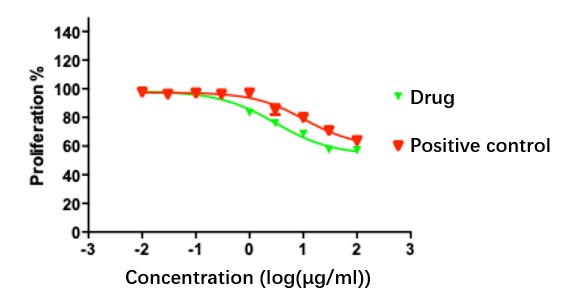
Complement CDC assay results. (Creative Biolabs Original)
Fig.1 CDC results in Creative Biolabs.
Monoclonal antibody evaluation

Creative Biolabs conducted a CDC assay to evaluate the efficacy of a monoclonal antibody. The test was performed on multiple cancer cell lines with a positive control included. Target cells were cultured in specific media, followed by serial dilution of the antibody and co-incubation with human serum. Luminescence was measured to assess cell viability. Data analysis demonstrated variable CDC effects across the different cell lines. This assay provides crucial insights into antibody-mediated cytotoxicity, assisting in the development of targeted immune therapies.

Study Outputs

Deliverables Aligned to Your Program Stage

Feasibility studies emphasize reagent selection, assay-window discovery, and a clear go/no-go recommendation. Screening programs prioritize standardized candidate comparison, while characterization or relative-potency programs add deeper performance assessment, reference controls, and data analysis. The final package is configured around the decision your team must make rather than a fixed list of assays.

Scientific communication points are built into the project so cell-line, complement, readout, and acceptance decisions can be reviewed before sample testing. The final report distinguishes measured observations from development recommendations and records factors that could influence transfer or future validation.

Researchers comparing direct lysis with pathway-level effects can extend the same program through a total complement activity test, hemolytic inhibition assay, or complement fixation assay. Coordinating related assays can reduce conflicting reagent conditions and create a clearer account of where a candidate acts in the cascade.

Deliverables may include

Customized study protocol
Reagent and control matrix
Optimization data
Raw and normalized results
Dose-response curves
EC50 and maximal lysis
Relative-potency analysis
Quality-control summary
Comparative statistics
Final technical report
Method transfer details
Follow-up consultation

Feasibility

Confirm target-cell responsiveness, complement compatibility, and a measurable CDC window using a focused reagent set.

Lead Screening

Rank candidates or Fc variants under harmonized conditions using potency and maximal-effect metrics.

Characterization

Establish a more complete data package with robustness, precision, comparability, and fit-for-purpose qualification.

Build a broader antibody effector-function package

CDC data can be interpreted alongside target binding and complementary cell-based mechanisms.

Explore Therapeutic Antibody Development
Related Research

Research Examples Informing CDC Assay Design and Interpretation

These original studies demonstrate how antibody isotype, antigen-to-regulator balance, three-dimensional tumor architecture, analytical readout, and immune-serum context can affect complement-dependent cytotoxicity data.

Rituximab-mediated complement-dependent cytotoxicity in B-cell lymphoma cell lines
Isotype and target-cell context

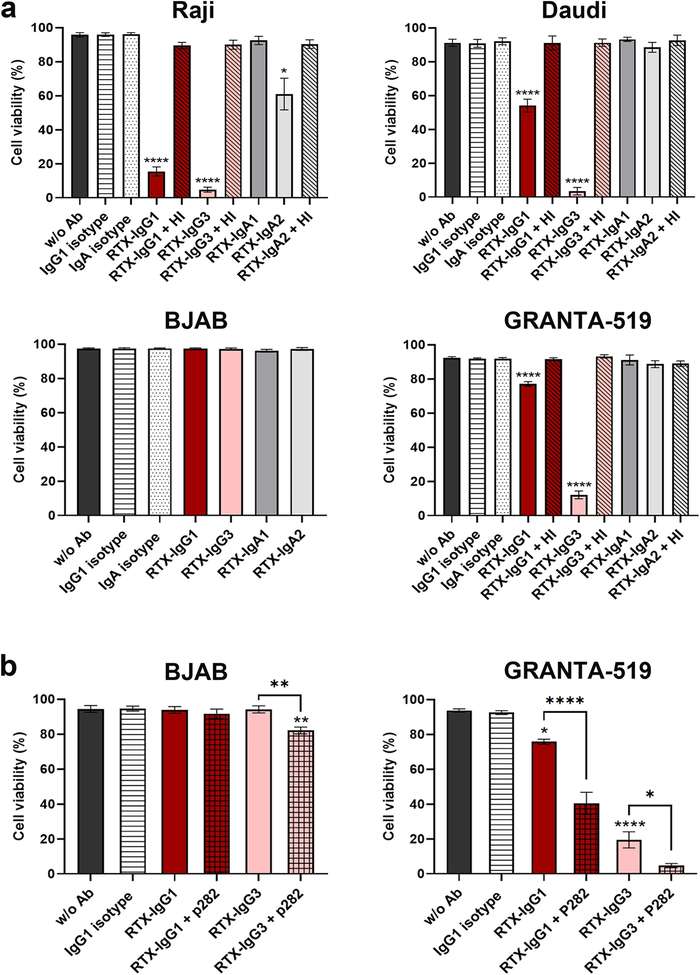
Rituximab CDC in 2D and 3D B-cell lymphoma models

Lara and colleagues compared rituximab isotypes across lymphoma models and showed that CDC outcome was influenced by isotype, CD20/CD59 balance, and three-dimensional tumor architecture.

View research via DOI
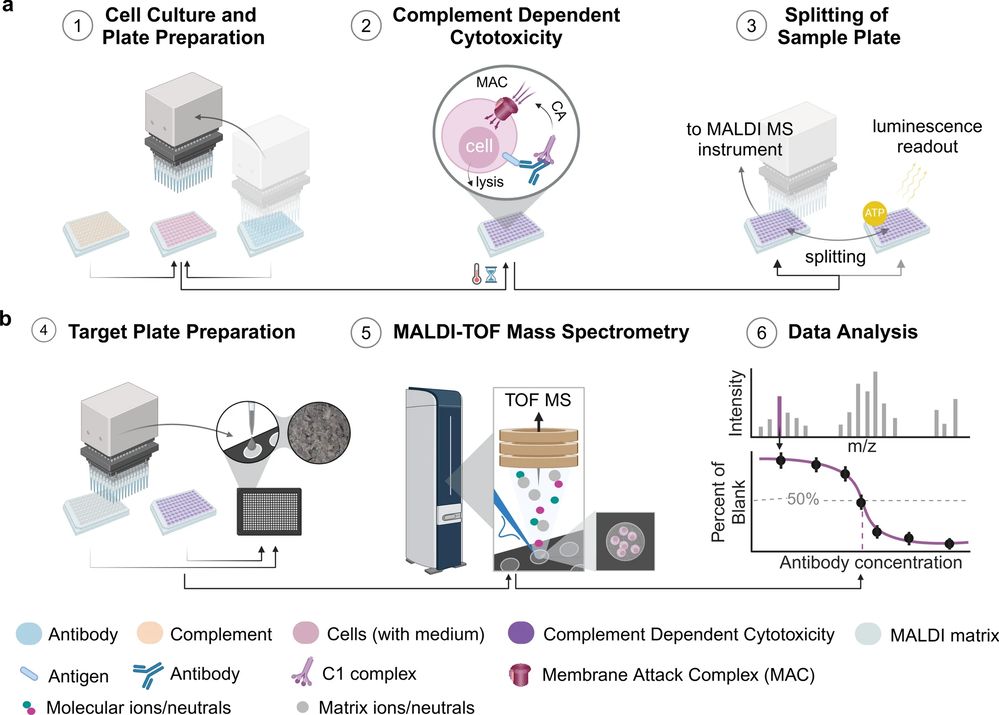
Workflow of a label-free whole-cell MALDI mass spectrometry CDC bioassay
Alternative bioassay readout

Label-free whole-cell MALDI assessment of therapeutic-antibody CDC

Schmidt and colleagues developed a MALDI-TOF MS cell bioassay for rituximab CDC and benchmarked concentration-response characteristics against a luminescent viability assay.

View research via DOI
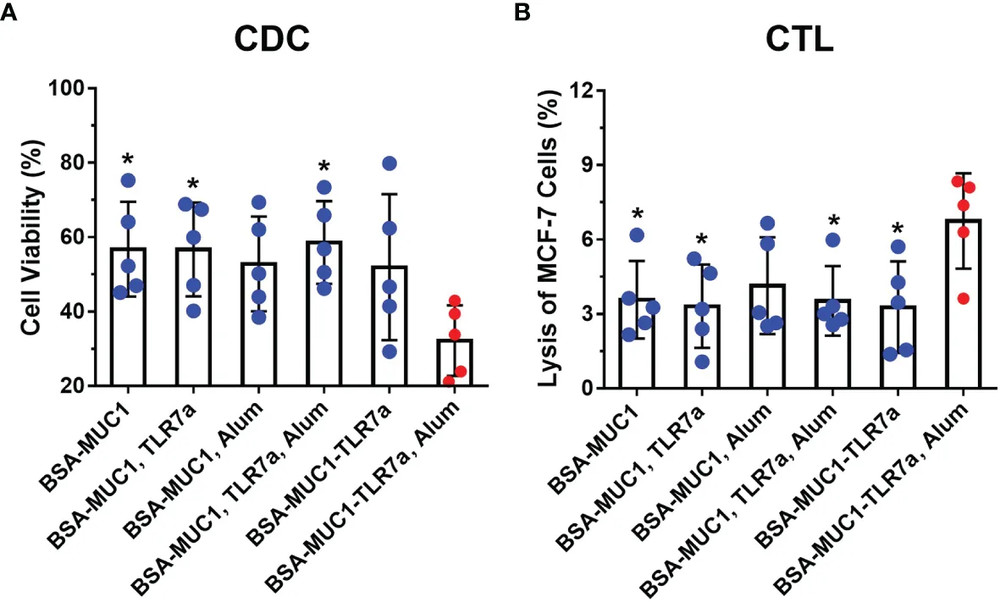
CDC and cytotoxic T lymphocyte activity after MUC1 vaccine immunization
Immune-serum effector function

CDC assessment of antibodies elicited by an MUC1-targeted vaccine

Zhou and colleagues used a CDC assay to test whether vaccine-induced serum antibodies could bind MUC1-positive cells and promote complement-dependent target-cell killing.

View research via DOI
Questions and Answers

Frequently Asked Questions

Which molecule types can be evaluated in a CDC assay?

Projects may involve monoclonal antibodies, bispecific antibodies, Fc-engineered variants, biosimilar and reference-product pairs, immune sera, and complement-modulating molecules. Suitability depends on target-cell binding, the proposed mechanism of action, available controls, and whether the format can productively recruit or alter the complement cascade.

Can Creative Biolabs work with my target cell line or a customer-provided model?

Yes. Established tumor cell lines, engineered cell lines, selected primary cells, or customer-provided models may be considered. We review antigen expression, viability, growth characteristics, biosafety and handling needs, complement-regulatory protein expression, sample availability, and evidence that the model can generate an interpretable CDC window.

How is the complement source selected and qualified?

The choice may include qualified human serum, rabbit complement, a species-matched source, or another project-defined material. Candidate sources or lots can be titrated to identify a concentration that supports test-article-dependent lysis while minimizing complement-only cytotoxicity. Heat-inactivated material and a positive-control antibody help confirm source competence and mechanism.

How do you prove that observed cell killing is complement dependent?

The control design may include cells alone, test article without complement, complement without test article, heat-inactivated complement, isotype or nonbinding antibody, target-negative cells, a maximum-lysis control, and pathway inhibition or component-depletion conditions when needed. Together, these controls separate CDC from direct toxicity and nonspecific cell death.

Which readouts are available for CDC testing?

Depending on the study, non-radioactive endpoints may include luminescent viability, released-enzyme or fluorescent-dye assays, flow-cytometric viability, and imaging-based methods. Readout selection considers target-cell type, expected kinetics, throughput, background release, matrix interference, and whether cell-resolved information is required.

Can the assay support relative potency or biosimilar comparability?

Yes. After feasibility and optimization, a reference-controlled concentration-response format can be developed for relative activity assessment. The program may examine curve fit, parallelism, precision, reference-sample recovery, complement-lot effects, and robustness according to the intended stage and use of the assay.

What information is needed to scope a CDC assay project?

Helpful starting information includes molecule format and isotype, target antigen, expected mechanism, available target cells, reference and positive-control materials, preferred complement source, sample number and concentration, desired readout, required data analysis, project stage, and the decision the final data must support. Missing elements can be addressed during a focused feasibility phase.


Scientific Literature

References

  1. Lara, Sandra, et al. “Exploring Complement-Dependent Cytotoxicity by Rituximab Isotypes in 2D and 3D-Cultured B-Cell Lymphoma.” BMC Cancer, vol. 22, 2022, article 678. https://doi.org/10.1186/s12885-022-09772-1.
  2. Schmidt, Stefan, et al. “Label-Free Assessment of Complement-Dependent Cytotoxicity of Therapeutic Antibodies via a Whole-Cell MALDI Mass Spectrometry Bioassay.” Scientific Reports, vol. 14, 2024, article 21462. https://doi.org/10.1038/s41598-024-71483-3.
  3. Zhou, Shi-Hao, et al. “Alum Adjuvant and Built-In TLR7 Agonist Synergistically Enhance Anti-MUC1 Immune Responses for Cancer Vaccine.” Frontiers in Immunology, vol. 13, 2022, article 857779. https://doi.org/10.3389/fimmu.2022.857779.

Download

Online Inquiry