
Viral engineering direction
Define how the OV should target tumors, replicate selectively, and carry functional payloads.

Creative Biolabs supports oncolytic virus programs from viral concept and engineering strategy to functional validation, preclinical planning, and manufacturability-aware development.
Built around the OncoVirapy™ platform, our development ecosystem helps connect viral backbone selection, tumor targeting, payload design, in vitro testing, in vivo evaluation, delivery planning, CMC, and quality control into a coordinated project path.
Oncolytic viruses are engineered or selected to preferentially infect, replicate within, and lyse tumor cells while reshaping the tumor immune microenvironment. Because these products combine properties of viral vectors, biologics, immunotherapies, and living replicating agents, development decisions made at one stage often influence the next.
Creative Biolabs supports oncolytic virus therapy development through a coordinated framework that connects viral backbone selection, engineering design, candidate construction, functional validation, and translational planning.
Define how the OV should target tumors, replicate selectively, and carry functional payloads.
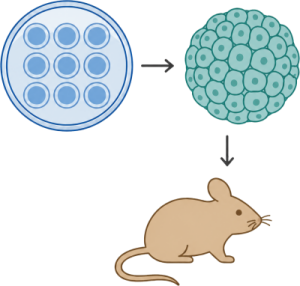
Convert design assumptions into measurable in vitro and in vivo readouts.
Align delivery, formulation, CMC, and QC considerations before late-stage handoff.
Oncolytic virus programs rarely enter development at the same point. Some teams are still comparing viral backbones, others need functional evidence for a lead candidate, and later-stage projects may need delivery, preclinical, CMC, or QC alignment before the next milestone.
Use this entry point to identify the decision that is blocking progress and move toward the most relevant design, construction, validation, optimization, or translational development route.
Start with backbone selection, tumor-targeting logic, payload strategy, attenuation, safety controls, and construct feasibility.
Connect infection, replication, cytotoxicity, transgene expression, immune activation, and selectivity readouts to a clear decision point.
Plan model selection, dose route, efficacy, biodistribution, shedding, toxicology, immune profiling, and sampling strategy.
Address formulation, delivery feasibility, process readiness, potency, infectious titer, identity, stability, and comparability planning.
Oncolytic virus therapy development is rarely a single-step request. Design choices, viral construction, functional evidence, and developability expectations need to stay connected as the program moves forward.
This layered view helps teams decide where to enter the Creative Biolabs service ecosystem, whether the immediate need is strategic design, candidate generation, biological validation, or readiness for translational and quality-control planning.
Strategic design connects viral backbone, tumor context, immune mechanism, delivery route, payload concept, and the first validation goal before major experimental resources are committed.
Virus generation turns the therapeutic concept into engineered constructs, viral material, and optimization directions that can be compared in functional studies.
Biological validation connects in vitro, 3D, immune, and in vivo readouts under one evidence plan, helping teams decide which candidates should advance.
Translational planning brings delivery, formulation, process, potency, titer, and QC expectations into earlier decisions so promising biology can move toward practical next steps.
A staged roadmap connects scoping, evidence design, construction, validation, preclinical profiling, and handoff so each step produces a clear development decision.

Confirm viral platform, tumor indication, materials, development stage, decision question, and timeline.

Translate the project question into construct logic, model choice, controls, readouts, and decision gates.

Generate or prepare research-grade viral candidates and confirm identity, titer, and basic fitness.

Evaluate replication, cytotoxicity, payload expression, immune activation, and selectivity endpoints.
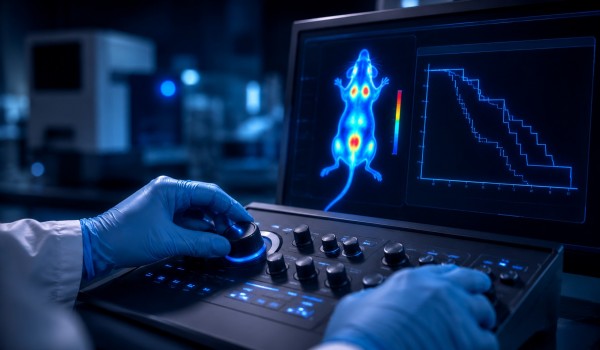
Advance leading candidates into model, route, biodistribution, shedding, safety, and immune endpoints.

Deliver next-step recommendations for engineering, validation, delivery, CMC, QC, or focused service options.
Projects can enter at design, construction, validation, preclinical planning, delivery, CMC, or analytical testing depending on available materials and data.
Use this service ecosystem to move from broad oncolytic virus development needs into focused design, construction, validation, preclinical, delivery, CMC, or QC support while keeping each focused service easy to access.



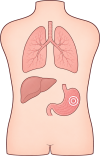
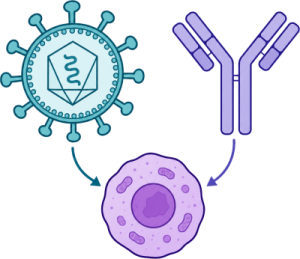


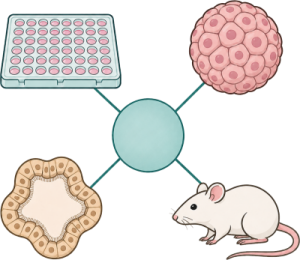
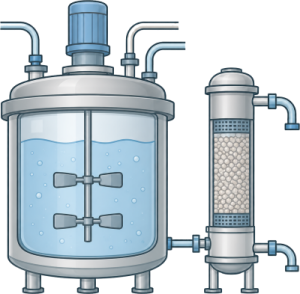

Technical capabilities are organized around the evidence clients need for platform design, payload engineering, functional testing, model selection, analytical readiness, and decision reporting.
Backbone comparison, payload feasibility, promoter logic, tumor selectivity, attenuation, targeting, and safety-control recommendations.
Cytokine, chemokine, antibody, checkpoint, engager, miRNA detargeting, and capsid or envelope retargeting strategy notes.
Replication, cytotoxicity, expression, immune activation, normal-cell counterscreening, and candidate ranking datasets.
Model-selection rationale, study design, biodistribution, shedding, efficacy, TME, and immune profiling summaries.
Identity, genome copy number, infectious titer, potency, purity, residuals, stability, and comparability-oriented assay planning.
Protocols, batch records, sample records, analyzed datasets, graphs, histology summaries, reports, and next-step recommendations.
Share available construct, virus, model, material, and project information so the first work package can be scoped around the right evidence threshold.
Viral species or strain, genome map, GenBank file or sequence, expected modifications, payload cassette, promoter design, passage history, titer, storage buffer, and biosafety requirements.
Target indication, tumor cell lines or biomarkers of interest, receptor expression, immune phenotype, relevant resistance mechanisms, model preferences, and known delivery constraints.
Plasmids, viral stock, infected cell lysate, purified virus, producer cell line, tumor cell lines, organoids, animal model information, reference standards, or previous assay reports.
Candidate comparison, mechanism confirmation, payload screening, route selection, safety evaluation, formulation improvement, manufacturing transition, or QC method development.
Raw data, analyzed figures, protocol summaries, study reports, construct documentation, batch records, sample inventory, QC certificate, or recommendations for next-step development.
Creative Biolabs connects oncolytic virus design, construction, validation, preclinical planning, delivery development, CMC awareness, and analytical testing into a coordinated development path.
Whether the priority is engineering, validation, model choice, delivery, or QC readiness, the workflow starts from the decision that blocks progress.
Engineering, construction, in vitro validation, in vivo studies, delivery, and analytical support can be coordinated through a shared project logic.
Reports and data packages are structured to clarify what should advance, what should be refined, and which focused service route should follow.


Review common scoping, engineering, validation, preclinical, delivery, CMC, and reporting questions before selecting the most relevant focused service path.
Yes. Creative Biolabs can compare viral platforms according to genome capacity, tumor tropism, replication behavior, transgene arming feasibility, immune-stimulation profile, delivery route, available tumor models, manufacturability considerations, and safety requirements. The goal is to narrow the program to a platform that fits the biological question and the next development milestone, not simply to select the most familiar virus type.
Yes. Early projects can begin with a disease area, mechanism hypothesis, plasmid design, genome sequence, proposed payload, target antigen, or exploratory data package. When materials are limited, the first step is usually a feasibility and evidence-planning review that defines the minimum information needed for construction, validation, or route selection.
Helpful inputs include the virus type or intended platform, construct map or sequence, payload design, available plasmids or viral stocks, target indication, preferred cell or animal models, previous assay results, biosafety requirements, expected deliverables, timeline, and whether the work is intended for screening, mechanism confirmation, preclinical planning, or CMC-oriented preparation.
Yes. Projects may involve unarmed viruses, viruses carrying cytokines, chemokines, checkpoint-related payloads, antibodies, enzymes, reporter genes, tumor antigens, or other functional cassettes. Engineering decisions can also include promoter selection, miRNA detargeting, attenuation logic, tropism adjustment, and safety-control design, depending on platform compatibility and study intent.
Yes. Candidate comparison can be configured as a harmonized screening package using standardized MOI, time-course, tumor cell panels, normal-cell counterscreens, replication kinetics, payload expression assays, cytotoxicity readouts, and manufacturability-related observations. A shared control framework makes ranking more interpretable across constructs.
Yes. If a client already has plasmids, viral stock, infected cell lysate, purified virus, a producer cell line, or previous characterization data, the work can start from verification, rescue, propagation, purification, analytical confirmation, or functional testing rather than redesign. Intake review helps determine which existing materials are usable and which controls should be added.
Cell-based assays help define infection, replication, killing, payload expression, immune activation, and selectivity. These results guide model choice, route, dose, schedule, biodistribution, shedding, tumor response, immune profiling, and safety endpoints for in vivo work. The most efficient programs use early validation data to avoid poorly matched animal studies.
Yes. Depending on the mechanism and indication, validation can include 2D tumor cell panels, spheroids, organoids, stromal co-cultures, immune co-cultures, PBMC-based assays, engineered immune-cell systems, or disease-specific model formats. These systems can help assess tumor penetration, immune activation, payload function, and model relevance before animal expansion.
Go/no-go criteria are defined around the project objective. For early screening, the key criteria may be replication, killing, expression, or selectivity. For translational work, criteria may include biodistribution, immune infiltration, tumor growth delay, survival, shedding, tolerability, potency, or analytical comparability. Creative Biolabs can help define thresholds before experiments begin.
Yes. Delivery-related work can consider intratumoral, systemic, regional, carrier-based, or formulation-supported approaches. Planning may address local retention, systemic exposure, tumor penetration, shielding from neutralization, storage conditions, handling, compatibility with downstream assays, and confirmatory tests for route feasibility.
CMC and QC planning should be considered before the program becomes dependent on non-comparable batches or poorly documented methods. Early attention to seed stock, infectious titer, genome copy number, identity, purity, residuals, potency, stability, and batch records can make later optimization and external transfer more efficient.
Outputs depend on scope, but may include design rationales, construction records, protocols, batch information, analyzed datasets, growth curves, dose-response plots, replication kinetics, cytokine or immune profiling summaries, biodistribution or histology summaries, QC notes, interpretive reports, risk registers, and recommended next-step service routing.
Whether your project begins with a viral platform concept, an engineered construct, a lead oncolytic virus candidate, or a product preparing for preclinical translation, Creative Biolabs can help design a development plan that matches your scientific objective and next milestone.