Product List Background ANXA4 Aptamer Analysis
Background
Creative Biolabs provides an extensive selection of top-notch aptamers targeting ANXA4 to help researchers improve their experiments and research. Our standards for excellence are upheld, and we are dedicated to supporting your research in biology.
Introduction
ANXA4, annexin IV or annexin A4, is a member of the annexin (ANX) protein family of calcium-dependent phospholipid-binding proteins. The ANXA4 gene is located at 2p13 and encodes a protein consisting of 319 amino acid residues with a molecular weight of 35.9 kDa. ANXA4 comprises four annexin repeats, each of which consists of five α helices and has a characteristic Ca2+ binding motif. ANX proteins play different roles in cells, such as controlling vesicle movement, cell division, programmed cell death, calcium signaling, regulating growth, and promoting inflammation. Furthermore, these proteins have been associated with various human illnesses like cancers, heart disease, stroke, and Alzheimer's disease. Certain annexin family members participate in processes related to cell membrane function in both the release and uptake pathways. ANXA4 has 45% to 59% similarity with other family members and has similar sizes and exon-intron organizations. A protein capable of interacting with ATP is encoded by ANXA4, which is isolated from the human placenta. It exhibits anticoagulant activity in vitro and also hinders phospholipase A2 activity.
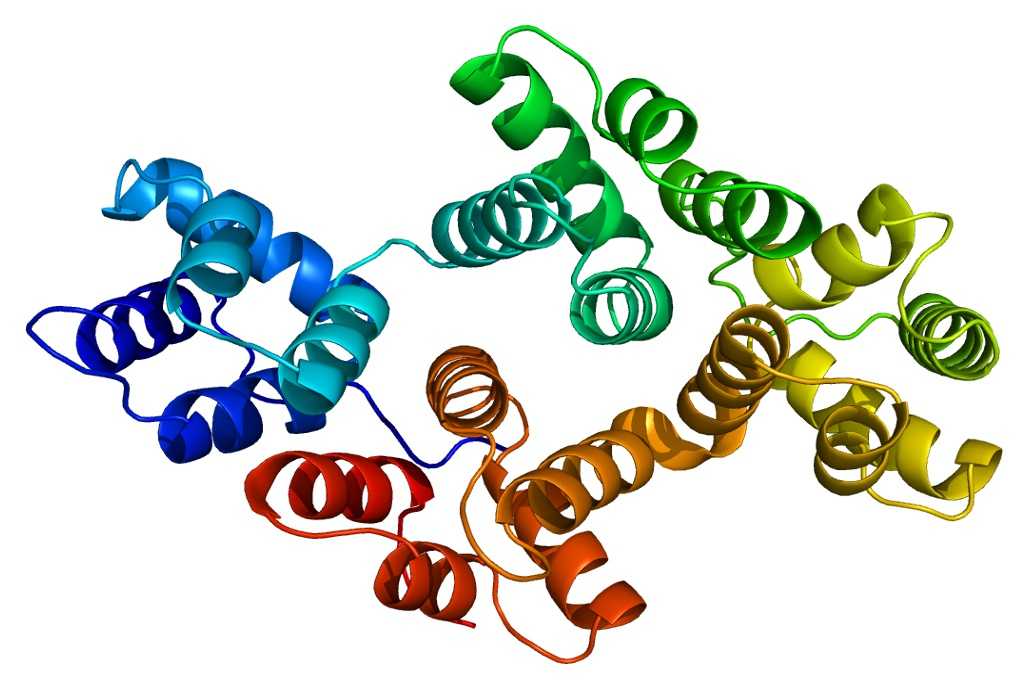 Fig.1 Structure of ANXA4. Distributed under CC BY-SA 3.0, from Wiki, without modification.
Function
Initially, ANXA4 is identified as a porcine protein II that binds to Ca2+ and lipids. Subsequent research reveals its ability to self-associate on membrane surfaces and cause aggregation of phospholipid membranes. ANXA4 expression is elevated in some cancers, such as kidney cancer, gastric cancer, and colorectal cancer. In addition, ANXA4 appears to be associated with alcoholism. ANXA4 levels are found to be elevated in the hippocampus of deceased individuals who had been diagnosed with alcoholism. When cells are exposed to ethanol, ANXA4 levels increase significantly.
Studies have shown that ANXA4 differentially regulates the NF-κB signaling pathway through its interaction with p50. The NF-κB family consists of transcription factor proteins such as Rel (c-Rel), RELB, RelA/p65, NFκB1 p50/p105, and NFκB2 p52/p100. The dimers of these proteins are responsible for controlling gene expression, influencing a range of biological processes such as innate and adaptive immunity, the formation of lymphoid organs, inflammation, B cell development, and stress response. ANXA4 can interfere with the NF-κB signaling pathway in the presence of activation of the signaling.
ANXA4 is associated with various cancer’s progression, invasion, migration, adhesion, and drug resistance. In gastric cancer, ANXA4 regulates cancer-related proteins such as AKT and p21. In hepatocellular carcinoma (HCC), it can regulate adhesion-related molecules such as ITG5, ITGB1, and E-cadherin. ANXA4 may also enhance paclitaxel resistance by interacting with Fhit in lung cancer and platinum resistance by interacting with ATP7A in endometrial cancer. Its dysregulation highlights the potential role of ANXA4 in cancer and provides new insights into cancer research.
Creative Biolabs provides various ANXA4 products to fulfil your diverse experimental requirements.
ANXA4 Aptamer Analysis
Anti-ANXA4 aptamers are synthetic oligonucleotides designed to bind specifically to ANXA4, a protein involved in cellular processes like membrane stabilization and apoptosis. Developed using SELEX, these aptamers have potential in diagnostics and therapies related to cancer, inflammation, and neurodegenerative diseases.
Anti-ANXA4 aptamers have broad applications in the detection and analysis of ANXA4 in various biological samples, providing insights into its role in disease states. They can be used in aptamer-based sensors, offering highly sensitive detection of ANXA4 expression levels in tissues or blood. Anti-ANXA4 aptamers have shown potential for early tumor detection, particularly in prostate and breast cancers, by binding to the elevated levels of ANXA4 present in cancerous tissues. Furthermore, they can be employed to study ANXA4's role in regulating cell membrane integrity, apoptosis, and inflammation, essential for understanding diseases like Alzheimer's and autoimmune conditions.
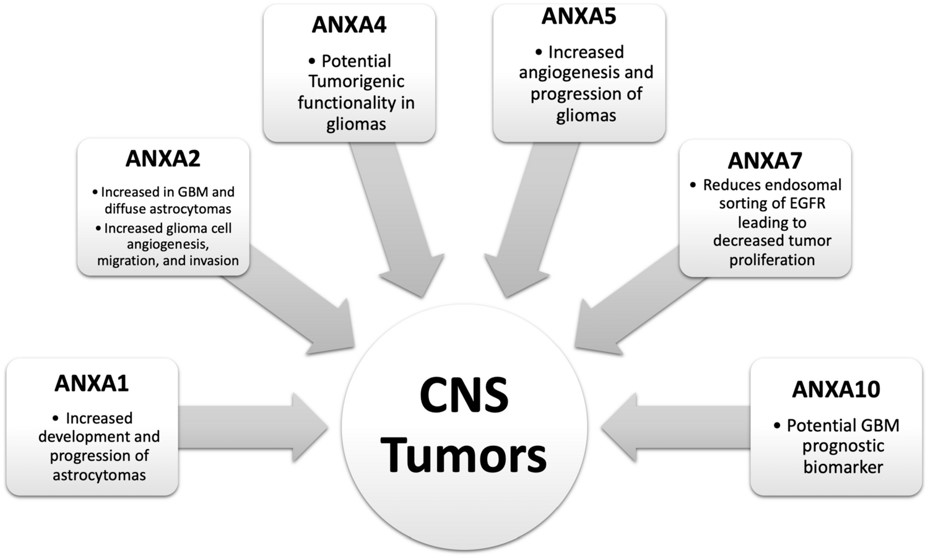 Fig.2 Roles of ANXA4 in central nervous system (CNS) tumors.1
In therapeutic applications, anti-ANXA4 aptamers may block ANXA4's interactions with its targets, possibly preventing tumor metastasis or modulating immune responses. Moreover, anti-ANXA4 aptamers can be used to identify and isolate cancer cells, facilitate imaging, and provide real-time monitoring of cancer therapies. In preclinical studies, anti-ANXA4 aptamers demonstrated efficacy in inhibiting cancer cell migration, highlighting their potential in targeted therapies.
Creative Biolabs offers tailored anti-ANXA4 aptamer development, including synthesis, conjugation, and binding assays. Our expertise ensures the creation of high-affinity, specific aptamers for your research, providing customers with reliable solutions for advanced diagnostic and therapeutic study project needs.
References
-
White, Zachary B., Sindhu Nair, and Markus Bredel. "The role of annexins in central nervous system development and disease." Journal of Molecular Medicine (2024): 1-10. Distributed under Open Access license CC BY 4.0, without modification.



 INQUIRY
 Datasheet