Product List Background
Background
Overview
CD28 is a co-stimulatory receptor on T cells essential for their activation and survival. Part of the immunoglobulin superfamily, CD28 interacts with its ligands, CD80 (B7-1) and CD86 (B7-2), which are present on antigen-presenting cells (APCs). Structurally, CD28 is a protein of around 44 kDa, comprising an extracellular immunoglobulin-like domain, a transmembrane domain, and a cytoplasmic tail. Functionally, CD28 provides the necessary second signal for T cell activation, complementing the T cell receptor (TCR) signal. This interaction promotes T cell proliferation, cytokine production (e.g., IL-2), and survival by upregulating anti-apoptotic proteins. CD28 signaling, primarily through PI3K/Akt and NF-κB pathways, enhances gene transcription essential for T cell function and works synergistically with other co-stimulatory and inhibitory receptors. Clinically, dysregulation of CD28 can lead to autoimmune diseases and chronic inflammation. CD28 is also targeted in cancer immunotherapy, notably in CAR T cell therapies, and its modulation can help prevent transplant rejection and promote tolerance. Therapeutically, CTLA-4, a negative regulator of CD28, competes for ligand binding and is used in autoimmune treatments. Ongoing research aims to identify new co-stimulatory pathways involving CD28, with its expression levels potentially serving as biomarkers for various diseases and immunotherapy responses. CD28's pivotal role in the immune system makes it a central focus in immunological research and clinical applications.
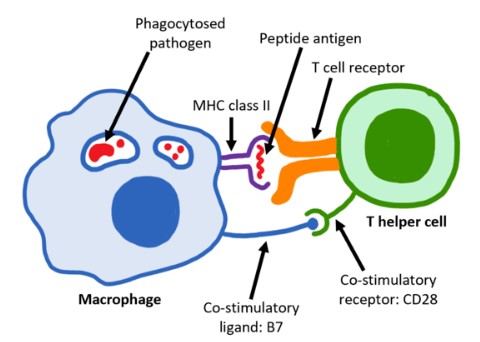 Fig.1 CD28 on a T cell interacts with the B7 to activate the T cell and immune response.Distributed under CC BY-SA 4.0, from Wiki, without modification.
Its Gene ID: 940, UniProtKB ID: P10747, and OMIM ID: 186760.
CD28 Aptamers
CD28 aptamers are promising for precisely targeting and modulating immune responses, offering potential therapeutic benefits across various diseases involving dysregulated T-cell activity.
-
Autoimmune Diseases: CD28 aptamers can potentially inhibit excessive T cell activation that characterizes autoimmune diseases. By blocking CD28 interactions, these aptamers might reduce the overactive immune responses that attack the body’s tissues, alleviating symptoms of diseases such as rheumatoid arthritis and lupus.
-
Cancers: In cancer immunotherapy, CD28 aptamers could enhance T cell activation and proliferation by mimicking or modulating the effects of CD28 signaling. This approach can strengthen the immune response against tumors, potentially improving the efficacy of cancer treatments and enhancing the body's ability to target and destroy cancer cells.
-
Transplant Rejection: CD28 aptamers might be used to modulate the immune response to reduce transplant rejection. By interfering with CD28-mediated T cell activation, these aptamers could help prevent the immune system from attacking transplanted organs, improving graft survival and reducing the need for immunosuppressive drugs.
-
Chronic Infections: In chronic infections where CD28 signaling may be disrupted, CD28 aptamers could help restore effective T cell responses. By enhancing or modulating CD28 interactions, these aptamers might improve immune function and help the body better control or eliminate persistent infections.
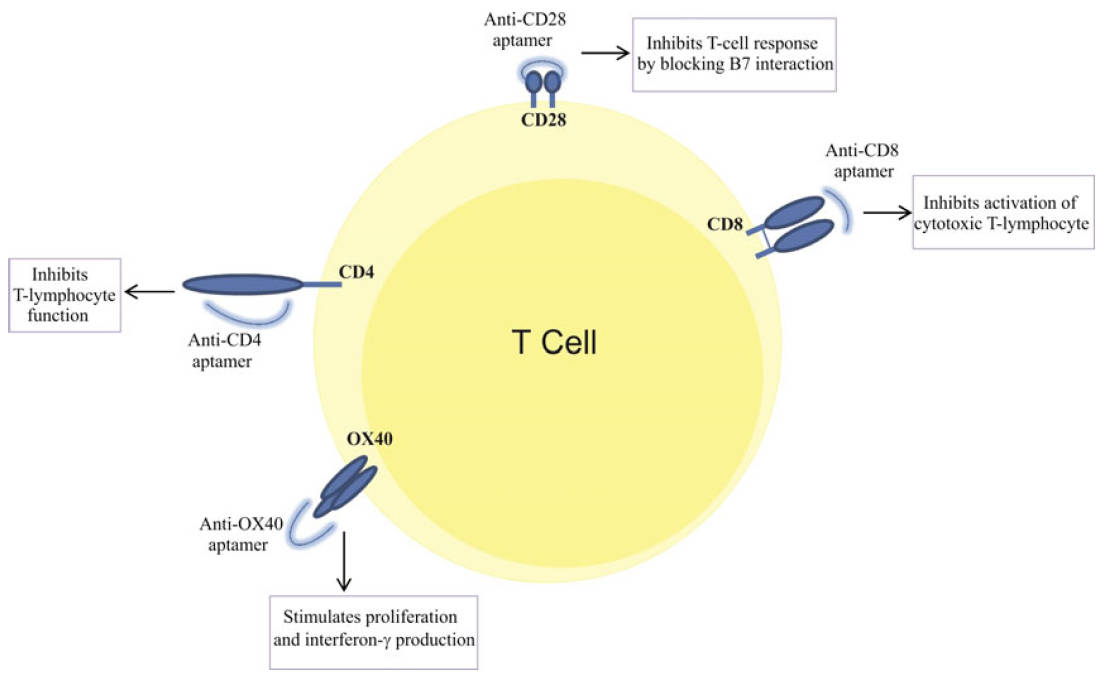 Fig.2 Interference of aptamers with T-cell activation.1
CD28 Functional Service
Creative Biolabs offers anti-CD28 aptamers renowned for their binding affinity to the human CD28 protein. These aptamers have become essential in advancing research and innovation in aptamer-based therapeutic and diagnostic strategies. For instance, RNA aptamers targeting murine CD28 have been engineered as antagonists or agonists to either stimulate or inhibit targets of interest, including receptors and growth factors implicated in cancer progression.
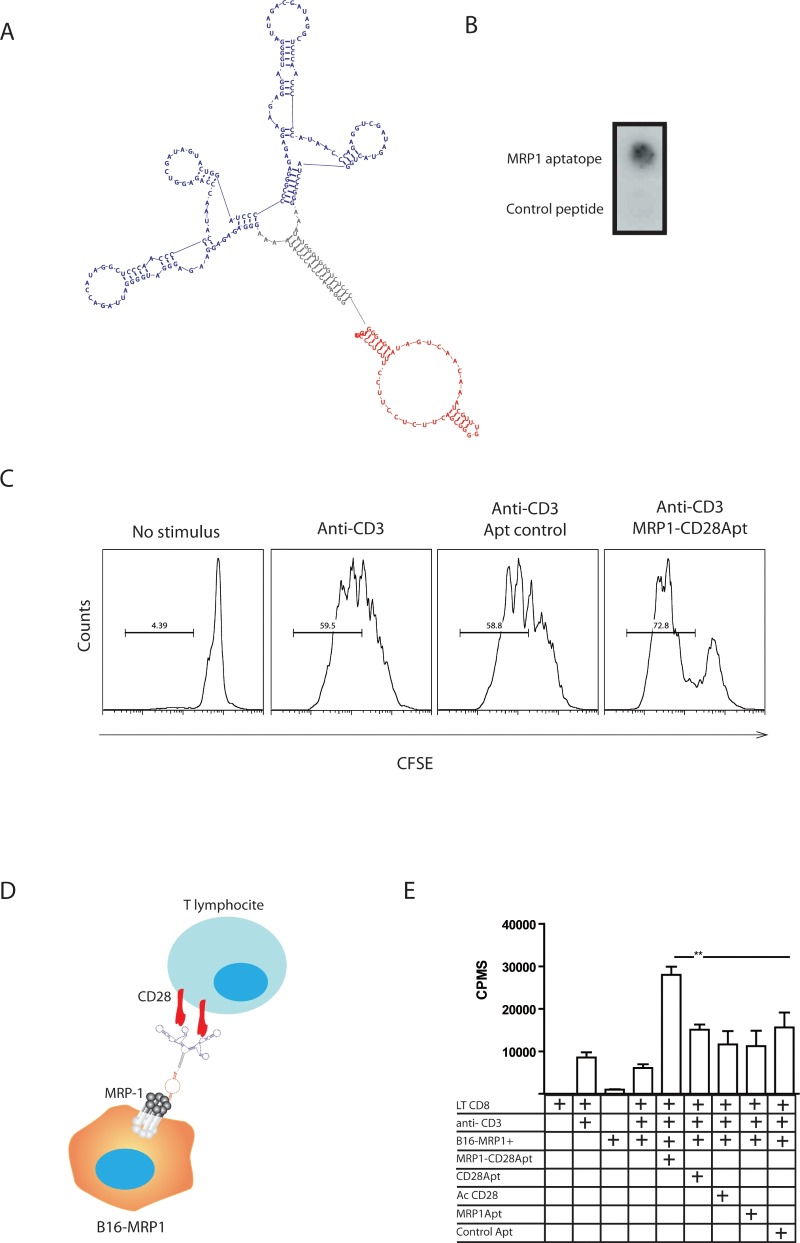 Fig.3 Analysis of bi-specific aptamer targeting MRP1-CD28.2
Researchers present a clinically viable approach to transform tumors into endogenous vaccines by coating melanoma cells with CD28 costimulatory ligands. This strategy targets T-cell costimulation in chemotherapy-resistant and historically untreatable tumors, often characterized by an abundance of cancer stem cells and high expression of chemotherapy-resistant proteins. Researchers developed the first aptamer targeting such tumors via a novel combinatorial peptide-cell SELEX, specifically focusing on MRP1-expressing tumors. Researchers devised a bivalent MRP1-CD28 aptamer designed to bind these tumors and transmit the CD28 costimulatory signal to lymphocytes infiltrating the tumor. This bi-specific aptamer enhances costimulation and, when administered to melanoma-bearing mice, reduces tumor growth and improves survival.
CD28 aptamers are artificially crafted nucleic acid molecules designed to bind selectively to the CD28 protein, a co-stimulatory receptor crucial for T-cell activation and survival. By specifically targeting CD28, these aptamers can alter immune responses, either boosting or suppressing T-cell activity as required. This capability renders CD28 aptamers as invaluable tools in immunotherapy, holding promise for applications in addressing autoimmune disorders, preventing transplant rejection, and enhancing anti-tumor immune reactions. Creative Biolabs is dedicated to maintaining the highest levels of quality and innovation in its aptamer services, employing cutting-edge technologies and rigorous quality control to provide dependable and effective anti-CD28 aptamers customized to client requirements.
References
-
Oelkrug, Christopher, et al. "Antibody‐and aptamer‐strategies for Gv HD prevention." Journal of Cellular and Molecular Medicine 19.1 (2015): 11-20. Distributed under Open Access license CC BY 3.0, without modification.
-
Soldevilla, Mario Martínez, et al. "MRP1-CD28 bi-specific oligonucleotide aptamers: target costimulation to drug-resistant melanoma cancer stem cells." Oncotarget 7.17 (2016): 23182. Distributed under Open Access license CC BY 4.0, without modification.


 INQUIRY
 Datasheet