Product List Background Ficolin-3 Isoform 2 Functional Service
Background
Ficolin-3 Isoform 2, a variant of the ficolin-3 protein, belongs to the ficolin family of innate immune proteins. The FCN3 gene encodes it and is initially discovered for its role in innate immunity and pathogen recognition. Ficolin-3 Isoform 2 shares structural similarities with other ficolin family members, featuring a collagen-like domain and a fibrinogen-like domain that contains a calcium-binding region and two possible N-glycosylation sites, facilitating binding to microbial surfaces. This isoform is primarily expressed in the liver and secreted into the bloodstream, where it contributes to immune surveillance and defense against pathogens through its ability to recognize and bind to specific carbohydrate patterns on microbial surfaces.
Its Gene ID: 8547, UniProtKB ID: O75636, and OMIM ID: 604973.
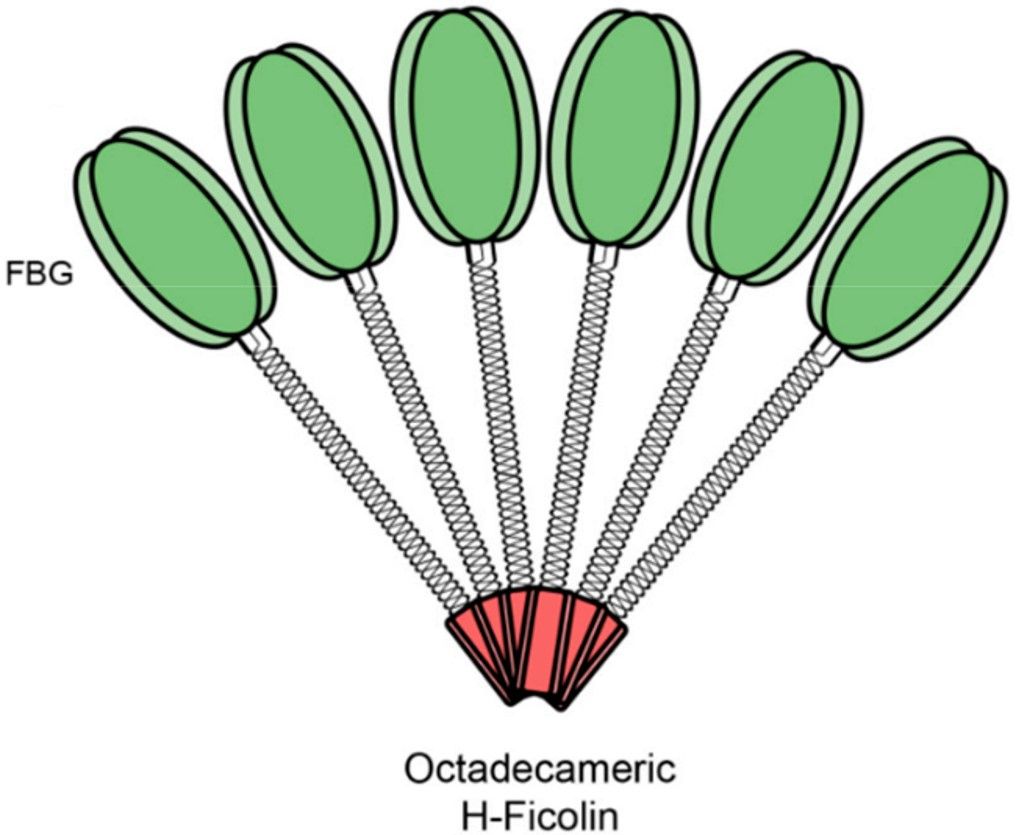 Fig.1 Active, oligomeric structures of H-ficolin (Ficolin-3).1, 3
Role of Ficolin-3 in the Lectin Pathway of Innate Immunity
Ficolin-3 is a crucial recognition molecule in the lectin pathway, bridging innate immune recognition with complement system activation for effective host defense. By interacting with microbial carbohydrates, Ficolin-3 activates the mannan-binding lectin (MBL)-associated serine proteases MASP-1 and MASP-2, like other ficolins. This activation triggers a cascade that clears complement proteins, such as C4 and C2, ultimately forming the C3 convertase (C4b2a) and initiating the complement cascade. Additionally, Ficolin-3 can interact with sMAP (small MBL-associated protein), which modulates its activity and enhances complement activation. Together, these interactions allow Ficolin-3 to contribute significantly to innate immune responses against pathogens by opsonizing microbes for phagocytosis, inducing inflammation, and promoting clearance of pathogens through complement-mediated mechanisms. Ficolin-3 also binds to apoptotic cells, promoting adherence and absorption by macrophages.
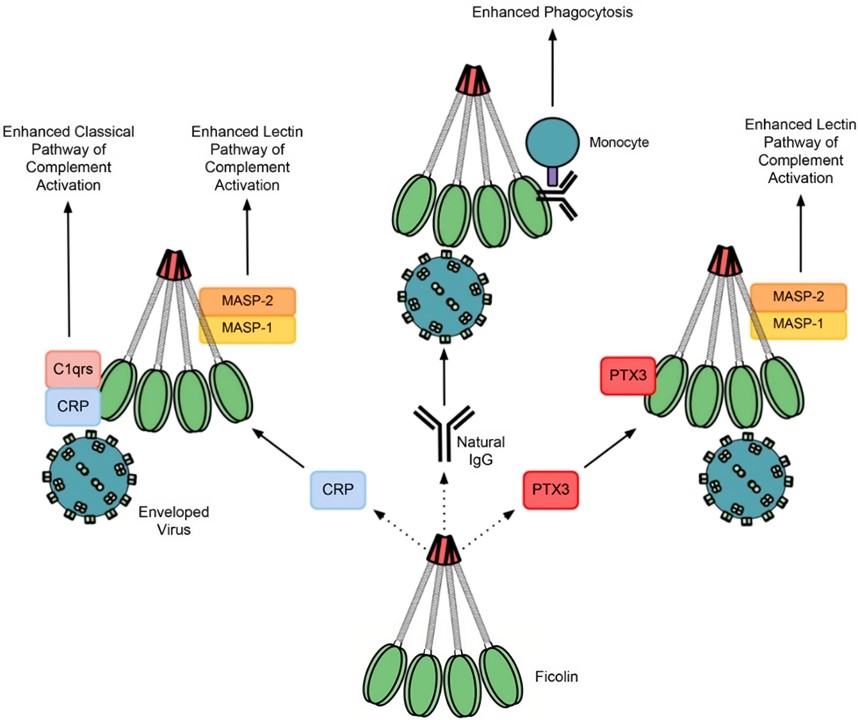 Fig.2 The cooperative antimicrobial relationships of ficolins with other immune proteins.1, 3
Ficolin-3 in Diseases
Deficiencies or abnormalities in Ficolin-3 have been associated with an increased susceptibility to infections, particularly respiratory and gastrointestinal diseases. High Ficolin-3 levels are also implicated in autoimmune disorders such as systemic lupus erythematosus (SLE), where dysregulated Ficolin-3 levels contribute to immune dysregulation and tissue damage. Moreover, the involvement of low Ficolin-3 levels in inflammatory conditions like rheumatoid arthritis suggests it may exacerbate joint inflammation through complement-mediated pathways. These insights underscore its dual role in immune defense and pathology, influencing various disease processes through complement activation and immune modulation.
Antibodies Targeting Ficolin-3
Ficolin-3 antibodies are crucial tools in research for detecting Ficolin-3 levels in various diseases. They enable the study of Ficolin-3's role in innate immunity and its implications in infections, autoimmune disorders, and inflammatory diseases. For example, Ficolin-3 antibodies detect Ficolin-3 levels in research contexts by identifying its presence in diseases like ovarian cancer and SLE. Their specificity in targeting Ficolin-3 protein variants supports precise detection and characterization, aiding disease diagnosis, prognosis, and understanding underlying mechanisms. They support the development of diagnostic tools and therapeutic strategies by elucidating the role of Ficolin-3 in various pathologies, enhancing basic research and clinical applications in disease detection and management.
Creative Biolabs offers high-quality anti-Ficolin-3 Isoform 2 monoclonal and polyclonal antibodies and related products for use in various model species, including humans and goats. Our products are used in common research applications: Western Blot and Elisa. You can click on each item to view full product details and choose the one most appropriate for your research.
Ficolin-3 Isoform 2 Functional Service
Creative Biolabs offers a wide selection of reagents linked to Ficolin-3 Isoform 2, including antibodies targeting this isoform. These products are proficient in identifying and monitoring interactions between antibody domains and the human Ficolin-3 Isoform 2 protein, positioning them as essential resources in research focused on formulating therapeutic approaches for disease management.
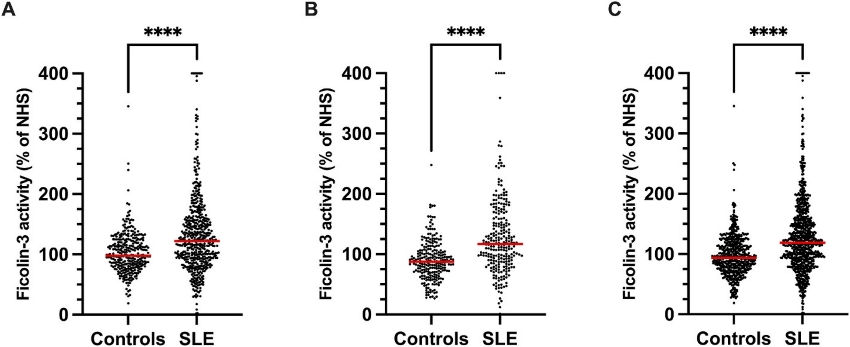 Fig.3 Ficolin-3 functionality in individuals with SLE.2, 3
Researchers have explored the significant role of the complement system in Systemic Lupus Erythematosus (SLE), an autoimmune disease marked by autoantibody production against nuclear antigens. Previous studies suggested that ficolin-3 deficiency could increase susceptibility to severe infections and SLE, akin to classical pathway deficiencies. This study conducted a detailed biochemical and genetic analysis of ficolin-3 to evaluate its impact on SLE risk and clinical manifestations, utilizing ELISA for ficolin-3 quantification in patients. Although a deficient state of ficolin-3 was identified in a few patients, genetic deficiency was not deemed a risk factor within White European populations. Instead, novel genetic variants influencing ficolin-3 activity were discovered, connecting ficolin-3 to specific hematological and autoantibody profiles in SLE patients.
Creative Biolabs delivers expert services concentrated on the functionality of Ficolin-3 Isoform 2, including detailed analysis of interaction dynamics and extensive functional evaluations. These offerings are meticulously crafted to cater to the unique demands of esteemed clients, thereby playing a crucial role in propelling both clinical and scientific research initiatives forward.
References
-
Mason, Christopher P., and Alexander W. Tarr. "Human lectins and their roles in viral infections." Molecules 20.2 (2015): 2229-2271.
-
Lindelöf, Linnea, et al. "A survey of ficolin-3 activity in Systemic Lupus Erythematosus reveals a link to hematological disease manifestations and autoantibody profile." Journal of Autoimmunity 143 (2024): 103166.
-
Distributed under Open Access license CC BY 4.0, without modification.


 INQUIRY
 Datasheet