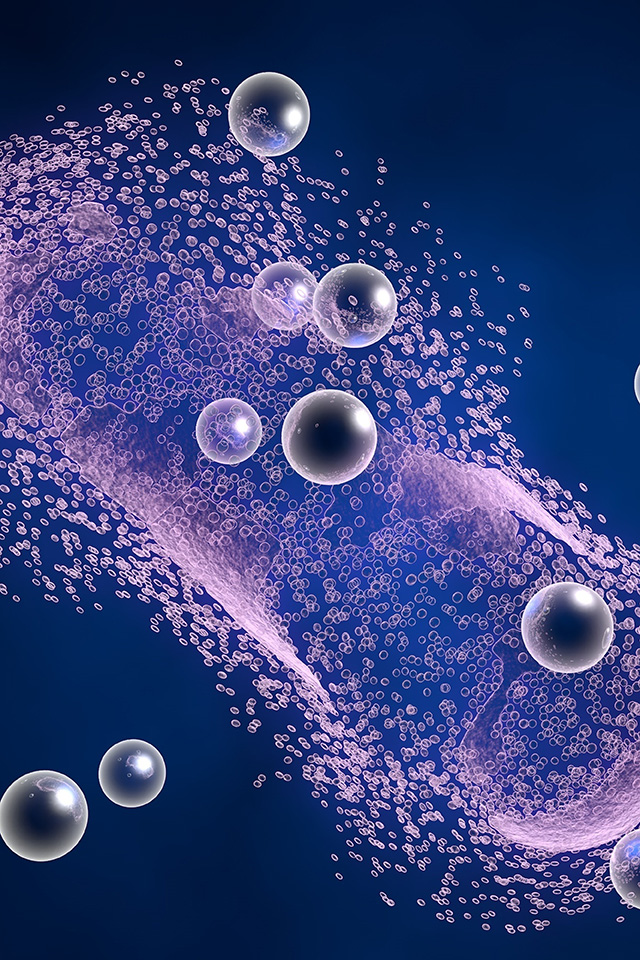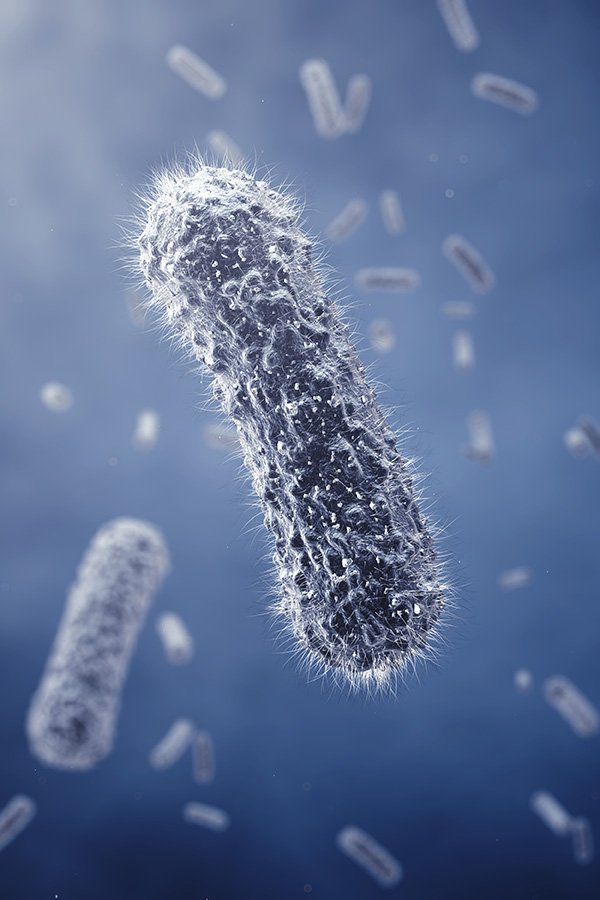

Pseudomonas aeruginosa (P. aeruginosa) is a ubiquitous, Gram negative opportunist that stands as a primary architect of nosocomial infections. It is particularly notorious for its role in the chronic pulmonary decline of cystic fibrosis patients and the life threatening sepsis observed in burn victims and the immunocompromised. Traditionally, the pathogenicity of this bacillus was attributed to its complex quorum sensing networks and a vast array of secreted toxins. However, recent breakthroughs have shifted focus toward bacterial exosomes in a translational context.
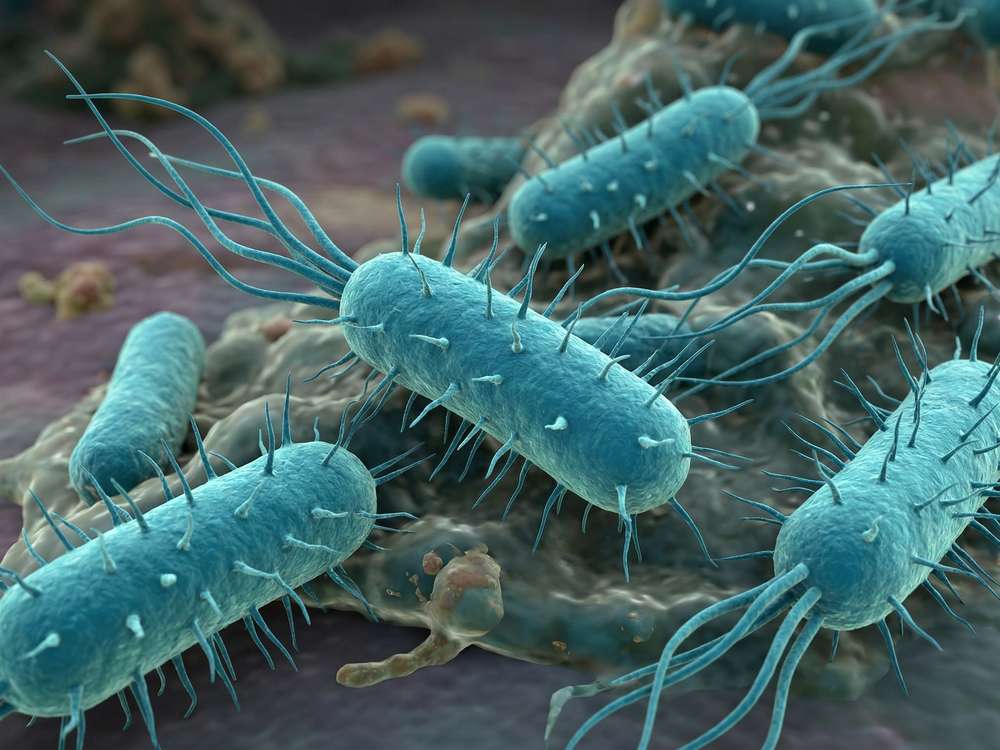
These nanoscale proteoliposomes function as sophisticated distal delivery systems, allowing the bacterium to interact with host cells without direct contact. By encapsulating concentrated payloads of virulence factors, enzymes, and regulatory small RNAs, P. aeruginosa can modulate host immunity, degrade biological barriers, and facilitate environmental adaptation. Investigating these nanocarriers is vital for understanding the persistence of chronic infections and the rapid dissemination of antibiotic resistance. Creative Biolabs supports the global scientific community in deciphering these complex vesicular interactions, offering a specialized platform to accelerate discoveries in pseudomonal pathogenesis and therapy.
Join Our Team to Resolve Host Pathogen Crosstalk.
The unique biochemical and structural properties of P. aeruginosa vesicles provide them with distinct advantages over soluble secretions. These features ensure that the pathogenic cargo reaches its destination in a functional and concentrated state.
| Feature | Pathobiological and Technical Utility |
|---|---|
| Bilayer Protection | Protects internal sRNAs and proteins from host RNases and proteases, maintaining cargo stability in the extracellular environment. |
| PQS Induction | The Pseudomonas quinolone signal (PQS) specifically induces high yield vesicle production, reflecting the bacterium's metabolic and quorum state. |
| Enzymatic Concentration | Sequesters matrix degrading enzymes (lipases, proteases) to facilitate biofilm dispersion and tissue invasion. |
| Surface Antigen Diversity | Displays native Lipopolysaccharides (LPS) and outer membrane proteins, making them potent innate immune activators. |
| Selective Packaging | Ability to selectively enrich specific sRNAs or toxins, allowing for specialized communication with host macrophages or neutrophils. |
Consult With Our Technical Leads to Architect Your Next Generation Vesicle Study.
Contemporary research has moved beyond cataloging the contents of P. aeruginosa vesicles to exploring their active roles in cellular signaling and bacterial defense. These vesicles are now recognized as essential mediators of both acute damage and chronic persistence.

Recent studies using Small RNA Seq have identified that P. aeruginosa vesicles are packed with specific bacterial small RNAs (sRNAs). These molecules are shielded within the vesicle interior and can enter host cells. Once internalized, they target host mRNAs to suppress innate immune response genes. This mechanism represents a sophisticated form of cross kingdom regulation, allowing the pathogen to silence host defenses from a distance.
Vesicles from P. aeruginosa are potent inducers of programmed cell death. In THP 1 cells, these nanocarriers have been shown to trigger autophagy regulated pyroptosis. By modulating inflammatory pathways, Vesicles from P. aeruginosa influence the balance between host defense and tissue damage. Understanding this axis is critical for developing strategies to mitigate the severe inflammatory injury seen in Pseudomonas induced pneumonia and sepsis.
Biofilms represent a major hurdle in treating P. aeruginosa infections. Research indicates that PQS induced vesicles are highly dynamic during biofilm development. Notably, their production peaks during the dispersion stage. These vesicles carry matrix degrading enzymes that facilitate the escape of bacteria from the sessile community, contributing to the spread of infection to new sites.
In a remarkable display of bacterial "decoy" strategy, P. aeruginosa utilizes its vesicles to adsorb bacteriophages. By acting as passive decoys, the vesicles sequester phages before they can reach the parent bacterial cells, providing a protective barrier that ensures population survival against viral predation.
Work With Our Experts to Uncover Novel Virulence Mechanisms.
The very features that make P. aeruginosa vesicles formidable pathogenic tools also make them promising candidates for therapeutic innovation. Their natural immunogenicity and delivery capabilities open several avenues for clinical application.
Because these nanocarriers naturally display a repertoire of pseudomonal antigens, they are being developed as acellular vaccines. In mouse burn models, immunization with purified vesicles has been shown to reduce bacterial load and inflammatory cell infiltration, especially when combined with molecular adjuvants like diphtheria toxin.
Exosomes derived from specific conditions, such as X ray irradiated bacteria, have demonstrated a remarkable ability to alleviate lung injury and sepsis. These modified vesicles enhance the bactericidal activity of host macrophages and neutrophils without causing damage themselves, offering a novel "biotherapeutic" approach.
The lipid scaffold of the vesicle allows for the encapsulation of antibiotics or inhibitory RNAs. By leveraging the natural tropism of these vesicles for lung tissues, researchers can deliver high local concentrations of medication directly to the site of infection, potentially overcoming multidrug resistance.
Understanding the anti phage role of vesicles allows for the design of improved phage therapies that can bypass these decoys. Additionally, the immunogenic proteins identified within vesicles are primary targets for developing therapeutic monoclonal antibodies.
Engage With Our Specialists to Transform Microbial Vesicles.
Creative Biolabs offers a sophisticated suite of services designed to address the complexities of Pseudomonas research. Our infrastructure ensures high purity yields and detailed molecular characterization for every project.


Discuss Your Experimental Design with Our Leads Today.
Recognizing that many laboratories require standardized materials to accelerate their findings, we offer customized production of P. aeruginosa derived nanocarriers.
Collaborate With Our Leads to Begin Basic Vesicle Research
A: The lipid bilayer of the vesicle provides a robust physical barrier. This architecture protects the internal cargo from host derived proteases and RNases, ensuring that the virulence factors remain functional until they reach their target cells.
A: Yes. The presence of bacterial sRNAs within these vesicles that target human mRNAs is a classic example of cross kingdom regulation. We provide specialized sRNA sequencing and target prediction services to help you explore these interactions.
A: Certain antibiotics trigger a stress response in P. aeruginosa that increases the production of the PQS molecule, which in turn facilitates the blebbing of the outer membrane. This can lead to a sudden surge in vesicle mediated inflammatory signaling.
Connect With Our Scientific Team to Start Your Next Discovery.