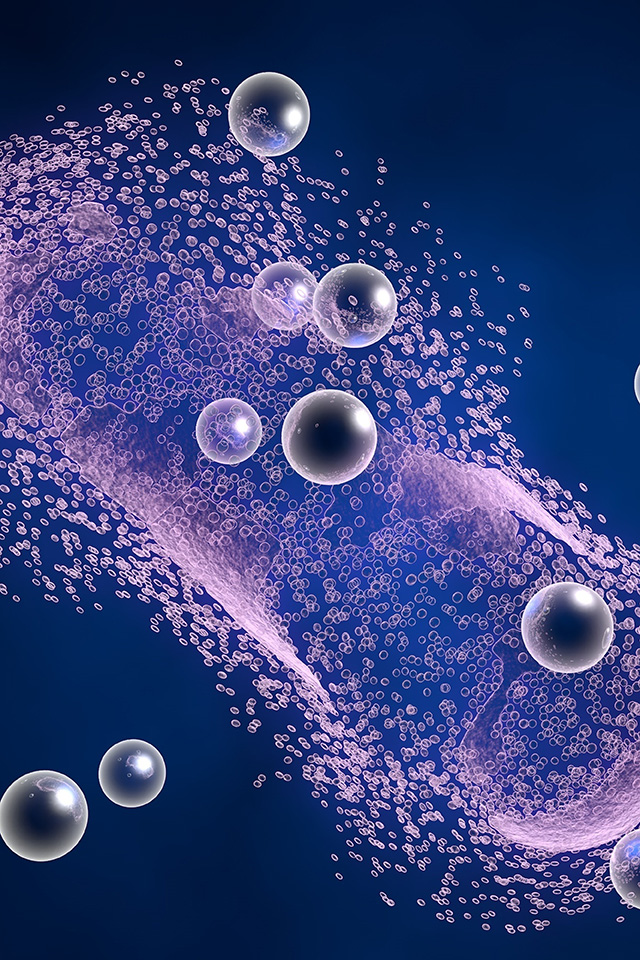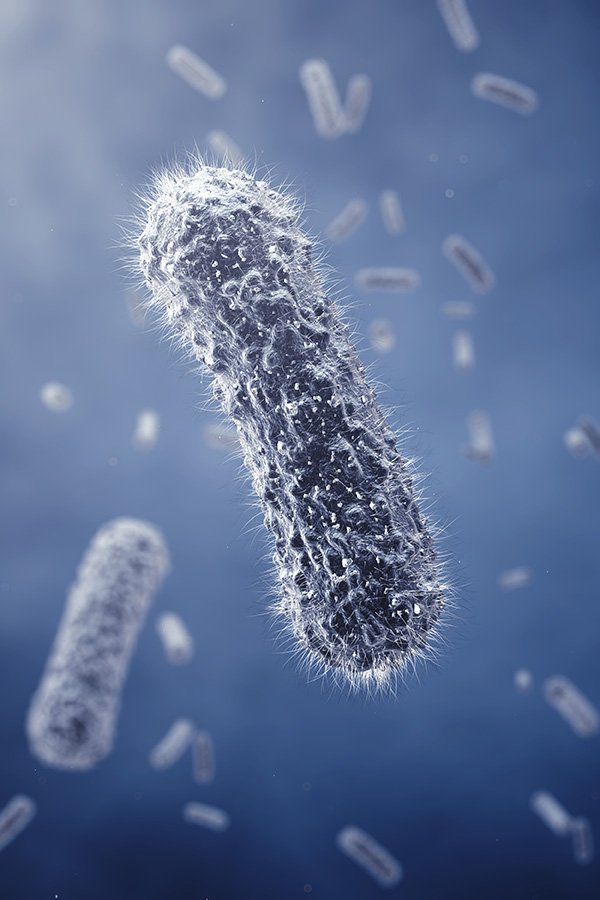

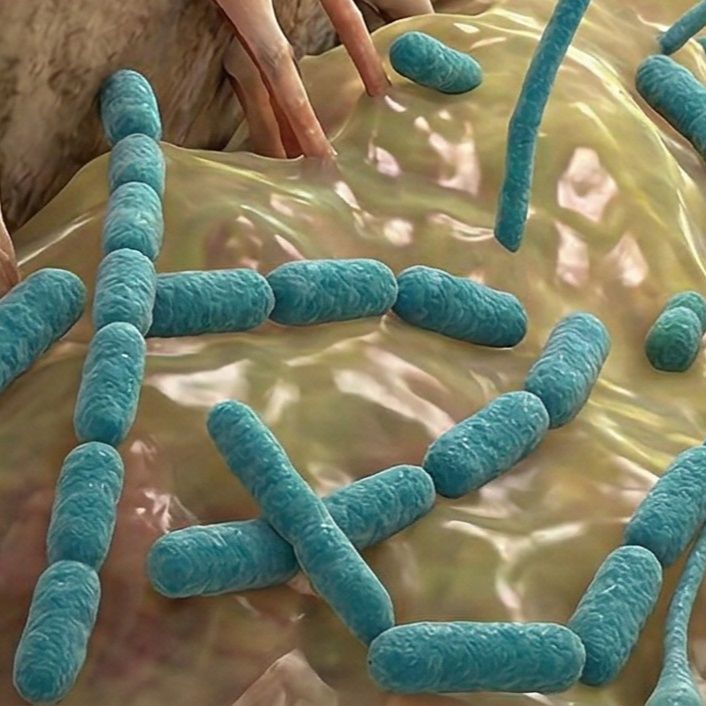
Porphyromonas gingivalis (P. gingivalis), a non motile, Gram negative anaerobe, is widely recognized as the keystone pathogen in chronic periodontitis. Beyond its primary residence in the subgingival biofilm, this bacterium exerts profound influence on systemic physiology by deploying nanoscale, membrane bound structures known as exosomes. In contemporary molecular biology, these bacterial secretions are increasingly categorized as microbial exosomes due to their striking structural and functional parallels with eukaryotic extracellular vesicles.
Investigating these nanocarriers is vital because they represent a sophisticated, cell free mechanism of virulence. Unlike the parent bacterium, which may be restricted by physical barriers or the host immune system, these vesicles act as distal delivery vehicles. They encapsulate a potent cargo of proteases, lipids, and genetic material, allowing the pathogen to modulate host responses at sites far removed from the oral cavity. By deciphering the biogenesis and systemic dissemination of these vesicles, researchers can better understand the perplexing link between oral health and debilitating conditions such as neurodegeneration, metabolic dysfunction, and adverse pregnancy outcomes. Align with our scientific team to decode the molecular signatures of these bacterial messengers.
Partner With Our Scientists to Decode Systemic Pathogenic Pathways.
The biological efficacy of P. gingivalis vesicles is a direct result of their unique structural composition and biochemical stability. These traits allow them to bypass traditional host defenses and deliver concentrated pathogenic signals.
| Feature | Biological and Research Utility |
|---|---|
| Bilayer Protection | Protects internal nucleic acids and enzymes from degradation by host proteases and environmental stressors. |
| Enriched Gingipains | Concentrates cysteine proteases (Rgp and Kgp) on the vesicle surface, facilitating tissue degradation and immune evasion. |
| Small RNA Delivery | Transports microRNAs that can directly alter host gene methylation and expression. |
| Tissue Penetration | Their nanoscale dimensions enable translocation across the blood brain barrier and the placental interface. |
| TLR Activation | Abundant lipopolysaccharides (LPS) and lipoproteins act as potent innate immune activators across various cell types. |
Consult With Our Experts to Discovery These Distinctive Traits for Your Specific Research Objectives.
Recent studies have shown that P. gingivalis vesicles are not just waste products of metabolism; they are used on purpose to change the host. Their functions range from localised tissue damage to intricate systemic diseases.
In the mouth, these vesicles are the main cause of alveolar bone loss. Human periodontal ligament cells take them in, and certain small RNAs. This interaction causes p53 DNA methylation, which leads to cell death. These nanocarriers also cause ferroptosis in bone marrow mesenchymal stem cells through the Hippo-YAP signalling pathway, which stops bone regeneration.
The connection between periodontitis and Alzheimer's Disease (AD) has become more important. These vesicles can get through the blood-brain barrier better than the bacteria themselves. Once they get into the CNS, they: Start the NLRP3 inflammasome by activating microglia and astrocytes. • Boost the production of proinflammatory cytokines such as IL1β and TNFα; Encourage the phosphorylation of Tau protein at the Thr231 site, which is a sign of AD pathology.
These vesicles make insulin resistance and problems with glucose metabolism worse. They cause systemic low-grade inflammation that makes arthritis and heart health worse by bringing LPS and proteases into the bloodstream. In the context of pregnancy, they have been demonstrated to accumulate in the placenta, hindering trophoblast migration and nutrient delivery, potentially resulting in foetal growth restriction.
New studies show that P. gingivalis vesicles help oral squamous cell carcinoma avoid the immune system. By shutting down the cGAS-STING signalling pathway, they stop the production of IFNβ. This makes it harder for natural killer cells to get to the tumour microenvironment and speeds up the growth of cancer.
Work With Our Experts to Investigate Exosomes.
These vesicles are strong disease-causing agents, but their unique properties also open up many new ways to create new therapies and tests.




Talk To Our Experts to Find Out How These Microbes Could Be Used in Translation.
Creative Biolabs offers a sophisticated suite of services tailored to the complexities of microbial extracellular vesicle research. Our end to end solutions ensure that your study meets the highest standards of scientific rigor.

We utilize advanced ultracentrifugation and size exclusion chromatography to obtain high yield, high purity vesicles. Every batch is verified using nanoparticle tracking analysis (NTA) and transmission electron microscope (TEM).
Our team provides detailed profiling of the vesicle contents, including proteomics and RNA sequencing to map the small RNA landscape.
Identification of the specific host receptors (e.g., TLRs, integrins) and signaling cascades activated by the vesicles.
Analyzing how P. gingivalis vesicles influence the oral microbiome and interspecies communication.
Discuss Your Experimental Design with Our Analytical Leads Today.
To accelerate your findings, we offer a range of customized production services that provide standardized and modified vesicle preparations.
Collaborate With Us to Engineer High Performance Delivery Systems.
A: We offer customized loading services. You can encapsulate small molecule inhibitors, siRNA, or specialized dyes into the vesicles. This is a powerful way to study targeted delivery or to track the movement of the vesicles across biological barriers like the blood brain barrier in real time.
A: These nanocarriers are designed by nature to deliver their cargo into the host cell cytoplasm or even the nucleus. Our imaging services, such as confocal microscopy and TEM, can help you visualize the entire process—from the initial binding at the cell membrane to the intracellular release of their pathogenic proteins and RNA.
A: We have optimized our mass spectrometry pipelines to work with relatively small amounts of material. Typically, a few hundred microliter of purified vesicles are sufficient for a deep dive into the protein landscape. If your yield is low, our enrichment technologies can help concentrate the sample to ensure high quality data.
A: Our purified vesicles are ready for in vivo use. We ensure they are suspended in biocompatible buffers like PBS and are free of toxic levels of free LPS or live bacteria. This makes them ideal for tail vein injections, oral gavage, or local gingival injections in murine models to study systemic or local disease progression.
Connect With Our Scientific Team to Begin Your Next Discovery.