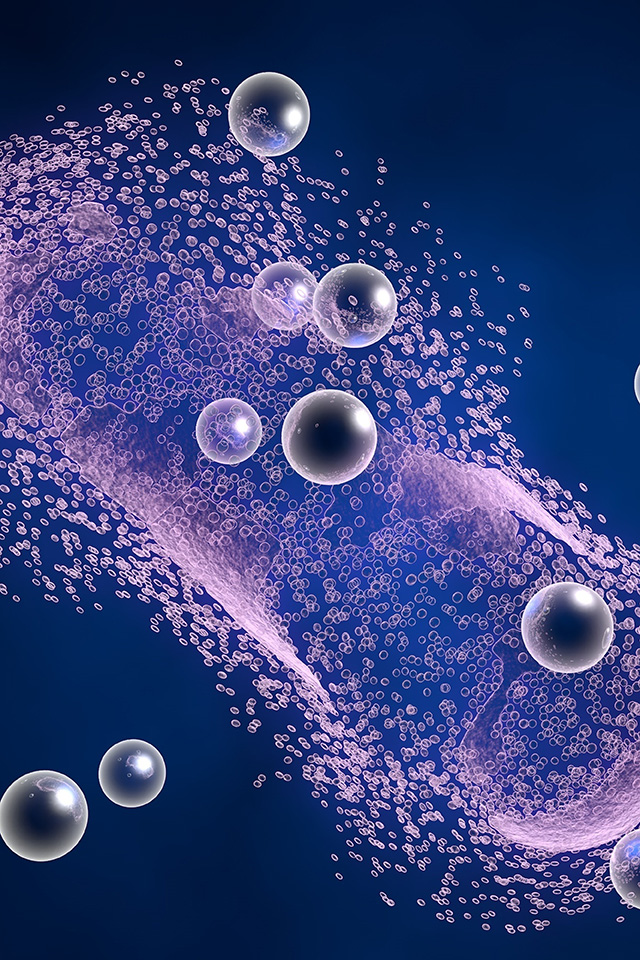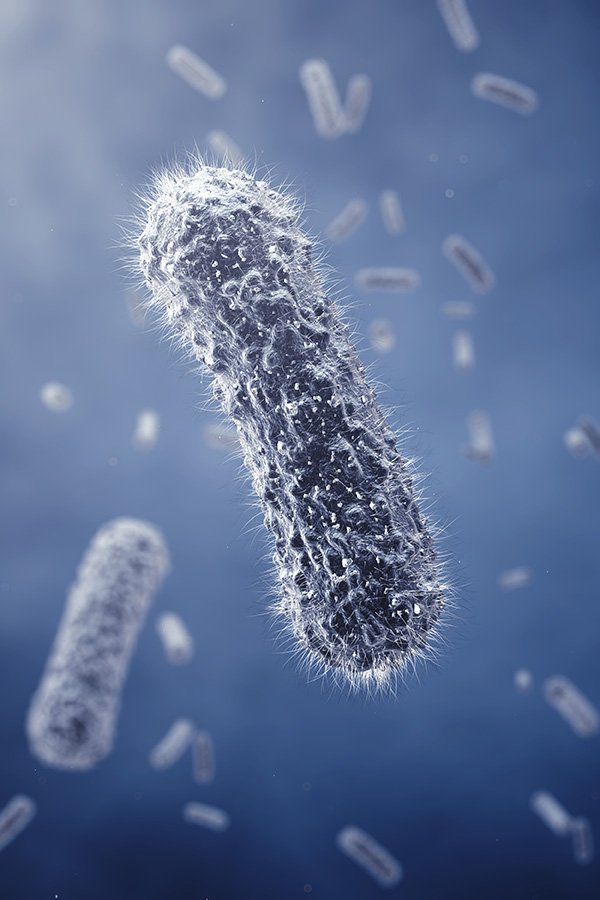

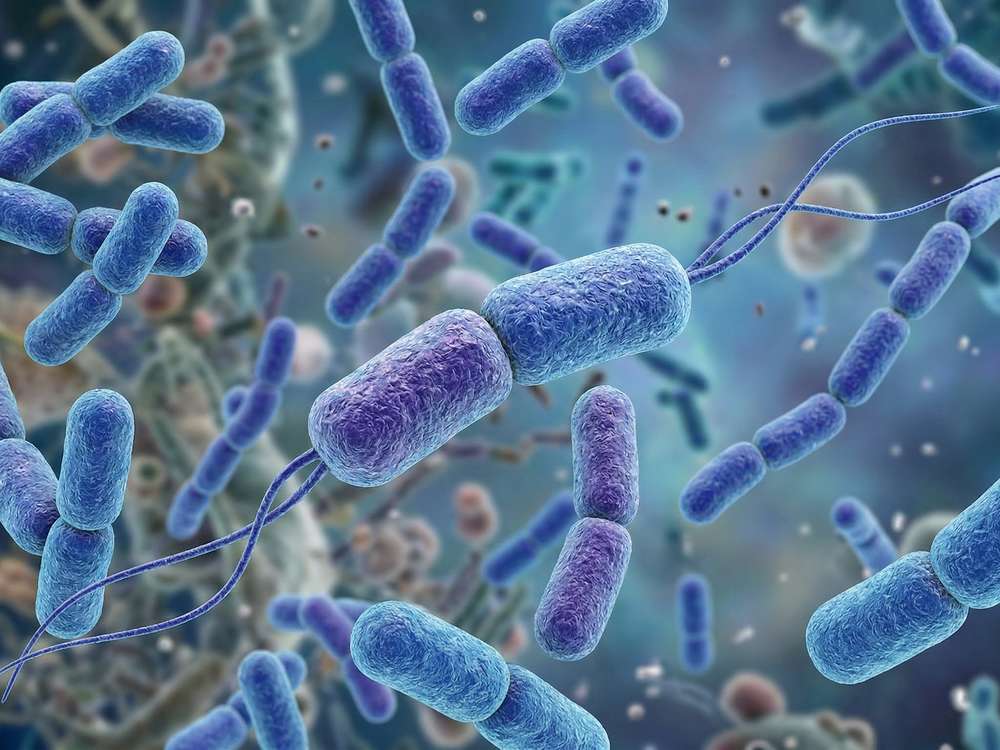
Burkholderia thailandensis (B. thailandensis), an oxidase positive, Gram negative motile rod, occupies a unique niche in microbial research. While closely related to the highly pathogenic Burkholderia pseudomallei and Burkholderia mallei, B. thailandensis is generally recognized as non pathogenic to humans, thriving primarily in acidic soil environments. This distinct safety profile, combined with its sophisticated secretome, has positioned it as a primary model for studying bacterial competition and secondary metabolite delivery. Central to these processes are bacterial exosomes which act as specialized nanocarriers for a diverse array of bioactive compounds.
Investigating these vesicles is critical because they represent a concentrated, acellular extension of the bacterial arsenal. Unlike soluble secretions that may dissipate in complex environments, these nanocarriers encapsulate antimicrobial agents, protecting them from degradation and ensuring targeted delivery to competitors. By deciphering the biogenesis and functional repertoire of B. thailandensis derived vesicles, researchers can uncover novel mechanisms for disrupting resilient biofilms and overcoming multidrug resistance. Creative Biolabs supports the global scientific community in harnessing these biological nanoparticles to address the growing crisis of antibiotic refractory infections. Partner with our scientists to decode the molecular signatures of these bacterial messengers.
Reach Out to Our Scientific Team to Integrate into Your Current Research Pipeline.
The usefulness of B. thailandensis vesicles in biomedical research comes from the fact that they are structurally sound and have certain biochemical benefits over standard treatments.
 Low Immunogenicity
Because they come from a non-pathogenic species, these vesicles may not cause the strong inflammatory responses that virulent strains do.
Protection for Enriched Cargo
The lipid bilayer protects internal peptidoglycan hydrolases and unstable metabolites from things that stress them out in the environment.
Very strong penetrating power
Their nanoscale size lets them get into thick extracellular polymeric substances (EPS) that are found in mature biofilms.
Synergistic Delivery
Naturally contains several types of antimicrobials, such as quinolones and rhamnolipids, which makes it possible to use multiple therapeutic strategies.
Talk To Our Technical Leads About How to Plan Your Next Generation Vesicle Study.
Recent scientific investigations have redirected attention to the function of B. thailandensis vesicles in interspecies conflict and environmental adaptation. These studies show that the vesicles are used in a planned way to get rid of competitors and change the structure of microbial communities.
Studies show that these nanocarriers have strong effects on a wide range of pathogens that are sensitive to drugs and those that are not. This activity is due to a complex payload that contains Peptidoglycan Hydrolases (enzymes that directly attack the cell walls of competing bacteria), a specific secondary metabolite that has been shown to kill bacteria, and Long Chain Rhamnolipids (biosurfactants that break down the structure of competitor membranes).
One of the most exciting new areas of research is how these vesicles can break up biofilms. In research concerning Streptococcus mutans, a principal oral pathogen, administration of B. thailandensis vesicles led to a substantial decrease in biofilm biomass and structural integrity. This anti-biofilm activity includes both heat-labile (enzymatic) and heat-stable (metabolic) parts, which suggests that it works in a strong and complex way. These vesicles expose bacteria that have been hidden from host immune cells and outside antibiotics by breaking down the extracellular matrix.
Evidence indicates that these nanoparticles may function as force multipliers for current clinical therapies. When given with aminoglycosides like gentamicin, B. thailandensis vesicles make the bactericidal effect stronger against S. mutans populations that are hard to kill. This synergy could be a model for combined therapies in which vesicles help antibiotics get into microbial niches that would otherwise be hard to reach.
The inherent antimicrobial and anti biofilm properties of B. thailandensis vesicles offer several innovative avenues for clinical and industrial application.
These vesicles have shown efficacy against Methicillin resistant Staphylococcus aureus, providing a natural alternative to traditional antibiotics that have lost their effectiveness.
Given their success in disrupting S. mutans biofilms, these nanocarriers could be integrated into next generation mouthwashes or dental coatings to prevent plaque formation and dental caries.
In chronic wound infections where biofilms prevent healing, topically applied vesicles may serve as potent agents to degrade the protective matrix and eliminate persistent bacterial reservoirs.
Their ability to inhibit various fungi and bacteria makes them candidates for eco friendly bio pesticides, leveraging natural competition mechanisms to protect crops without the use of harsh synthetic chemicals.
Engage With Our Specialists to Transform Microbial Vesicles.
Creative Biolabs offers a sophisticated suite of services designed to handle the complexities of Burkholderia research, ensuring ultrapure yields and detailed molecular characterization.
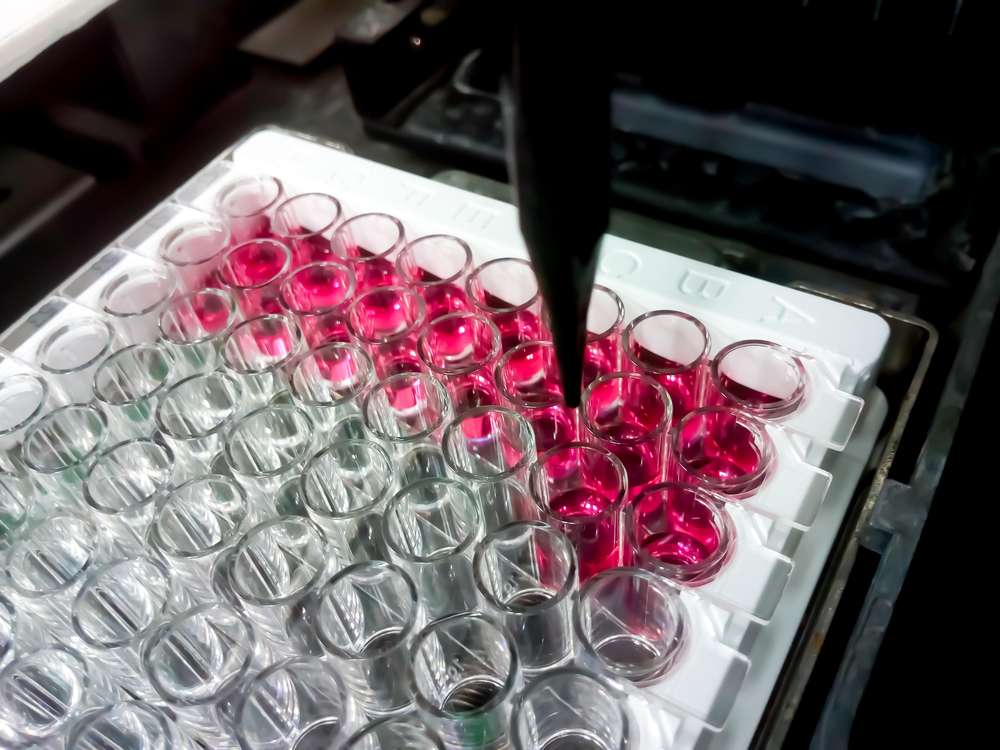
We utilize optimized ultracentrifugation and size exclusion chromatography to obtain highly purified vesicles. Verification is performed via nanoparticle tracking analysis and transmission electron microscope to ensure size consistency and morphological integrity.
Our team provides deep exploration into the vesicle cargo, utilizing mass spectrometry based proteomics and lipidomic profiling to identify antimicrobial compounds.
We conduct rigorous studies to evaluate the biological impact of vesicles, ranging from minimum inhibitory concentration (MIC) assays to complex biofilm disruption models and animal infection studies.
Identification of the specific host cell receptors and microbial targets activated or inhibited by these vesicles, providing a clear map of their mechanism of action.
Discuss Your Experimental Design with Our Leads Today.
Recognizing that every laboratory has unique requirements, we offer customized production of B. thailandensis derived nanocarriers to accelerate your findings.

Collaborate With Us to Engineer High Performance Delivery Systems.
A: We recommend storage at -80℃ to preserve the integrity of both the membrane and the encapsulated enzymes. Our stability studies show that properly stored vesicles retain their functional potency for several months.
A: We offer specialized loading protocols that allow you to encapsulate a variety of compounds into the vesicle scaffold, utilizing the natural targeting abilities of these bio nanoparticles for your specific therapeutic goals.
A: Yes. Unlike its highly pathogenic relatives like B. pseudomallei, B. thailandensis is generally non pathogenic to healthy humans and is typically handled under Biosafety Level 2 conditions, making it an ideal model for vesicle research.
Connect With Our Analytical Team to Begin Your Discovery.