Stem Cell-derived Exosome Advantage and Application
- Regulating Macrophage
Introduction Applications Services FAQs
Effect of Stem Cell-Derived Exosome (SC-Exo) on Macrophages (MΦ)
Macrophages (MΦ) are key players in our body's first-line defense system, acting as both immune sentinels and healers. These versatile cells can switch between different activation states—typically categorized as pro-inflammatory M1 or anti-inflammatory M2—depending on signals from their microenvironment. This plasticity makes them crucial in managing inflammation and promoting tissue repair.
M1 macrophages can kill microorganisms and remove debris, promote inflammation. These inflammatory factors can also induce apoptosis of macrophages.
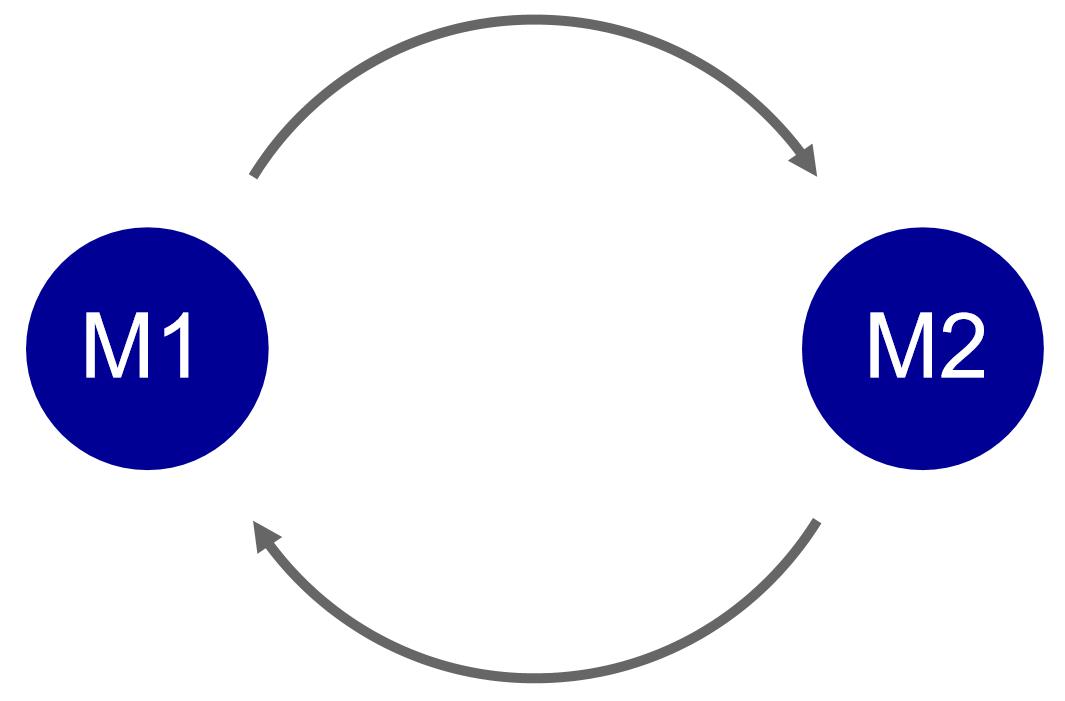 Fig.1 Dynamically switching between these pro-inflammatory (M1) and anti-inflammatory (M2).
M2 macrophages can suppress inflammation and promote wound healing, which is conducive to tissue repair and regeneration.
Recent research highlights an exciting discovery: stem cell-derived exosomes (SC-Exos) can actively guide MΦ toward the restorative M2 state in various disease settings. This shift not only dials down harmful inflammation but also kickstarts repair processes. Scientists believe this reprogramming happens through biological "cargo" inside SC-Exos—miRNAs, proteins, and other signaling molecules—though we're still unraveling the exact mechanisms. To aid in this type of research, Creative Biolabs provides exosome isolation services (such as animal cell-derived, body fluid-derived), exosome purification (via ultracentrifugation, SEC, and immunoaffinity), exosome characterization (including nanoparticle tracking analysis, Western blotting, and mass spectrometry) and SC-Exo mediated regulation of MΦ research services in vitro and in vivo.
What's particularly fascinating is how SC-Exos naturally package immune-modulating molecules—certain miRNAs and cytokines appear to be key players in macrophage reprogramming. Our specialized services like exosomal miRNA sequencing and exosomal cytokine profiling services help researchers identify these active components. For deeper investigation, our exosome proteomics services can pinpoint specific proteins that drive these therapeutic effects.
 Fig.2 Exosomes derived from MSCs carry a complex cargo.1
Application of SC-Exo in Regulating MΦ
At Creative Biolabs, we're tapping into the natural healing power of stem cell exosomes to develop next-generation treatments for inflammatory conditions and tissue regeneration. Our secret weapon? Mastering macrophage regulation through carefully engineered SC-Exos.
We help researchers supercharge these tiny therapeutic carriers with customized exosome engineering services, including exosome labeling services, such as fluorescent label and biotinylation, as well as disease-targeted exosome modification services (e.g., lung-targeted, kidney-targeted, and tumor-targeted exosome modification services). These smart engineering solutions transform SC-Exos from natural messengers into precision-guided therapeutics, opening new possibilities for treating stubborn inflammatory diseases and promoting tissue repair where it's needed most.
|
Disease type
|
Application
|
|
Inflammatory disease
|
In various preclinical models of inflammatory diseases—such as rheumatoid arthritis, multiple sclerosis, and colitis—SC-Exos have demonstrated the ability to ease inflammation, largely by shifting MΦ toward an anti-inflammatory M2 phenotype.
|
|
Tissue damage
|
Beyond inflammation, SC-Exos have also shown promise in supporting tissue repair. In injury models affecting organs like the heart and liver, they appear to aid recovery by fine-tuning MΦ activity, promoting a regenerative environment rather than a pro-inflammatory one.
|
|
Autoimmune disease
|
Interestingly, SC-Exos have also been linked to the induction of immune tolerance. By modulating how MΦ behave, they help temper overactive immune responses—a mechanism that holds therapeutic potential for autoimmune disorders such as systemic lupus erythematosus and type 1 diabetes.
|
|
Cancer
|
In cancer-related studies, SC-Exos have been used to reprogram MΦ in the tumor microenvironment, encouraging them to adopt a phenotype that enhances antitumor immunity. This opens new possibilities for their use as adjuncts in cancer immunotherapy.
|
SC-Exo Regulates MΦ Research at Creative Biolabs
At Creative Biolabs, we offer a comprehensive suite of technical services to support your research into the regulatory roles of SC-Exo on MΦ function. Our customizable platform ensures scientifically sound, efficient, and cost-effective solutions tailored to your needs.
|
Service Offered
|
What You Gain
|
|
Customized project planning and budgeting
|
A fully tailored experimental strategy and transparent, cost-effective service workflow.
|
|
SC-Exo extraction and identification
|
Detailed exosome profiling based on NTA, TEM, and Western blot for validation of size, morphology, and marker expression.
|
|
Multi-omics analysis (NGS, proteomics, lipidomics and metabolomics)
|
Comprehensive molecular signatures of SC-Exos or MΦ after treatment, enabling insight into regulatory pathways and functional changes.
|
|
SC-Exo content profiling
|
In-depth assessment of key molecular components within SC-Exos under suitable reference.
|
|
SC-Exo modification
|
Generation of functionally optimized SC-Exos with enhanced biological activity for downstream applications.
|
|
In vitro functional assays
|
Insight into how SC-Exos influence MΦ behavior in a controlled setting, including phenotype shifts and key signaling mechanisms.
|
|
In vivo efficacy studies
|
Data on how SC-Exos affect MΦ responses in living models, along with therapeutic potential under specific administration mode.
|
Stem cell-derived exosomes (SC-Exos) have shown considerable potential in influencing macrophage behavior and offer new opportunities for the treatment of a wide range of immune-related and inflammatory conditions. While early findings are encouraging, more research is still needed to fully elucidate the underlying mechanisms by which SC-Exos modulate MΦ activity, as well as to refine their application in clinical settings.
To support these efforts, Creative Biolabs offers a full range of technical services—from SC-Exo isolation and functional characterization to large-scale production—to help researchers dive deeper into the macrophage-regulating effects of SC-Exos. Our platform enables you to uncover the molecular pathways involved, evaluate therapeutic efficacy, and assess the feasibility of applying SC-Exos in disease intervention strategies.
If you're currently exploring how SC-Exos influence immune cell function or planning to develop macrophage-targeted therapeutics, we invite you to contact us. Share your research goals with us, and we'll work with you to design a tailored solution that meets your scientific and translational needs.
FAQs
Q: Why are SC-Exos considered promising tools for macrophage-related disease therapies?
A: SC-Exos offer cell-free, immunomodulatory capabilities with low immunogenicity and high biocompatibility. Most studies have found that they can reprogram macrophage responses in disease contexts such as chronic inflammation, autoimmune disorders, tissue injury, and even cancer.
Q: Can Creative Biolabs help with SC-Exo isolation and quality control?
A: Absolutely. We provide high-efficiency SC-Exo extraction using ultracentrifugation, size exclusion chromatography, or ultrafiltration-based methods, along with comprehensive characterization through NTA, TEM, and Western blot to ensure high purity and functionality.
Q: What types of macrophage-related functional studies do you support?
A: We offer in vitro assays to assess macrophage polarization (M1/M2), cytokine secretion, phagocytic activity, and gene expression changes, as well as in vivo models to evaluate SC-Exo-induced effects on inflammation, immune tolerance, and tissue repair.
Q: How can SC-Exo be modified to enhance its regulatory effects on macrophages?
A: Creative Biolabs supports SC-Exo engineering, including surface modification, nucleic acid or drug loading, and targeting ligand incorporation, to improve macrophage-specific delivery and therapeutic outcomes.
Reference
-
Liang, Ze-Yan, et al. "Mesenchymal stem cell-derived exosomal miRNAs promote M2 macrophages polarization: therapeutic opportunities for spinal cord injury." Frontiers in Molecular Neuroscience 15 (2022): 926928. Distributed under Open Access license CC BY 4.0, without modification.
For Research Use Only. Cannot be used by patients.
Related Services: