Product List Background CD63 Aptamer Analysis
Background
CD63, a cell surface glycoprotein, interacts with integrins and facilitates signal transduction, thereby influencing cell growth, activation, and development. CD63 may act as a blood platelet activation marker and is involved in intracellular vesicular transport, which is essential for the proper trafficking of the PMEL luminal domain and is necessary for melanocyte development and maturation. Deficiency in CD63 is linked to Hermansky-Pudlak syndrome and has also been associated with tumor progression.
Its Gene ID: 967, UniProtKB ID: P08962, and OMIM ID: 155740.
Signaling Pathways that CD63 Participates in
CD63 functions as a cell surface receptor for TIMP1, promoting the activation of cellular signaling cascades, including ITGB1 and integrin pathways, which in turn activate AKT, FAK/PTK2, and MAP kinases. This process enhances cell survival, actin cytoskeleton reorganization, adhesion, spreading, and migration. Additionally, CD63 regulates VEGFA signaling by controlling KDR/VEGFR2 internalization. TIMP-1 associates with CD63 and β1-integrin on melanoma cells to form a supramolecular complex, promoting anoikis resistance and survival through PI3K pathway activation. This complex also activates NF-κB and ERK pathways, contributing to melanoma's treatment resistance and offering insights for developing effective therapeutic strategies.
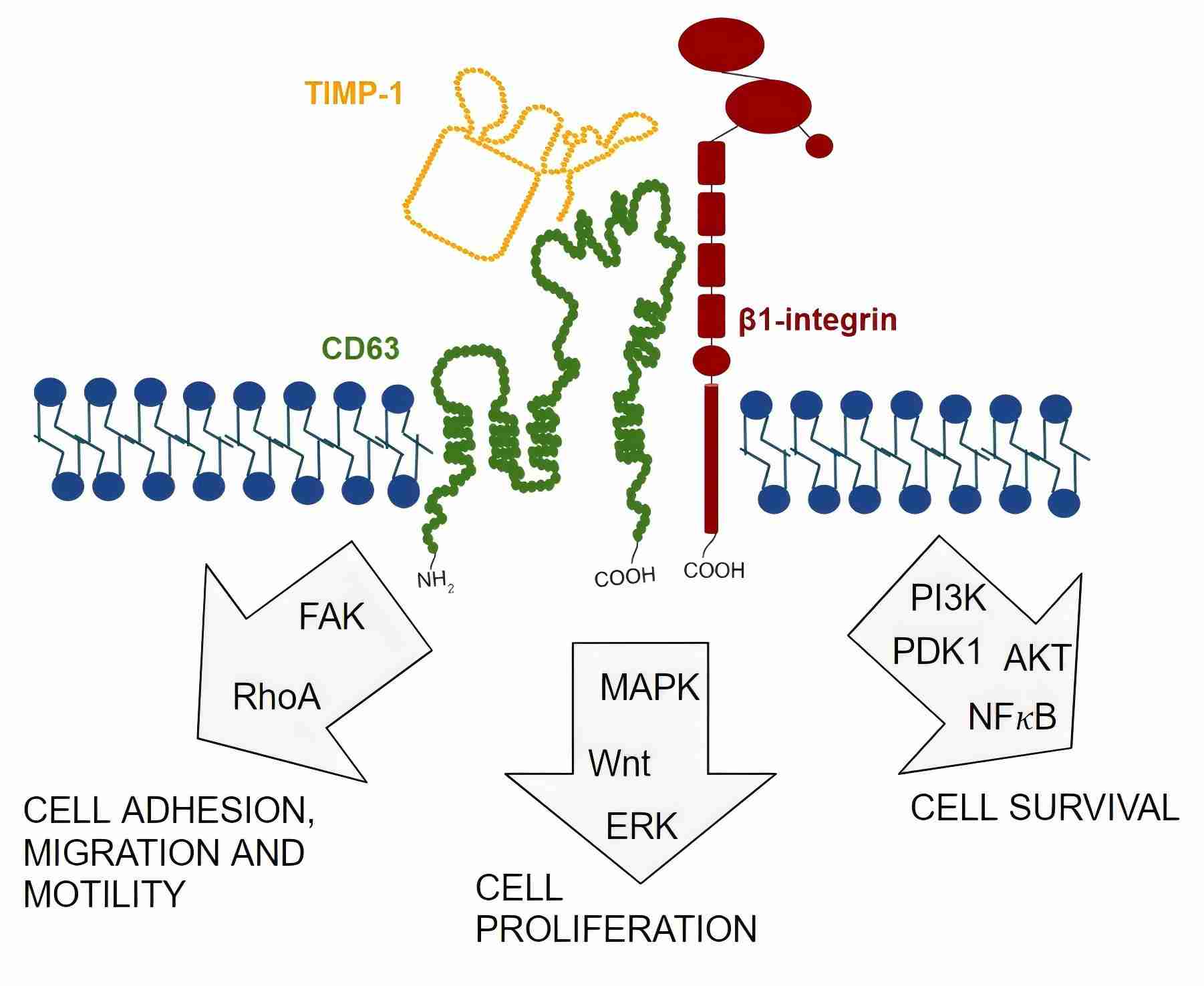 Fig.1 Intracellular signaling pathways activated by the TIMP-1/CD63/β1-integrin supramolecular complex.1,3
Utilization of CD63-Associated Products
Novel DNA Aptamers for CD63 with Implications for Cancer Detection and Exosome Isolation
CD63 is implicated in the malignancy regulation of various cancers, including melanoma and breast cancer, and serves as a potential cancer detection marker. Its role as a classic exosome marker has also been highlighted. This study identifies two DNA aptamers with high affinity and specificity for CD63 using a magnetic bead-based competitive SELEX procedure. One anti-CD63 aptamer demonstrates efficient binding to CD63-positive cells, including breast cancer and CD63-overexpressing HEK293T cells, with medium binding affinity as measured by flow cytometry. The CD63-1 aptamer shows comparable diagnostic efficacy to commercial antibodies in immunostaining assays on clinical breast cancer biopsies. A magnetic bead-based exosome immunoaffinity separation system using the CD63 aptamer has effectively isolated exosomes from MDA-MB-231 and HT29 cell culture media. These findings indicate that the developed aptamers could be instrumental in isolating native exosomes from clinical samples and hold potential for various theranostic applications in CD63-positive cancers.
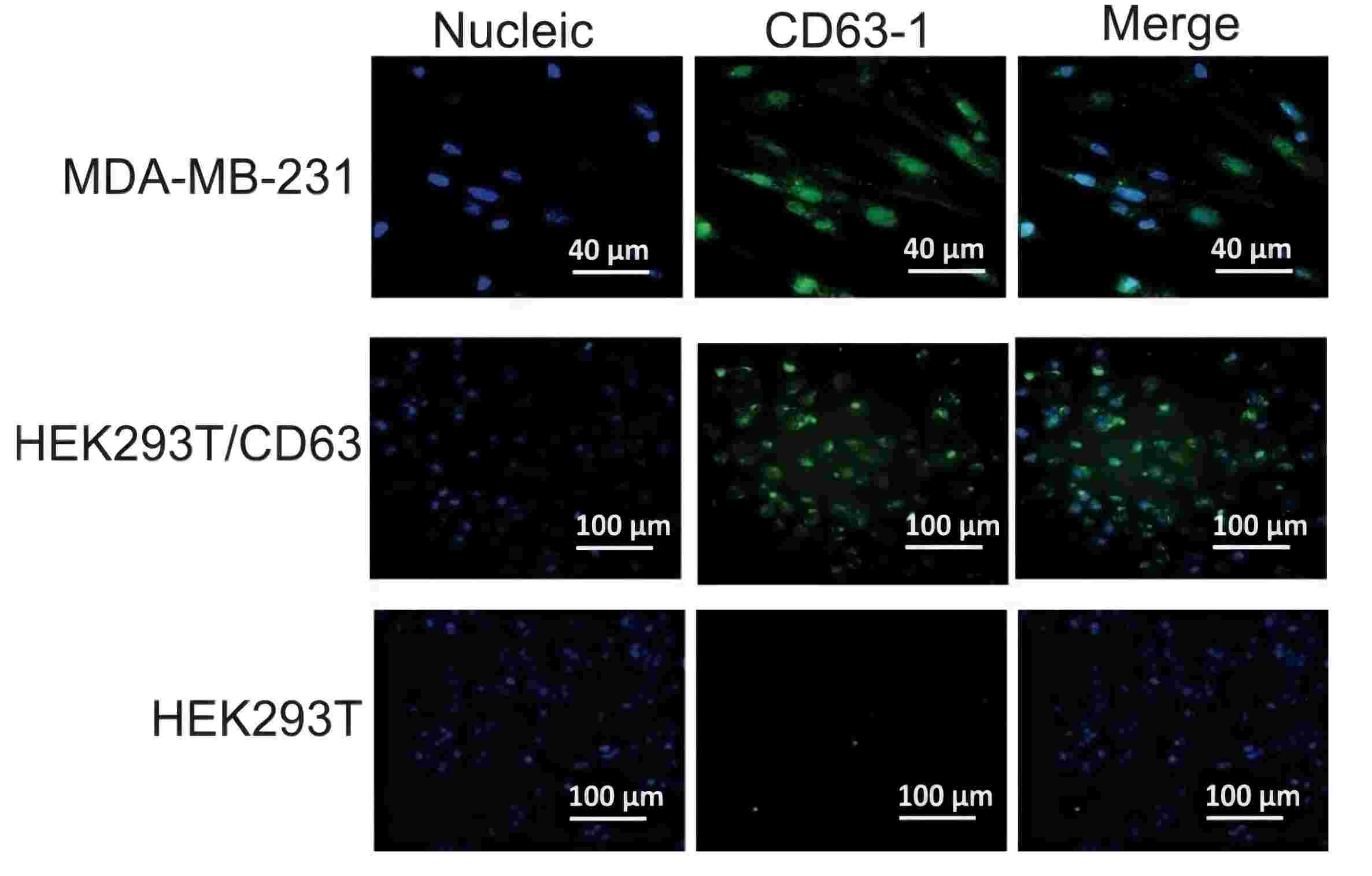 Fig.2 Fluorescence confocal imaging demonstrating specific binding of CD63 aptamer to CD63-positive cells.2,3
Targeting Drug-Resistant Melanoma with a Novel DNA Aptamer
Melanoma represents a highly aggressive malignancy associated with a bleak prognosis, affecting nearly half of patients with BRAF mutations. A BRAF inhibitor, which the US FDA and EMA have approved for advanced melanoma, is limited by adaptive resistance in most patients. In a study, a cell-based SELEX strategy yielded a DNA aptamer with high affinity and specificity for this drug-resistant melanoma cell. This optimized aptamer binds specifically to resistant cells with nanomolar dissociation constants, exhibiting excellent stability and low toxicity. Fluorescence imaging reveals a notable accumulation of the aptamer within tumors derived from resistant cells, contrasting with its absence in control tumors. CD63 is identified as the aptamer's binding target, forming a complex with TIMP1 and β1-integrin, activating NF-кB and MAPK signaling pathways, and contributing to resistance. This aptamer may have diagnostic and therapeutic potential for treating melanoma that is resistant to this BRAF inhibitor.
Creative Biolabs provides an extensive range of CD63-related products, including assay kits, aptamers, and antibodies for precise CD63 detection. Additionally, we offer customized solutions, such as bespoke anti-CD63 bispecific antibodies, to cater to specific needs and requirements.
CD63 Aptamer Analysis
Anti-CD63 aptamers are short, single-stranded oligonucleotides that are developed via SELEX to bind to the CD63 protein specifically. Anti-CD63 aptamers are crucial for molecular diagnostics, therapeutic research, and disease biomarker identification applications.
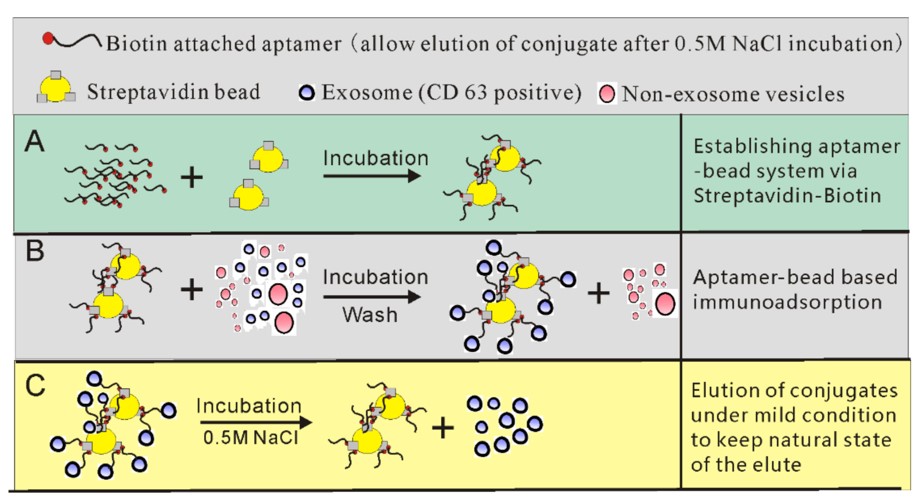 Fig.3 Development of a bead/aptamer-based exosome isolation system.2,3
Anti-CD63 aptamers are used to detect and analyze CD63 expression on cell surfaces and in exosomes, making them valuable tools for studying cell communication, cancer metastasis, and immune response. These aptamers are commonly applied in assays like flow cytometry, ELISA, and biosensors. Their application extends to cancer diagnostics, where they help identify tumor-derived exosomes, and in monitoring autoimmune diseases, where CD63-expressing exosomes serve as biomarkers. Additionally, these aptamers are critical in studies of neurodegenerative diseases, providing insights into disease mechanisms via exosome profiling. The ability to specifically bind to CD63 makes these aptamers highly effective in isolating and characterizing exosomes, enabling early disease detection, prognosis prediction, and the development of targeted therapies. What’s more, they aid in exploring exosome-based drug delivery systems to optimize therapeutic effectiveness.
The anti-CD63 aptamers Creative Biolabs provided offer high specificity, excellent stability, and ease of integration into various assays. Besides, we provide tailored solutions, including custom aptamer production, exosome isolation kits, and assay development services, to support efficient, cutting-edge research in cell biology, immunology, and disease detection.
References
-
Justo, Beatriz Laís, and Miriam Galvonas Jasiulionis. "Characteristics of TIMP1, CD63, and β1-integrin and the functional impact of their interaction in cancer." International Journal of Molecular Sciences 22.17 (2021): 9319.
-
Song, Zhenguo, et al. "Development of a CD63 aptamer for efficient cancer immunochemistry and immunoaffinity-based exosome isolation." Molecules 25.23 (2020): 5585.
-
Distributed under Open Access license CC BY 4.0, without modification.


 INQUIRY
 Datasheet