Product List Background MBL Autoantibody Functional Service
Background
Overview of Mannose-Binding Lectin (MBL)
MBL, a widely explored multifunctional C-type lectin, is a vital member of the lectin family. Due to its broad antibacterial activity, MBL is considered an integral member of the innate immune system. MBL is produced in the liver and released into the serum in response to specific stimuli. Evidence shows that circulating levels of MBL increase significantly following infection. It is worth noting that when inflammation occurs, MBL can be detected in upper respiratory tract secretions, middle ear mucus, and inflamed synovial fluid.
Function of MBL
As a critical calcium-dependent protein, MBL can recognize and bind to diverse pathogens, including viruses, bacteria, parasites, and fungi. Therefore, MBL plays a pivotal role in host defense against microbial invasion. Furthermore, as a critical hub in the initiation of the lectin pathway of the complement system, MBL can enhance macrophage phagocytosis and mediate antibody functions in complement activation. Significantly, MBL also clears apoptotic cells in different body structures, such as fatty tissues and lungs.
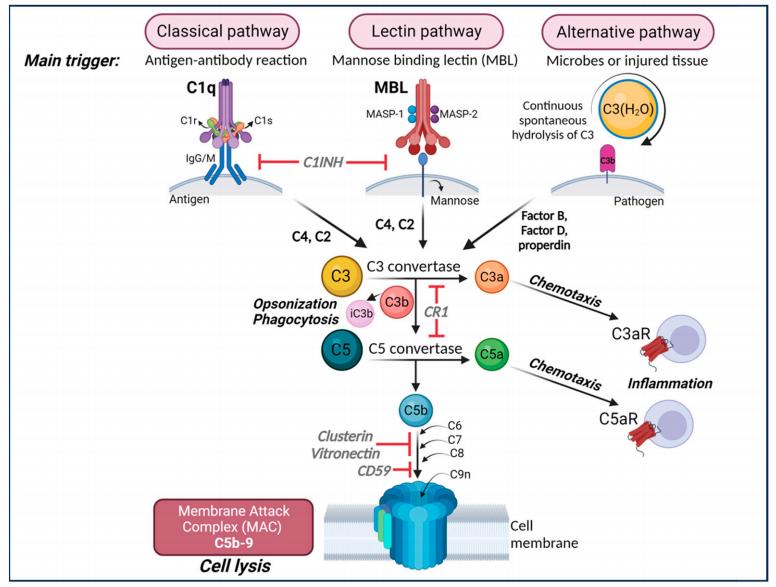 Fig.1 The complement cascade.1, 3
MBL Pathways
This pathway is a critical cascade in the complement system. Unlike the classical complement pathway, the MBL pathway does not recognize antibodies bound to its target. The pathway relies on the binding of MBL or ficolins to carbohydrates. This binding triggers a signal that leads to the cleavage of C2 and C4, followed by the production of C3 convertase and activation of the complement cascade.
MBL and Disorders
MBL protein is reported to be a critical factor in immune defense, especially during initial exposure to pathogens. Furthermore, MBL deficiency may lead to increased susceptibility to various infectious diseases. Similar to inflammatory acute phase proteins, MBL blood levels increase after infection. Data show that MBL levels are three times higher during inflammation than average.
For more details on MBL products, please contact our complement technology team.
MBL Autoantibody Functional Service
Creative Biolabs provides specialized ELISA kits designed for detecting human MBL autoantibodies, incorporating an antibody specific to MBL. These kits facilitate accurate measurement of the functional activity within this complement pathway. As such, they are invaluable tools in research focused on developing therapeutic strategies for disease management and intervention.
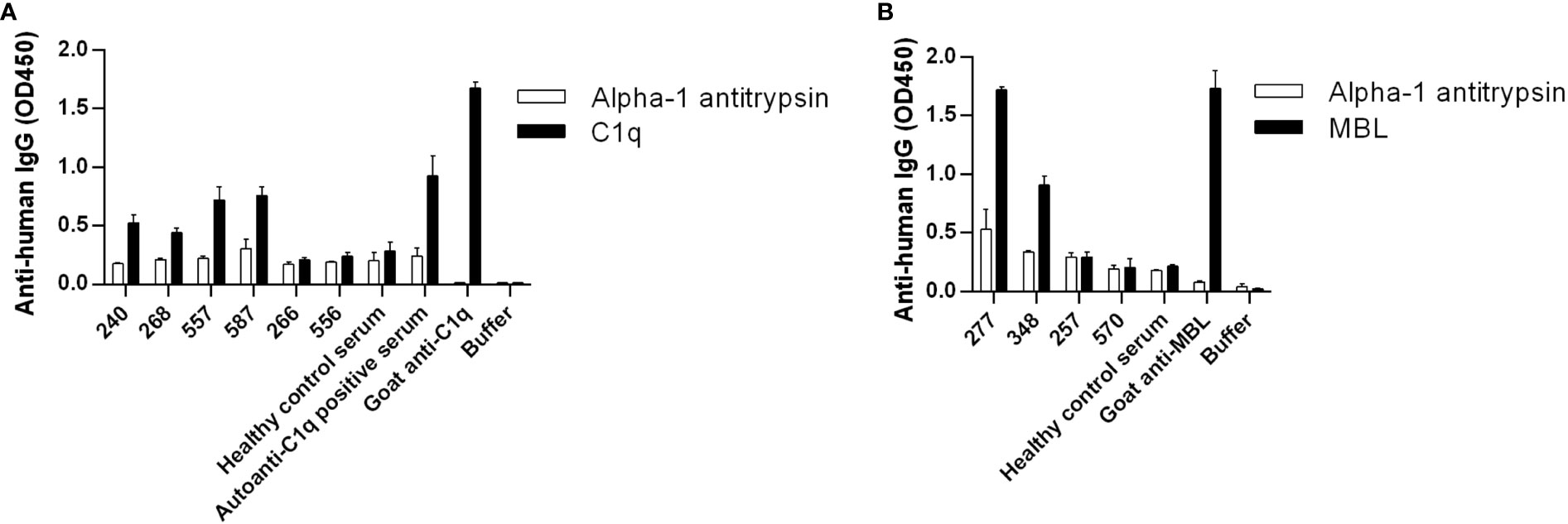 Fig.2 Identification of anti-C1q and anti-MBL autoantibodies in RA patients.2, 3
Rheumatoid arthritis (RA) is a persistent autoimmune disorder marked by inflammation of the joints, with the overactivation of the complement system playing a role in its development. Specifically, autoantibodies targeting the complement pathway initiators C1q and MBL, along with the alternative pathway regulator factor H (FH), have been previously identified. Researchers sought to evaluate the prevalence and importance of autoantibodies targeting complement proteins within a cohort of RA patients. Serum samples from ACPA-positive RA patients and healthy controls were analyzed for IgG and IgM autoantibodies targeting MBL, FH, C1q, factor B, and additional factors using ELISA techniques. MBL autoantibodies were detected in two patients within this cohort.
Creative Biolabs provides expert insight into the functionality of MBL autoantibodies through detailed analyses of interaction dynamics and thorough functional assessments. These cutting-edge services create new opportunities for patient diagnostics and investigations into the link between diseases and MBL. Designed to fulfill the specific requirements of distinguished clients, these services significantly enhance clinical and scientific research endeavors, facilitating the application of MBL autoantibodies in therapeutic strategies.
References
-
Batista, André F., et al. "The importance of complement-mediated immune signaling in Alzheimer’s disease pathogenesis." International Journal of Molecular Sciences 25.2 (2024): 817.
-
Matola, Alexandra T., et al. "Autoantibodies against complement factor B in rheumatoid arthritis." Frontiers in Immunology 14 (2023): 1113015.
-
Distributed under Open Access license CC BY 4.0, without modification.


 INQUIRY
 Datasheet