
Pseudotyping of Lentiviral Vector for Targeting Lung Cells and Myocytes
Pseudotyped lentiviral vectors (LVs) have the ability to transduce specific cell types and are important for targeted therapies. Creative Biolabs has established a variety of LVs optimization platforms to enable LVs targeting different types of cells. With years of experience in the gene therapy field, we provide high-quality pseudotyping services of LVs for targeting lung cells and myocytes.
Lentiviral Vector (LV) Pseudotyping
Lentiviral Vector (LV) Pseudotyping is a sophisticated engineering technique where the native viral envelope protein (typically VSV-G) is replaced with foreign viral glycoproteins. This modification allows the redirection of the virus to specific cell types by utilizing different cellular receptors. In the landscape of gene therapy, lung and muscle tissues are critical targets for treating life-threatening genetic disorders. However, the physiological barriers of these tissues—such as the mucus layer in the lungs and the dense extracellular matrix in muscles—often render standard vectors ineffective. Our specialized pseudotyping service provides high-efficiency, tissue-tropic lentiviral vectors designed to bypass these barriers and achieve precise genetic delivery for respiratory and neuromuscular diseases.
 Figure 1. Lentiviral modifications.1
Lentiviral Vector Pseudotyping Principles
- Envelope Glycoprotein Replacement: By co-transfecting a lentiviral backbone with a non-native envelope plasmid, we produce chimeric viral particles.
- Impact on Tropism: The chosen envelope determines which cell-surface receptors the virus can bind to, effectively "tuning" the host range.
- Enhanced Stability and Safety: Modern pseudotypes are engineered to be more stable during purification and less immunogenic than the wild-type VSV-G.
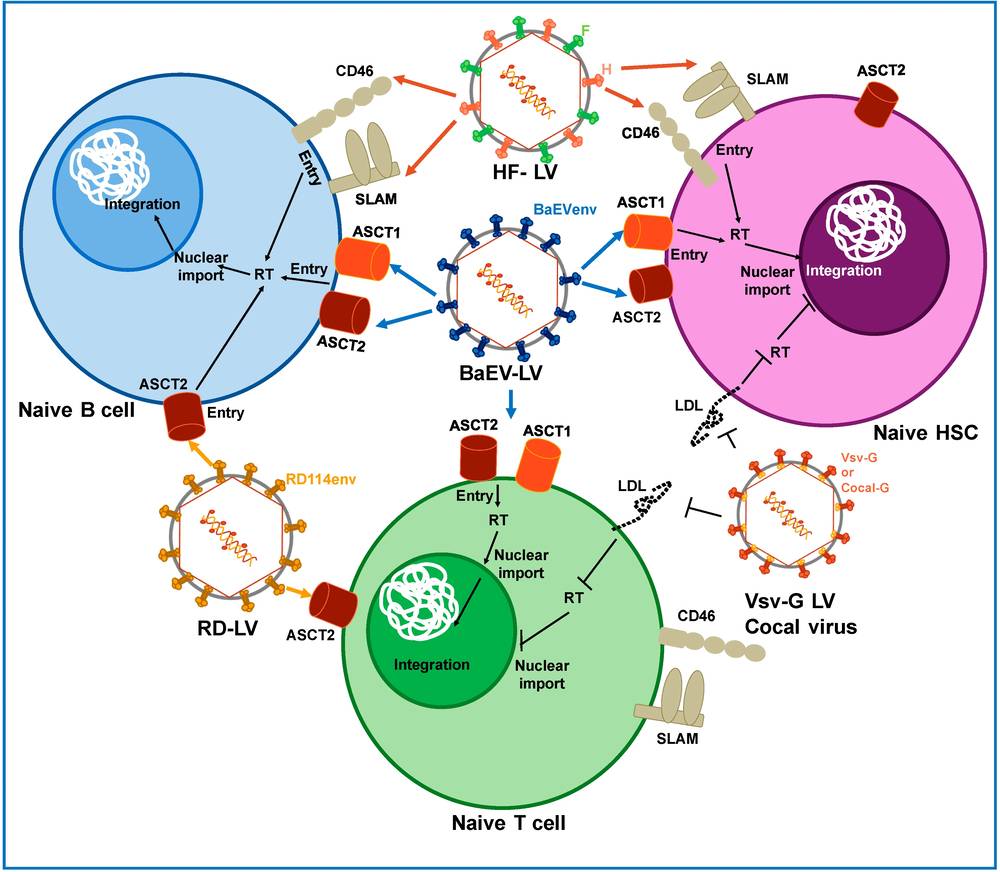 Figure 2. Pseudotyping of lentiviral vectors.1
Gene Delivery Targeting Lung Cells and Myocytes
Gene transfer to lung cells is an attractive treatment for many acute and chronic acquired lung diseases, including pulmonary edema, acute lung injury and/or acute respiratory distress syndrome, and pulmonary fibrosis. Due to the relative quiescence of the cells that constitute the alveolar epithelium, the viral vector must be capable of efficiently transducing cells that are not actively dividing. In this regard, LVs have been shown to transduce non-dividing cells and thus have the potential to deliver genes to the lung. However, the use of vectors to deliver genes to the lung is limited by the ability of the vector to traverse the airway surface. Therefore, it is imperative to develop novel LVs capable of targeting lung cells.
Gene delivery to cardiac myocytes has the potential to therapeutically correct genetic defects and study cardiac muscle physiology. Delivery of genes to myocytes is difficult because they are terminally differentiated, do not divide, and have a relatively short life span in vitro. Moreover, delivery of the gene to cardiac myocytes is further hampered by the toxicity associated with the delivery vehicle. LVs are capable of transducing non-dividing cells, achieving long-term expression of the gene without toxicity, and tus have a great potential for delivery of genes to myocytes.
Pseudotyping of LVs Targeting Lung Cells and Myocytes
Viral vectors derived from lentiviruses, such as human immunodeficiency virus (HIV), feline immunodeficiency virus (FIV), have been developed and used to transfer genes of interest to specific cells in vitro and in vivo. At present, targeting specific cellular populations can potentially be achieved by pseudotyping LVs with heterologous glycoprotein (GPs) of other viruses. LVs are usually pseudotyped with vesicular stomatitis virus glycoprotein (VSV), which confers a broad tropism that transduces a wide range of cell types including hematopoietic cells, neurons and hepatocytes. The VSVG pseudotyped LVs have low transduction efficiency in myocytes and lung cells. To date, GPs of other viruses are also used to pseudotype the LVs, including Filovirus, Ebola Zaire (EboZ) virus, Marburg virus, Lassa virus and Sindbis virus.
Applications of Pseudotyping of Lentiviral Vector
Applications in Lung Diseases
- Cystic Fibrosis (CF): Delivery of functional CFTR genes.
- Pulmonary Fibrosis & COPD: Silencing pro-inflammatory or fibrotic pathways.
- Lung Cancer: Delivery of suicide genes or immune-modulatory factors.
Applications in Muscle Disorders
- Duchenne Muscular Dystrophy (DMD): Delivery of micro-dystrophin sequences.
- Cardiomyopathies: Genetic correction of structural heart proteins.
- Muscle Regeneration: Delivering growth factors like IGF-1 to promote repair after injury.
Our Services
As the world's leading provider of LVs development, Creative Biolabs has established a variety of LVs optimization platforms to perform LVs targeting different types of cells, including cancer cells, astrocytes, CD8+ cells, hepatocytes, lung cells and myocytes. For instance, we use various viral GPs to pseudotype LVs to increase its cell tropism, which allows LVs to be applied to various basic research and treatment of clinical diseases. At Creative Biolabs, the GPs we use to target lung cells and myocytes to pseudotype LVs are mainly from the following viruses:
Pseudotyping of LV for Targeting Lung Cells
Targeted Lung Cell Lineages
- Alveolar Epithelial Cells (Type I/II): Essential for gas exchange and surfactant studies.
- Airway Epithelial Cells (Ciliated/Goblet): The primary focus for Cystic Fibrosis (CF) research.
- Lung Fibroblasts: Targeted for Idiopathic Pulmonary Fibrosis (IPF) signaling studies.
Envelope Options for Pulmonary Delivery
| Envelope Protein | Viral Origin | Target Receptor | Best Use Case |
|---|---|---|---|
| F/HN Proteins | Sendai Virus (SeV) | Sialic acid / Gangliosides | Highest efficiency for apical airway transduction. |
| HA/NA | Influenza Virus | Sialic acid | Ideal for aerosolized/intranasal delivery models. |
| Ebola GP (mod) | Modified Ebola | NPC1 / Integrins | Exceptional penetration into alveolar macrophages. |
| SARS-CoV-2 S | Coronavirus | ACE2 | Modeling COVID-19 pathology and ACE2+ cell targeting. |
Pseudotyping of LV for Targeting Myocytes
Myocyte Types We Target
- Skeletal Muscle Cells
- Cardiac Myocytes
- Smooth Muscle Cells
Myocyte-Targeting Envelope Strategies
- Measles Virus (MV) Envelope Glycoproteins: Efficiently transduce muscle cells by recognizing receptors such as CD46.
- Engineered Muscle-Tropic Envelopes: Display muscle-specific ligands on the viral envelope.
- Receptor-Targeted Pseudotyping Approaches: Designs based on targeting receptors highly abundant on muscle cell surfaces.
Lentiviral Vector Design & Production
- Vector Backbone Selection: Offering second- and third-generation self-inactivating (SIN) lentiviral backbones to ensure safety.
- Promoter Choice: Recommendation or customization of tissue-specific (e.g., SP-C for alveoli, MLC for muscle) or strong universal promoters (e.g., CMV, EF1α).
- Bicistronic / Multicistronic Design Options: Support for 2A peptide-mediated co-expression of multiple genes.
- High-Titer Lentivirus Production and Purification: Utilizing triple- or quad-plasmid transfection systems, followed by purification via ultracentrifugation or chromatography to provide high-concentration, high-purity viral stocks.
- Quality Control: Rigorous testing for physical titer (pfu/mL), infectious titer (TU/mL), purity, and sterility.
Advantages of Our Pseudotyping Service
- Deep Cell-Type–Targeting Expertise: Rich experience with successful projects in lung and muscle tissue targeting.
- Broad Envelope Protein Library: Access to dozens of natural and engineered envelopes, providing more options.
- Customizable and Scalable Solutions: Full support from small-scale pilot studies for basic research to large-scale production for preclinical animal trials.
- Strong Track Record: Numerous verifiable success cases in lung and muscle gene delivery.
- End-to-End Technical Support: Expert team providing comprehensive consultation and support from project design to result analysis.
Frequently Asked Questions
Q: How do you choose the best envelope for lung or muscle targeting?
A: Based on your target cell type (specific subtype), in vivo/in vitro application, and transgene size, we leverage our database and pre-experimental results to recommend 2-3 optimal candidate envelopes for parallel testing.
Q: Can lung- and muscle-targeting be combined in one project?
A: Yes. We can design bispecific envelopes or separately produce two pseudotyped viruses—one for lung and one for muscle—for you to use in combination in your studies.
Q: What cell models are supported for validation?
A: We support common cell lines (e.g., A549, H441, C2C12, H9C2), primary cells (e.g., primary lung epithelial cells, primary myoblasts), and customer-provided specific cells. We can also assist in establishing 3D organoid or co-culture models for testing.
Q: Are there scale-up options for in vivo studies?
A: We offer fully scalable production services, from research-grade (µg-scale) to preclinical animal trial-grade (mg-scale) high-purity virus preparation, meeting your needs from cell culture experiments to studies in mice, rats, or even larger animal models.
Q: Is the titer lower for lung-targeting envelopes compared to VSV-G?
A: While some specialized envelopes (like Influenza HA) may yield slightly lower raw titers, their functional efficiency in lung tissue is often 10-50x higher than VSV-G, requiring a lower total dose.
Connect with Us Anytime!
At Creative Biolabs, we use our expertise to support customers at any stage, from basic research to preclinical manufacturing. Our team is comprised of scientists across multiple disciplines that can help you with LVs optimization, vector design, and safety determination, LVs development and other technical questions. If you have any question about our LVs services, please feel free to contact us.
Reference
- Gutierrez-Guerrero A, Cosset F L, Verhoeyen E. Lentiviral vector pseudotypes: precious tools to improve gene modification of hematopoietic cells for research and gene therapy. Viruses, 2020, 12(9): 1016. https://doi.org/10.3390/v12091016 (Distributed under Open Access license CC BY 4.0, without modification.)
