Product List Background ANGPT2 Aptamer Analysis
Background
Angiopoietin-2 (ANGPT2) is a crucial protein involved in angiogenesis, and blood vessel formation. Encoded by the ANGPT2 gene, it is primarily secreted as a glycosylated homodimer. ANGPT2 consists of an N-terminal coiled-coil domain essential for oligomerization and a C-terminal fibrinogen-like domain involved in receptor binding. It is expressed in various tissues, notably vascular endothelial cells, regulating vascular permeability and endothelial cell survival. ANGPT2 plays a critical role in vascular development and remodeling, often opposing Angiopoietin-1 (ANGPT1) to destabilize blood vessels during angiogenesis and inflammation.
Its Gene ID: 285, UniProtKB ID: O15123, and OMIM ID: 601922.
Biological Functions of ANGPT2
ANGPT2 is a multifaceted protein crucial in vascular biology. ANGPT2 and the related ANGPT1 are ligands for the receptor tyrosine kinase Tie2. Tie2 phosphorylation can enhance blood vessel stability. ANGPT2 acts on the Tie2 receptor in an autocrine manner. ANGPT2 binds to Tie2 and competes with ANGPT1 for the binding site, acting as an antagonist of ANGPT1-mediated Tie2 activation. Besides, ANGPT2 can also act as the primary Tie2 agonist under specific conditions, modulating angiogenesis. Without angiogenic stimuli like VEGF, ANGPT2 disrupts endothelial cell-matrix interactions, potentially leading to apoptosis and vascular regression. However, in the presence of VEGF, it synergizes to enhance endothelial cell proliferation and migration, allowing angiogenesis. Beyond blood vessels, ANGPT2 influences lymphangiogenesis and plays a role in inflammation regulation by cooperating with ANGPT1, highlighting its broad impact on vascular and immune processes.
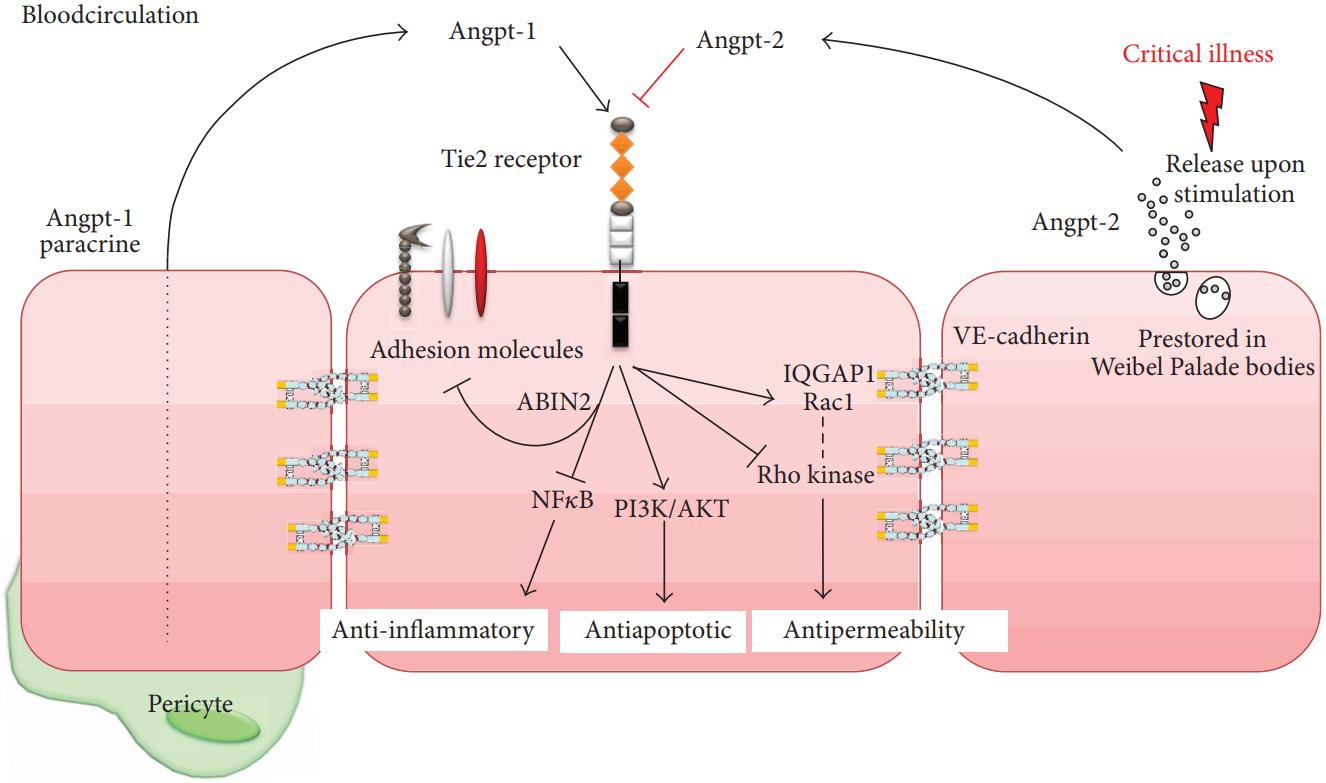 Fig.1 The ANGPT/Tie2 system highlighting fundamental signaling pathways.1,4
Role of ANGPT2 in Vascular Malformations
ANGPT2 has been linked to the development of various vascular malformations, where its abnormal elevation leads to vessel enlargement and morphological alterations. It contributes to arteriovenous malformations (AVMs) by promoting pathological angiogenesis and vascular remodeling through its interaction with the Tie2 receptor. In hereditary hemorrhagic telangiectasia (HHT), ANGPT2 exacerbates vascular fragility and angiogenesis, aggravating the formation of telangiectasias and arteriovenous malformations. Additionally, in capillary malformation-arteriovenous malformation (CM-AVM) syndrome, ANGPT2 dysregulates endothelial cell function, contributing to abnormal vascular growth and malformation.
ANGPT2 in Cancer
ANGPT2 is a significant cancer biomarker due to its high expression levels in diverse tumor cells and influences tumor angiogenesis and inflammatory processes. In hepatocellular carcinoma (HCC), ANGPT2 is notably upregulated, correlating closely with disease progression and prognosis. In cerebral cavernous hemangioma (CCH), ANGPT2 dysregulation disrupts endothelial cell-cell junctions, promoting vascular instability and hemorrhagic events. This disrupts vascular integrity and contributes to the pathological angiogenesis characteristic of CCH. Understanding ANGPT2's role in these contexts underscores its potential as a diagnostic and prognostic indicator in cancer, highlighting avenues for targeted therapeutic interventions aimed at angiogenic pathways in tumor and vascular disorders.
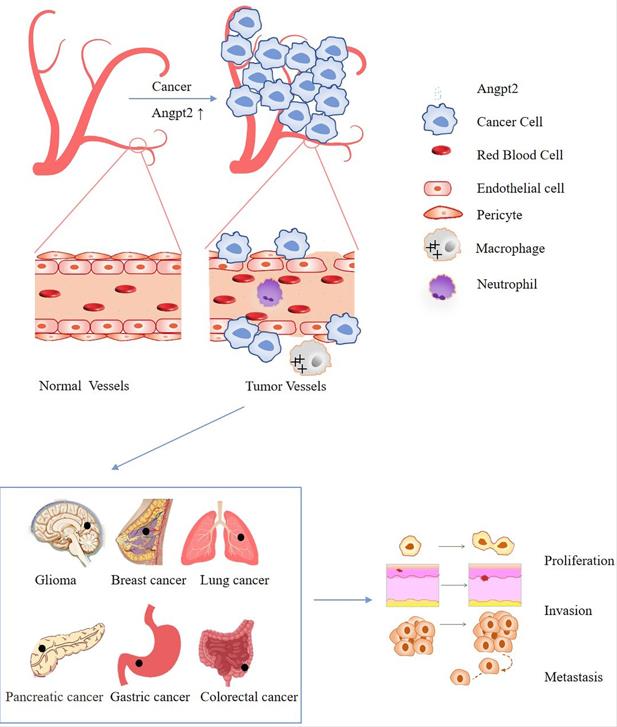 Fig.2 The impact of ANGPT2 dysregulation on cancer cells.2
Creative Biolabs provides several high-affinity aptamers targeting ANGPT2. Click on each aptamer to explore its complete product specifications and select the one most suited to your research.
ANGPT2 Aptamer Analysis
Anti-ANGPT2 aptamers are synthetic oligonucleotides designed to specifically bind to ANGPT2, a key regulator of angiogenesis and vascular permeability, as above described. These aptamers hold significant potential in treating diseases involving abnormal blood vessel growth, such as cancer, diabetic retinopathy, and inflammatory disorders.
Anti-ANGPT2 aptamers are used in diagnostic assays to detect ANGPT2 levels, which are elevated in various diseases such as cancer and cardiovascular conditions. They function by binding ANGPT2 and preventing its interaction with the Tie2 receptor, thus inhibiting angiogenesis and vascular leakage. This action can reduce tumor growth, metastasis, and inflammation. Research has demonstrated that anti-ANGPT2 aptamers can effectively block the pro-angiogenic effects of ANGPT2, making them potential therapeutic agents for diseases involving abnormal blood vessel formation. For example, in cancer, these aptamers can be used to disrupt the tumor vasculature, impairing tumor nutrient supply and inhibiting metastasis. Additionally, anti-ANGPT2 aptamers are being explored for use in drug delivery systems to target specific tissues by modifying blood vessel permeability in a controlled manner.
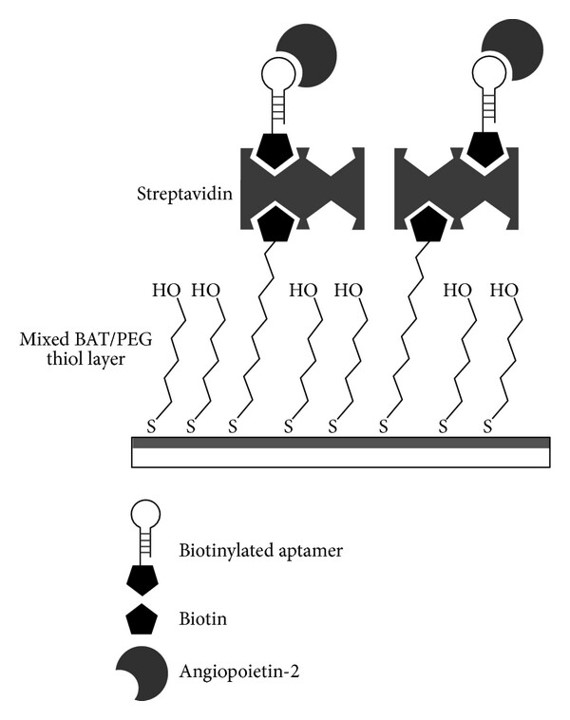 Fig.3 Schematic of biotinylated RNA anti-ANGPT2 aptamers on the surface plasmon resonance (SPR) sensor biosensor surface.3,4
Creative Biolabs offers custom anti-ANGPT2 aptamer development, optimized for diagnostic and therapeutic research applications. Our services include aptamer synthesis, functional assays, and support for targeted therapy research. Customers benefit from tailored solutions that enable research on precise disease detection, therapeutic efficacy, and innovation in angiogenesis-related treatment.
References
-
Lukasz, Alexander, Philipp Kümpers, and Sascha David. "Role of angiopoietin/tie2 in critical illness: promising biomarker, disease mediator, and therapeutic target?" Scientifica 2012.1 (2012): 160174.
-
Liu, Na, et al. "Ang2-targeted combination therapy for cancer treatment." Frontiers in Immunology 13 (2022): 949553. Distributed under Open Access license CC BY 4.0, without modification.
-
Hu, Wen-Pin, et al. "Computational Selection of RNA Aptamer against Angiopoietin‐2 and Experimental Evaluation." BioMed Research International 2015.1 (2015): 658712.
-
Distributed under Open Access license CC BY 3.0, without modification.



 INQUIRY
 Datasheet