The biopharmaceutical landscape faces persistent challenges, from lengthy drug development cycles to complex clinical trials and the need for high-quality protein and antibody development. Creative Biolabs offers an in vitro non-antigen specific functional assay service to accelerate your drug discovery and streamline clinical trial processes. Our advanced cell culture techniques, high-throughput flow cytometry, and sensitive biochemical analyses provide robust insights into immune function, helping you overcome research hurdles and advance therapeutic innovation.
Essential Non-Antigenic Insights
While antigen-specific immune responses are well-characterized, the broader, non-antigen-specific immune system plays a pivotal role in disease pathogenesis and therapeutic outcomes. Understanding these fundamental immune cell functions, independent of specific antigen recognition, is critical for comprehensive therapeutic development. This is especially true in emerging fields like gene therapy, where vectors or modified cells can profoundly influence the innate and adaptive immune responses non-specifically. Developing these assays is essential to assess off-target effects, evaluate broad immunomodulation, and ensure the safety and efficacy of novel immunotherapies. They provide crucial data beyond mere phenotypic analysis, reflecting the true functional state of immune cells.
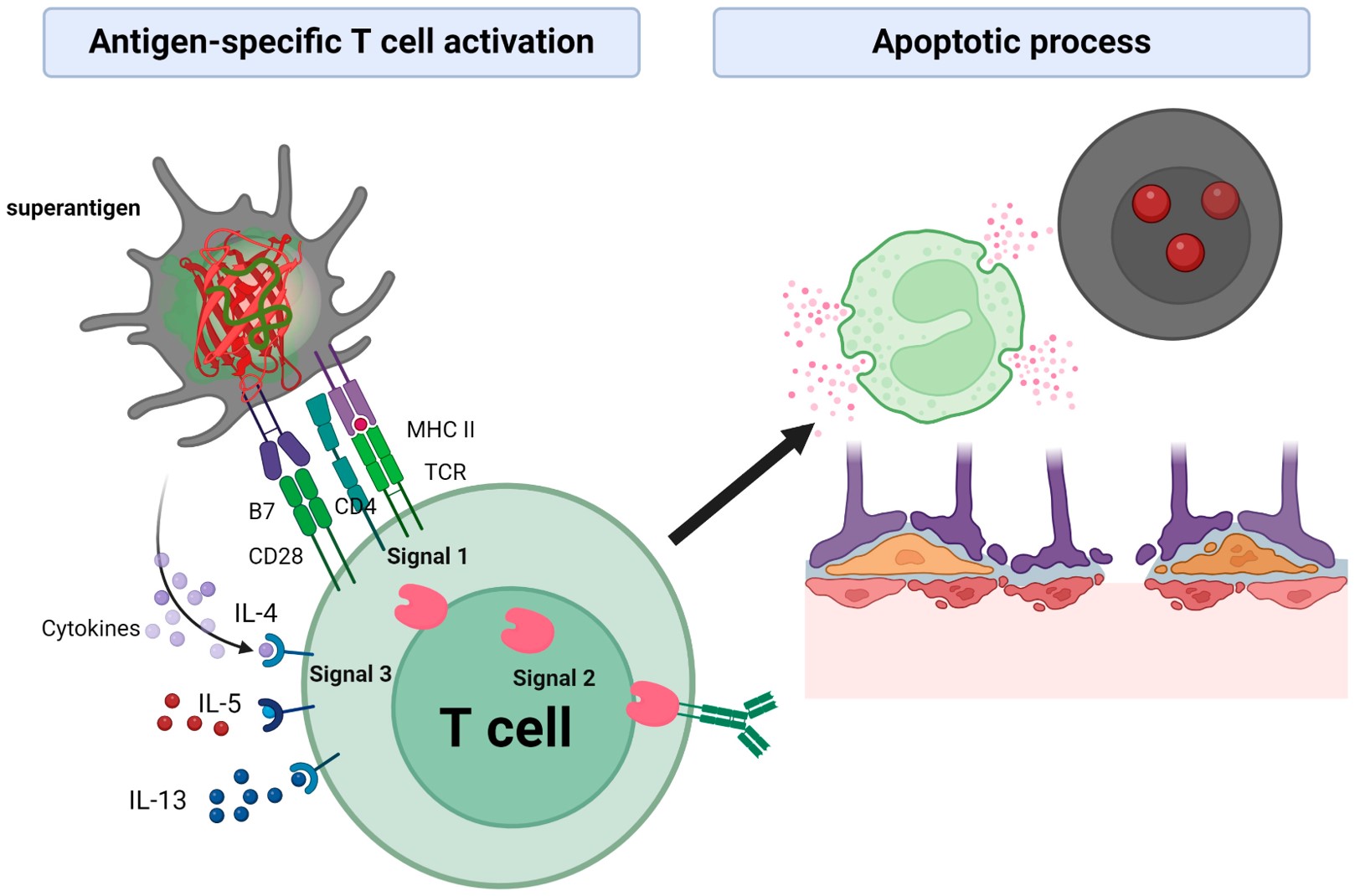 Fig.1 SE superantigens directly link to the T-cell receptor's beta chain.1,3
In Vitro Non-Antigen Specific Functional Assay at Creative Biolabs
Generally, non-antigen specific functional assays include Staphylococcal enterotoxin B (SEB) or Phytohaemagglutinin (PHA) stimulation functional assays. Creative Biolabs delivers comprehensive solutions for characterizing immune cell function, providing critical data to guide your therapeutic development. Our expertise ensures reliable, high-quality results for a deeper understanding of drug mechanisms and immune responses. To guarantee the highest quality results, we start with healthy donor samples and quality-controlled reagents. Every experimental plan is then optimized and analyzed to ensure it aligns perfectly with our clients' needs. Our in vitro non-antigen specific functional assay service follows a systematic, transparent workflow designed for clarity and efficiency, making it ideal for integration into your research roadmap.
Required Starting Materials
To initiate the service, clients typically provide:
-
Test Compounds/Therapeutics: Drug candidates, antibodies, or immunomodulatory agents for evaluation.
-
Cell Lines/Primary Cells: Specific immune cell populations (e.g., PBMC, isolated NK cells, macrophages, T cells) relevant to your study.
-
Relevant Background Data: Any preliminary data or specific assay requirements pertinent to your research goals.
Workflow: From Sample to Solution
Project Consultation & Design
Description: Our expert team collaborates with you to understand your research objectives, select the most appropriate non-antigen specific assays, and design a customized experimental plan.
Outcome: A tailored assay strategy, optimized cell sources, and a detailed protocol.
Cell Preparation & Culture
Description: Isolation, expansion, and preparation of target immune cells from provided samples or established cell lines, ensuring optimal viability and functionality for the assays.
Outcome: High-quality, viable immune cell populations ready for experimental treatment.
Compound Treatment & Incubation
Description: Immune cells are treated with your test compounds under controlled conditions, followed by appropriate incubation periods to allow for functional modulation.
Outcome: Cells exposed to treatments, ready for functional assessment.
Functional Assay Execution
Description: Performance of selected non-antigen specific assays (e.g., cytotoxicity, cytokine release, proliferation, phagocytosis, chemotaxis, immune cell activation via flow cytometry) using established protocols and advanced instrumentation.
Outcome: Raw data generated from functional readouts.
Data Analysis & Reporting
Description: Comprehensive analysis of raw data, statistical interpretation, and generation of a detailed report including methodology, results, and conclusions.
Outcome: Interpreted data, charts, graphs, and a final scientific report detailing the functional impact of your test compounds.
Service Highlights
-
Robust & Reproducible Results: Our assays deliver consistent, high-quality data, providing deep insights into immune cell behavior.
-
Highly Adaptable Applications: The assays are flexible and can be tailored to various research needs, supporting diverse therapeutic areas including cancer, autoimmune diseases, and infectious diseases.
-
Cost-Effective & Efficient: This service offers an economical and streamlined approach to preclinical drug evaluation, significantly accelerating your research milestones.
Data Show
A key contributor to toxic shock syndrome (TSS) is the superantigen staphylococcal enterotoxin B (SEB), which causes an overwhelming "cytokine storm" by activating and proliferating T cells. Clinical observations show that children experience less severe TSS than adults, but the reason for this is poorly understood. To investigate this, this study analyzed T cell function in pediatric and adult samples using a specialized panel. The findings reveal that T cell activation, proliferation, and the number of multifunctional T cells following SEB stimulation are significantly lower in pediatric participants, gradually increasing until around age 15. This reduced T cell response in children may explain why they have a lower mortality rate from TSS, as the disease's severity is linked to a robust pro-inflammatory cytokine response.
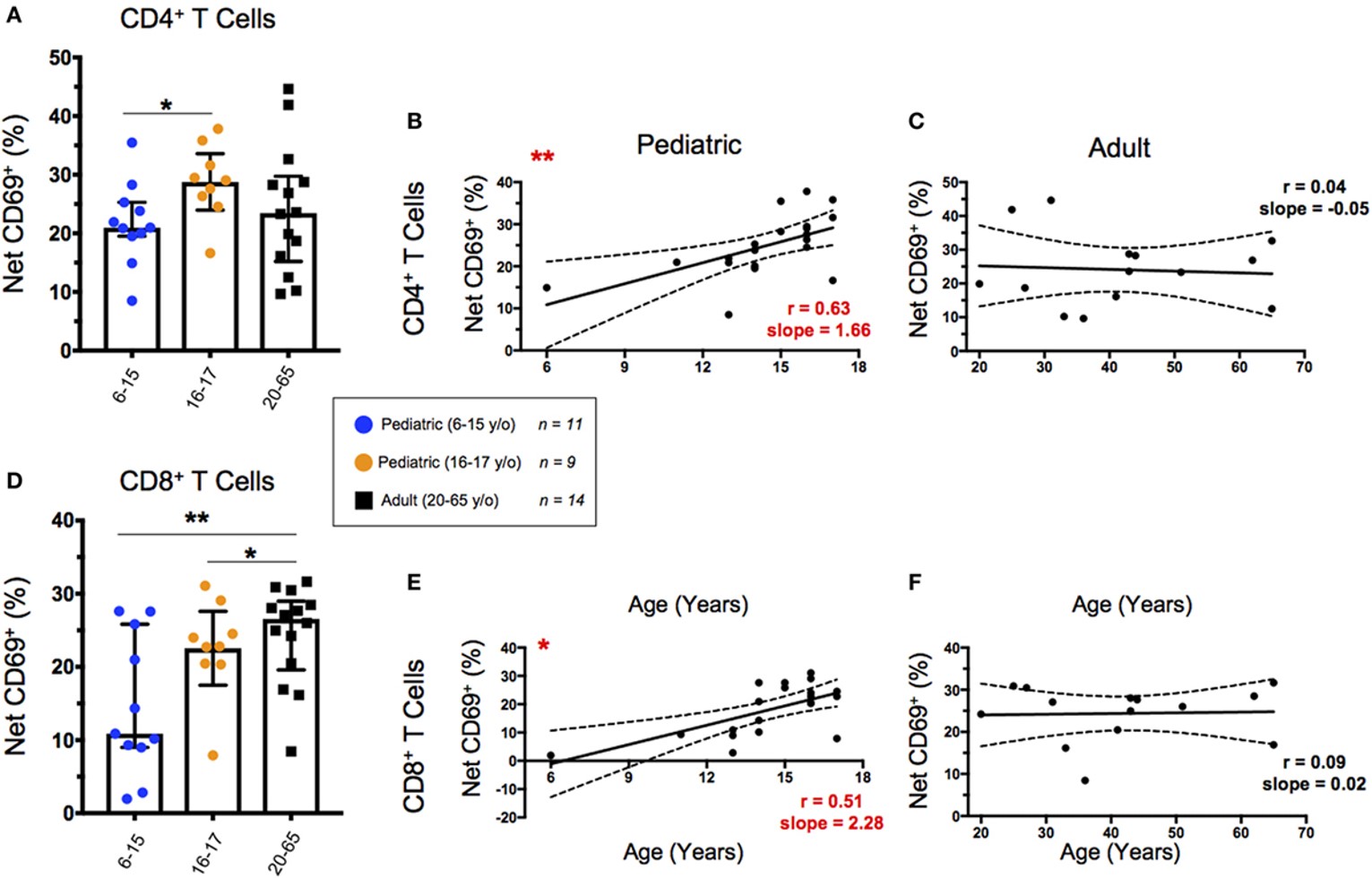 Fig.2 The expression of the CD69 molecule after SEB stimulation.2,3
FAQs
-
Q1: What types of immune cells can be analyzed with Creative Biolabs' non-antigen specific functional assays?
A1: We can analyze a wide range of immune cells, including natural killer (NK) cells, macrophages, neutrophils, T cells, and B cells, depending on the specific functional assay and your project needs. We often utilize PBMCs or isolated primary cells to provide the most physiologically relevant data.
-
Q2: How do these assays differ from antigen-specific assays, and when should I choose non-antigen specific ones?
A2: Antigen-specific assays focus on responses triggered by a specific antigen (e.g., T cell activation by a peptide). Non-antigen specific assays evaluate the intrinsic or general functional capacity of immune cells, independent of specific antigen presentation. You should choose non-antigen specific assays when investigating broad immunomodulatory effects, assessing innate immune responses, or characterizing the general activation state of immune cells by a therapeutic agent.
-
Q3: Can Creative Biolabs customize these assays for unique research applications or specific disease models?
A3: Absolutely. We specialize in providing customized solutions. Our scientific team will work closely with you to tailor the assay design, cell types, endpoints, and analytical approaches to perfectly align with your unique research questions and specific disease models.
-
Q4: What precautions should be considered when interpreting results from these assays?
A4: While highly informative, it's important to interpret in vitro results in the context of potential in vivo complexities. We ensure robust controls and rigorous data analysis, but factors like cell source variability and the in vitro environment should always be considered. Our experts provide comprehensive data interpretation to guide your conclusions.
Contact Us
Creative Biolabs' in vitro non-antigen specific functional assay service provides essential insights into immune cell function, accelerating your therapeutic development with high-quality, reliable data. Our expertise and customized solutions are designed to address the most pressing challenges in immunology research. If you want to get more details about our in vitro non-specific function assay service, please don't hesitate to click the link to contact us.
References
-
Cieza, Mirian Yuliza Rubio et al. "Staphylococcal Enterotoxins: Description and Importance in Food." Pathogens (Basel, Switzerland) vol. 13,8 676. 9 Aug. 2024, doi:10.3390/pathogens13080676.
-
Rudolph, Mark E et al. "Differences Between Pediatric and Adult T Cell Responses to In Vitro Staphylococcal Enterotoxin B Stimulation." Frontiers in immunology vol. 9 498. 20 Mar. 2018, doi:10.3389/fimmu.2018.00498
-
Distributed under Open Access License CC BY 4.0, without modification.
For Research Use Only.