Overview of Induced Pluripotent Stem Cell-derived Exosome (iPSC-Exos)
The advent of induced pluripotent stem cells (iPSCs) has marked a transformative milestone in regenerative medicine and personalized therapeutics. Reprogrammed from adult somatic cells, iPSCs exhibit pluripotent capabilities akin to embryonic stem cells, capable of differentiating into any somatic cell lineage. This groundbreaking discovery has fueled a wide spectrum of applications ranging from disease modeling and drug screening to tissue engineering and cell-based therapies. However, despite their enormous potential, clinical translation of iPSCs is significantly hindered by safety concerns, such as teratoma formation, immunogenicity, and variability in differentiation efficiency.
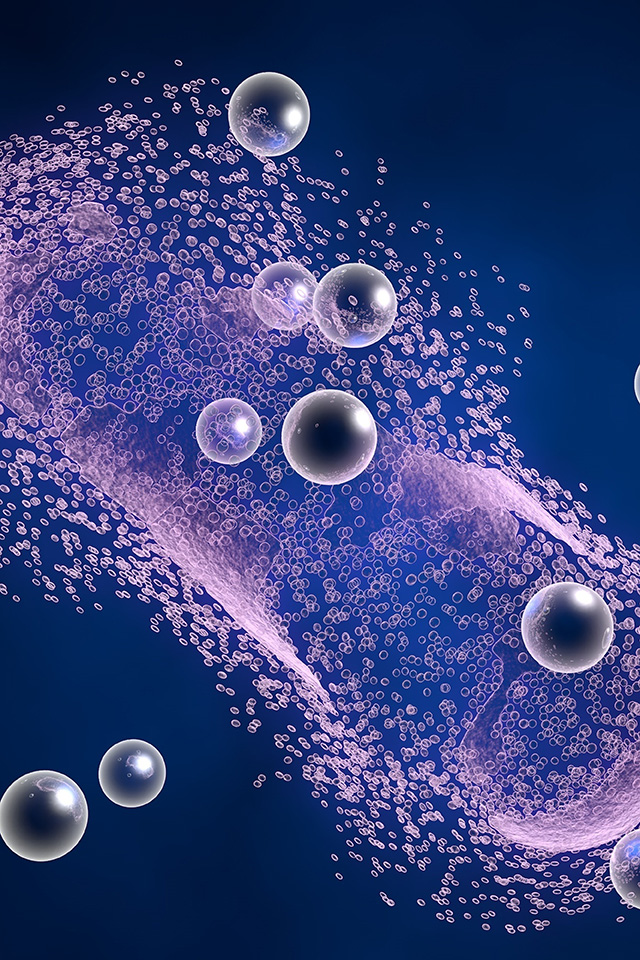
In light of these challenges, researchers have turned their focus toward exosomes secreted by iPSCs as an alternative therapeutic modality. These nanoscale vesicles (30–150 nm) are key mediators of intercellular communication, capable of transferring functional biomolecules, including proteins, lipids, mRNAs, and microRNAs. Notably, iPSC-derived exosomes (iPSC-Exos) inherit the regenerative and regulatory signatures of their parental cells while circumventing the risks associated with cell transplantation. This paradigm shift has propelled iPSC-Exos to the forefront of cell-free therapeutic research.
Fig.1 Exosomes from human induced pluripotent stem cells-derived keratinocytes accelerate burn wound healing.1
Benefits of iPSC-Exos
Despite their cell-free nature, iPSC-Exos offer a wide range of biological and translational advantages that rival—and often exceed—those of their cellular counterparts. Key benefits include:
Targeted Delivery
Due to their nanoscale size and intrinsic tropism, iPSC-Exos can travel through biological barriers and accumulate at target sites with high precision. This property makes them ideal vectors for delivering therapeutic cargo to specific tissues. Creative Biolabs provides customizable exosome loading solutions, including surface engineering and encapsulation techniques, to enhance delivery specificity and therapeutic efficiency.
Encased in a lipid bilayer membrane, iPSC-Exos exhibit remarkable structural stability under various storage conditions. This robust physicochemical profile facilitates long-term preservation and ease of transport. Creative Biolabs supports clients with exosome stability evaluation service to ensure the consistency and functionality of exosome preparations across batches.
Low Immunogenicity and Safety
iPSC-Exos lack nuclear content and do not replicate, thereby eliminating the risk of uncontrolled proliferation or tumorigenesis. Furthermore, their origin from autologous or low-immunogenic cell sources reduces the likelihood of host immune rejection. We offer comprehensive exosome safety evaluation services, including in vivo toxicity testing and immunogenicity profiling, to streamline preclinical development.
Cargo Versatility
Exosomes naturally carry a rich repertoire of bioactive molecules, but they can also be engineered to deliver specific therapeutic payloads. At Creative Biolabs, we support both pre-isolation and post-isolation cargo loading—ranging from RNA therapeutics and small molecules to peptides and recombinant proteins.
These attributes collectively position iPSC-Exos as a versatile and scalable platform for regenerative and targeted therapies.
One-stop Exosome Research Technology Platform
At Creative Biolabs, we are dedicated to helping clients harness the unique therapeutic potential of iPSC-Exos. Our integrated services span exosome isolation, characterization, modification, and functional reaearch—empowering researchers to explore new frontiers in regenerative medicine.
Creative Biolabs Exo Research Platform
Applications of iPSC-Exos in Regenerative Medicine
Given their multifaceted properties, iPSC-Exos are being actively investigated in several therapeutic domains. Here, we highlight key application areas supported by Creative Biolabs' service portfolio:
Cardiovascular Regeneration
In preclinical models of myocardial infarction and chronic heart failure, iPSC-Exos have demonstrated the capacity to promote neovascularization, reduce oxidative stress, and preserve cardiac contractility. Their immunomodulatory and anti-apoptotic properties further contribute to cardiac repair. To support cardiovascular research, Creative Biolabs offers cardiovascular disease model construction services tailored to test the efficacy of exosome therapies in ischemic and inflammatory heart conditions.
Wound Healing and Tissue Repair
iPSC-Exos accelerate wound closure by stimulating fibroblast migration, angiogenesis, and extracellular matrix remodeling. Their anti-inflammatory action also aids in resolving chronic inflammation in cutaneous injuries. Our specialized services include exosome cytokine profiling, wound healing assay platforms, and proteomic analysis to decipher the healing mechanisms of iPSC-Exos.
Dermatological Applications and Anti-Aging
Aging skin is marked by reduced collagen synthesis, impaired barrier function, and diminished regenerative capacity. iPSC-Exos have been shown to enhance dermal fibroblast proliferation, restore collagen expression, and improve overall skin texture. Creative Biolabs supports skin regeneration research through tailored iPSC-Exo functional assays, skin disease model construction, and lipidomics/metabolomics analysis to explore exosomal biomarkers for anti-aging formulations.
Neuroregeneration
The neuroprotective effects of iPSC-Exos are well-documented in both central and peripheral nervous system injury models. By delivering miRNAs and proteins involved in neurogenesis, they enhance neuron survival, axonal growth, and functional recovery. For example, iPSC-Exos enriched with miR-199b-5p have been shown to modulate macrophage polarization and promote spinal cord regeneration. We provide nervous system model construction, miRNA sequencing, and exosome engineering services to facilitate the development of neurorestorative therapeutics.
Comprehensive Support from Creative Biolabs
While the therapeutic promise of iPSC-Exos is increasingly evident, many aspects of their molecular mechanisms, biodistribution, and clinical performance remain under active investigation. Creative Biolabs offers end-to-end R&D support to help clients navigate these challenges—from cell line engineering and exosome profiling to customized functional validation.
Whether you're just starting to explore iPSC-Exos or scaling up for translational studies, our scientific team is here to guide you every step of the way. We encourage researchers to share their project goals with us so we can design a solution that fits your needs and timelines.
Contact us and work together to unlock the full therapeutic potential of iPSC-derived exosomes.
FAQs
Q: What makes iPSC-derived exosomes preferable over direct iPSC therapy?
A: iPSC-Exos retain therapeutic benefits without the risks of tumorigenicity and immune rejection, offering a safer and more controllable approach to regenerative therapy.
Q: Can you help me evaluate the function of my iPSC-Exos in a specific disease model?
A: Absolutely. Our team can construct disease-specific in vitro and in vivo models and provide functional readouts to support therapeutic efficacy studies.
Q: How stable are iPSC-Exos under storage conditions?
A: When stored at –80°C, iPSC-Exos retain functional integrity for extended periods. Our stability testing services ensure product quality for long-term use.
Reference
Bo, Yunyao, et al. "Exosomes from human induced pluripotent stem cells-derived keratinocytes accelerate burn wound healing through miR-762 mediated promotion of keratinocytes and endothelial cells migration." Journal of nanobiotechnology 20.1 (2022): 291. Distributed under Open Access license CC BY 4.0, without modification.


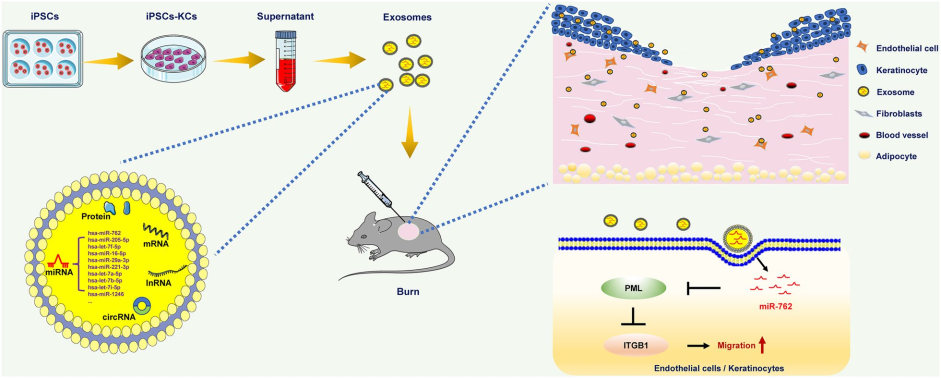 Fig.1 Exosomes from human induced pluripotent stem cells-derived keratinocytes accelerate burn wound healing.1