Glutamine Metabolism Inhibitor Development Service for Cancer Immunotherapy
Background of Glutamine Metabolism Inhibitor Development
Glutamine, which serves as a nitrogen and carbon donor in a variety of biosynthetic processes, is a common amino acid present in blood and muscles. Many tumors, such as pancreatic cancer, ovarian cancer, and breast cancer, heavily rely on glutamine metabolism to promote their growth and survival, highlighting its importance in oncology research. This dependency on glutamine makes it an appealing target for the development of novel cancer immunotherapy.
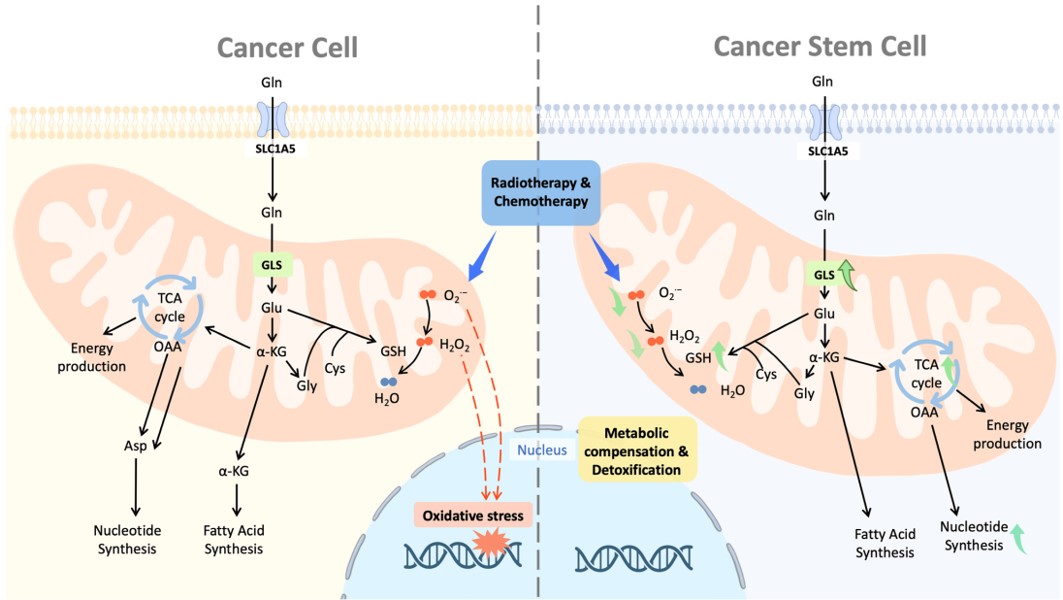 Fig.1 CSCs' metabolic compensation.1
The Functions of Glutamine in Tumor Occurrence
- Serving as a purine and pyrimidine nitrogen donor;
- As a supplier of nitrogen to non-essential amino acids;
- Utilizing glutamine as a carbon donor;
- Glutamine affects the electron transport chain and reactive oxygen species;
- Glutamine is involved in cell signaling;
- Glutamine can inhibit cell apoptosis and induce drug resistance;
- Glutamine metabolism can directly affect the epigenome by regulating α-ketoglutarate levels.
Our Glutamine Metabolism Inhibitor Development Service for Cancer Immunotherapy
Incorporating extensive knowledge of medicinal chemistry and structural biology with accumulated project experience, Creative Biolabs develops a high-quality glutamine inhibitor development service, aiming to generate highly specific cancer immunotherapeutics.
Glutamine metabolism functions a lot in tumor occurrence and development. Through high-throughput screening, we are able to design the optimal inhibitor structures targeting enzymes or molecules involved in this metabolic pathway to ensure both the specificity and affinity of inhibitors to these targets. Simultaneously, we have the capacity to generate different types of inhibitors to enhance their utility based on the unique requirements of each customer. In addition to considering the specificity and affinity of the inhibitor in the development of inhibitors targeting cancer metabolism, the concentration of the intracellular enzyme is also a challenge for effective drug delivery. Our expert research team accurately controls the concentration test to ensure that the best results and solutions are delivered to our customers. We encourage global customers to inquire and place orders.
 Fig.2 Workflow of our glutamine metabolism inhibitor development service.
Strategies for Glutamine Metabolism Inhibitor Development
- Directly targeting the upstream to affect glutamine synthesis, thereby affecting tumor cell metabolism.
- Indirectly targeting some key molecules downstream of glutamine to affect the development of tumor cells.
- Targeting proto-oncogenes and tumor suppressor genes regulates glutamine metabolism
Hot Targets Available at Creative Biolabs
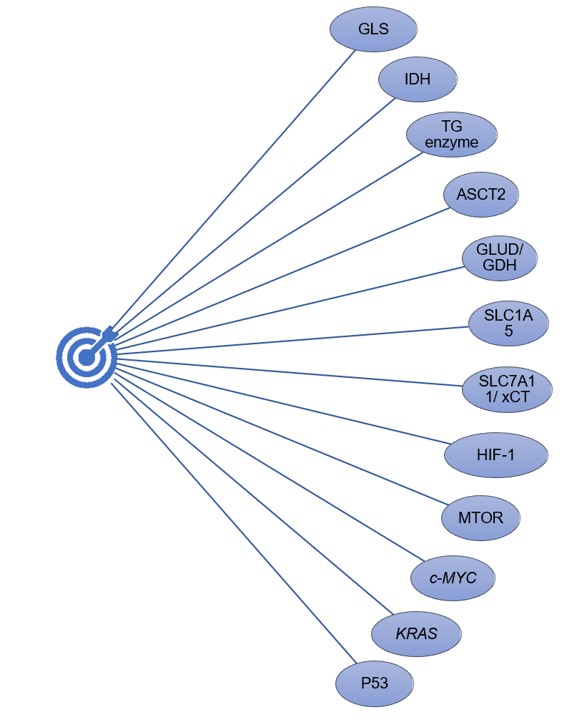 Fig.3 Hot glutamine metabolism inhibitor development targets.
Types for Our Glutamine Metabolism Inhibitor Development
- Allosteric inhibitor
- Glutamine analogues
- Small molecule inhibitors
Frequently Asked Question
Q1: Which compounds hinder glutamine metabolism?
A1: Inhibitors of glutamine metabolism encompass a variety of small molecules that target different points in the glutamine utilization pathway within cells. For instance, some inhibitors act by interfering with the function of key enzymes involved in glutamine metabolism, such as glutaminase, while others may disrupt glutamine transport. These inhibitors can have a significant impact on cancer cells reliant on glutamine for proliferation and survival, potentially curtailing tumor growth and influencing the tumor microenvironment.
For more details about our glutamine metabolism inhibitor development service for cancer immunotherapy, please don't hesitate to reach out to us.
Reference
- Kao, Ting-Wan, et al. "Therapeutic Targeting of Glutaminolysis as a Novel Strategy to Combat Cancer Stem Cells." International journal of molecular sciences 23.23 (2022): 15296. Distributed under Open Access license CC BY 4.0, without modification.
 Download our brochure